
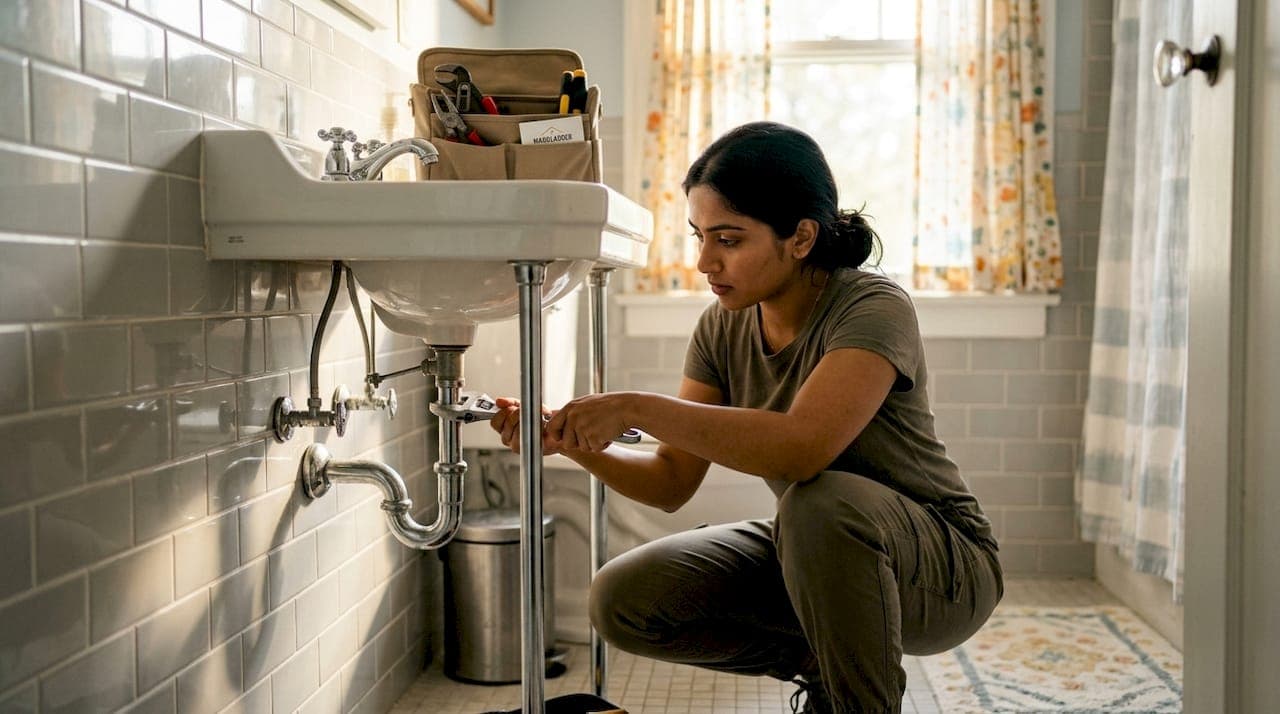
TL;DR:
- Renters can make reversible, inexpensive repairs without violating their lease, protecting their security deposit.
- However, they should avoid complex issues involving electrical, gas, or load-bearing structures that require licensed professionals.
Tenant-friendly repair ideas are simple, affordable fixes renters can make without damaging their rental or violating their lease. The industry term for this category is "non-invasive home repairs," meaning changes that leave no permanent trace. Renters who master even a handful of these techniques protect their security deposit, avoid landlord disputes, and live more comfortably without spending much. DIY homeowners save between $1,000 and $3,000 annually on contractor costs. That number shows how fast a basic skill set pays for itself.
What are tenant-friendly repair ideas?
Tenant-friendly repair ideas meet three criteria: they are reversible, they cost less than a professional call, and they do not require landlord approval under standard lease terms. Reversible means the rental returns to its original condition when you leave. Non-permanent fixes like removable hooks, peel-and-stick wallpaper, and toothpick screw repairs all qualify.
The criteria for selecting a safe repair are straightforward:
- Reversible. The fix can be undone without leaving holes, stains, or residue.
- Cost-effective. The repair costs less than the professional alternative or the landlord's maintenance fee.
- DIY-feasible. You can complete it with a basic toolkit and no licensed trade skills.
- Lease-compliant. The change does not trigger the alteration clause in your rental agreement.
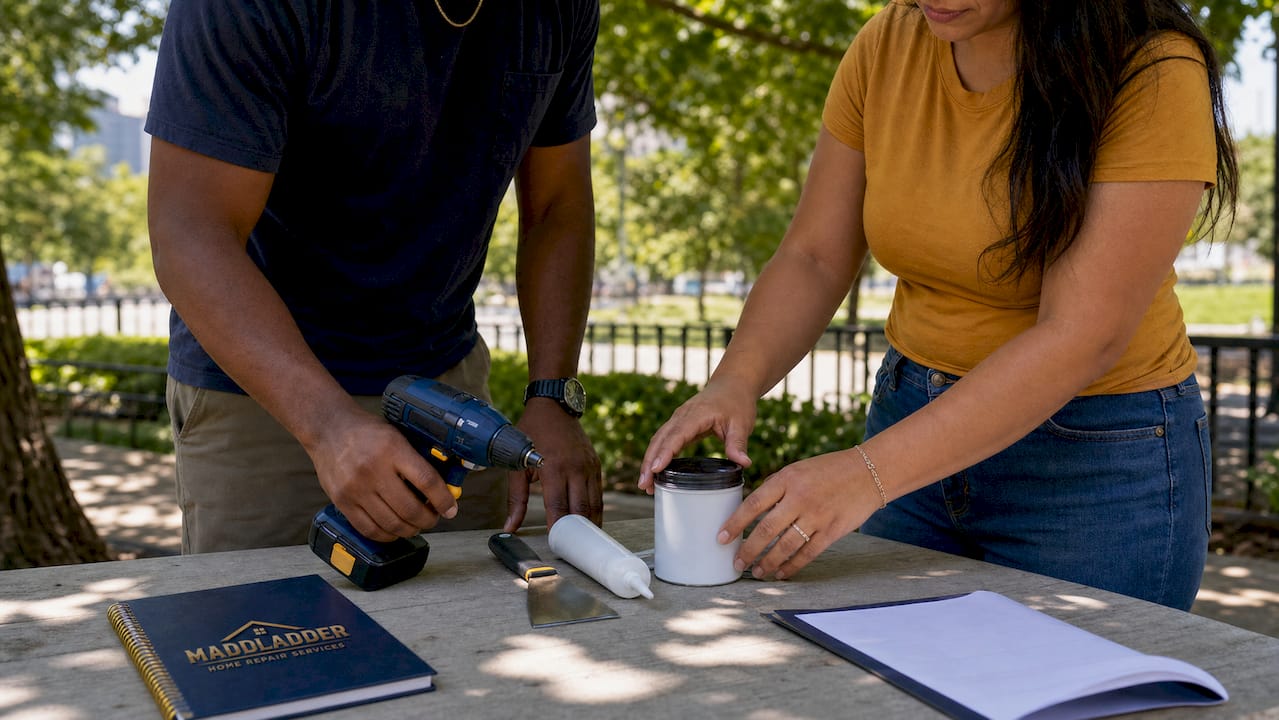
Every renter should own a core toolkit before attempting repairs. A standard set covering patching, tightening, and caulking runs $80–$150 and pays for itself on the first avoided service call. Stock it with a cordless screwdriver, a putty knife, a caulk gun, painter's tape, and a small spackle kit.
Pro Tip: Read your lease's alteration clause before touching anything. Most leases define "alteration" as any permanent change. Removable fixes almost never trigger that clause, but knowing the exact language protects you.
1. Fix a running toilet
A running toilet wastes water and signals a problem your landlord may charge you for if it worsens. The fix is almost always a worn flapper, which costs $5–$10 at any hardware store. Turn off the water supply valve behind the toilet, swap the flapper, and turn the water back on. The whole job takes under 15 minutes. Renters performing basic plumbing repairs save a median of $160–$195 per repair compared to hiring a professional.
2. Clear a slow sink drain
Slow drains are the most common rental complaint. Before calling anyone, try a combination of baking soda and white vinegar followed by boiling water. If that fails, a $10 drain snake clears most hair and soap clogs in minutes. Avoid chemical drain cleaners. They can corrode older pipes and create a bigger problem than the one you started with.
Pro Tip: Pull the stopper out of bathroom sinks monthly and rinse off the buildup. This one habit prevents most slow-drain calls entirely.
3. Patch nail holes in walls
Small nail holes are the most common cause of deposit deductions. A tube of lightweight spackle, a putty knife, and fine-grit sandpaper fix them in under five minutes per hole. Apply a thin layer, let it dry, sand it smooth, and touch up with matching paint if you kept the original can. For holes larger than a pencil eraser, check out these drywall repair tips before attempting a patch on your own.
4. Tighten loose cabinet hardware
Loose cabinet pulls and drawer handles are a minor annoyance that becomes a deposit issue if a pull tears out and damages the cabinet face. Tightening takes 30 seconds with a screwdriver. If the screw spins without catching, the hole is stripped. Insert a wooden toothpick coated in wood glue into the hole, let it dry, then re-drive the screw. No special hardware needed, and the fix holds as well as the original. Early intervention on small issues like this prevents larger landlord charges at move-out.
5. Stop a squeaky door hinge
A squeaky hinge is a five-second fix. Remove the hinge pin, coat it with petroleum jelly or a drop of cooking oil, and replace it. If the door sticks or drags, check whether the hinge screws are loose before assuming the door frame has shifted. Tightening the screws solves the drag in most cases without touching the frame.
6. Use removable decor upgrades
Peel-and-stick wallpaper, removable backsplash tiles, and adhesive shower caddies transform a rental without a single nail. These products cost under $80 and install quickly without landlord approval, as long as they are fully removable. The key word is "fully." Test a small corner before covering an entire wall. Some adhesives bond more aggressively to flat paint than to eggshell or semigloss, and the difference matters at move-out.
Cabinet hardware swaps are another strong option. Swap the existing pulls for ones you prefer, store the originals in a labeled bag, and reinstall them before you move out. For more ideas on reversible kitchen upgrades, the options go further than most renters realize.
7. Hang items with adhesive hooks correctly
Adhesive hooks are only deposit-safe when removed correctly. Pull the tab parallel to the wall slowly rather than pulling the hook straight out. Pulling outward tears the paint. Pulling parallel stretches the adhesive away from the surface cleanly. Incorrect removal is the main cause of deposit damage claims from renters using adhesive hooks. Follow the manufacturer's weight limit too. Overloading a hook causes it to fail suddenly and take a chunk of drywall with it.
8. Recaulk around tubs and sinks
Old, cracked caulk looks dirty and lets moisture into the wall. Removing it takes a utility knife and a caulk removal tool. Applying new caulk takes a $6 tube and a steady hand. This repair costs under $15 and prevents mold, which is far more expensive to remediate. Smooth the bead with a wet finger before it sets for a clean finish.
9. Replace a faucet aerator
A faucet that sprays unevenly or has low pressure usually has a clogged aerator. Unscrew the small screen at the tip of the faucet by hand or with pliers wrapped in a cloth to avoid scratching the finish. Soak it in white vinegar for 30 minutes, rinse it, and reinstall. If the aerator is beyond saving, a replacement costs $3–$8. This qualifies as routine maintenance under most leases, not an alteration. For more minor plumbing fixes that renters can handle themselves, the savings add up fast.
10. Protect your deposit with documentation
Timestamped photos before any repair are the best defense against unjustified deposit charges. Photograph the area before you touch it, after you finish, and again when you move out. Store the images in a cloud folder with the date in the file name. This record proves the condition you found and the condition you left.
"Landlords often approve non-standard modifications if asked in writing, especially from reliable tenants. Always verify lease alteration clauses before starting any modifications." Urbaki
Proactive communication works in your favor. Landlords frequently approve modifications when tenants ask in writing and explain the reversible nature of the change. A short email costs nothing and creates a paper trail that protects both parties.
11. Build a repair-first habit
The Repair-First Checklist is a behavioral strategy that encourages renters to wait 24 hours before calling a professional. That pause creates space to search for a simple fix. Most minor issues, from a tripped GFCI outlet to a sticky drawer, have a free or near-free solution. Developing this habit is one of the most cost-effective repair ideas available to any renter.
A good home maintenance checklist reinforces this habit by scheduling small checks before they become problems. Monthly walkthroughs of your unit catch loose hardware, slow drains, and worn caulk before they escalate.
12. Know when to stop and call a pro
Some repairs cross the line from tenant-friendly to lease-violating or genuinely dangerous. Anything involving the electrical panel, gas lines, load-bearing walls, or major plumbing supply lines belongs to a licensed professional. Attempting these repairs without a license can void your renter's insurance, trigger lease termination, and create safety hazards. The common handyman fixes a tenant can safely handle are extensive, but knowing the boundary is just as important as knowing the techniques.
For renters who want non-invasive room-by-room upgrades that go beyond basic repairs, there are well-documented approaches that preserve both the property and the lease relationship.
Essential toolkit for renters
| Tool | Approximate cost | Primary use |
|---|---|---|
| Cordless screwdriver | $25–$40 | Tightening hardware, assembling furniture |
| Spackle kit and putty knife | $8–$15 | Patching nail holes and small wall damage |
| Caulk gun and caulk tube | $10–$18 | Sealing tubs, sinks, and window gaps |
| Drain snake (hand-held) | $10–$20 | Clearing hair and soap clogs |
| Painter's tape | $5–$8 | Protecting surfaces during any repair |
Pro Tip: Buy a small container of touch-up paint in the rental's wall color at move-in if the landlord offers it. That paint makes patched nail holes invisible and saves the cost of repainting an entire wall.
Key takeaways
The most effective tenant-friendly repair ideas are reversible, cost under $20, and require no landlord approval under standard lease terms.
| Point | Details |
|---|---|
| Reversibility is the core rule | Any fix that leaves no permanent trace qualifies as tenant-friendly and protects your deposit. |
| DIY plumbing saves real money | Basic fixes like flapper replacements save a median of $160–$195 compared to professional calls. |
| Document before you touch anything | Timestamped photos before and after every repair are your best defense at move-out. |
| Ask landlords in writing | Written requests for modifications often get approved and create a protective paper trail. |
| Know your limits | Electrical, gas, and structural repairs belong to licensed professionals, not tenants. |
What I've learned from years of rental repairs
The advice most renters never hear is this: your landlord is not your adversary. The tenants who get their full deposit back are almost always the ones who communicated early, fixed small things promptly, and documented everything. I have seen renters lose hundreds of dollars over a handful of nail holes that would have cost $4 and 20 minutes to patch.
The other thing I have noticed is that renters dramatically underestimate their own ability. A running toilet, a squeaky hinge, a clogged drain. These are not skilled trades work. They are 10-minute jobs that YouTube can walk you through in real time. The $80 toolkit pays for itself the first time you avoid a $195 service call.
That said, I want to be direct about one thing. The line between a tenant-friendly fix and a lease violation is real. I have watched tenants attempt electrical work, move plumbing, and remove load-bearing shelving because they felt confident after a few successful small repairs. Confidence is good. Overconfidence in a rental is expensive. Build your skills on the reversible, low-stakes fixes first. Let that experience teach you where your actual limits are before you push them.
The renters who thrive in their spaces are the ones who treat the unit with the same care they would give their own home, because in every practical sense, it is.
— Jennifer
Maddladder handles what you should not do yourself
Tenant-friendly repairs cover a lot of ground, but some jobs genuinely need a licensed professional. Maddladder serves the Kansas City metro area with dependable handyman services built for exactly this situation.

Whether you need a minor plumbing or electrical repair handled safely, a drywall patch done right before move-out, or a smart home upgrade installed without damaging your rental, Maddladder offers free estimates and flexible pricing starting at $75/hour. You get professional results without the risk of a lease violation or a botched repair. Contact Maddladder for a free estimate and handle the hard jobs with confidence.
FAQ
What repairs can a tenant legally do without landlord permission?
Tenants can generally make reversible, non-invasive repairs such as patching nail holes, tightening hardware, replacing faucet aerators, and clearing drain clogs without landlord approval. Always check your lease's alteration clause to confirm what qualifies as a permitted minor repair.
How do I protect my security deposit during DIY repairs?
Document the rental's condition with timestamped photos before and after every repair. This photo record is the most reliable defense against unjustified deposit deductions at move-out.
Are peel-and-stick products safe for rental walls?
Peel-and-stick wallpaper and adhesive tiles are deposit-safe when fully removable and applied to the correct paint finish. Test a small area first, and always follow the manufacturer's removal instructions to avoid lifting paint.
How much can I save by doing basic repairs myself?
Renters who handle basic plumbing repairs themselves save a median of $160–$195 per repair compared to hiring a professional. A full DIY skill set can save $1,000–$3,000 annually on contractor costs.
When should a tenant call a professional instead of DIYing?
Call a professional for anything involving the electrical panel, gas lines, structural elements, or major plumbing supply lines. These repairs require a license, and attempting them without one can void renter's insurance and violate your lease.