
TL;DR:
- Most common handyman repairs involve drywall patching, door adjustments, and minor plumbing fixes, all usually completed within 30–90 minutes. Batching multiple small repairs into one visit can save homeowners 40–60% on costs, making preventive maintenance financially smart. DIY is safe for simple tasks like paint touch-ups and faucet replacements, while complex or high-risk repairs should be handled by licensed professionals.
Common handyman fixes are small-to-medium household repairs like drywall patching, door adjustments, faucet replacements, and minor electrical work that most homes need regularly. These tasks typically take 30–90 minutes each and cost between $60 and $500 depending on complexity and your location. Knowing which repairs you can handle yourself and which ones need a licensed pro saves you time, money, and frustration. This guide covers the most frequent fixes, realistic cost and time estimates, and a clear DIY versus professional breakdown so you can make smart decisions about your home.
1. What are the most common handyman fixes homeowners face?
Drywall repair, door adjustments, and minor fixture installations are the most requested handyman tasks in 2026. These three categories alone cover the majority of what homeowners call about. Understanding each one helps you plan repairs before small problems become expensive ones.
Drywall patching covers holes from doorknobs, nail pops, and accidental damage. A standard patch job costs $75–$115 and takes under an hour with spackling paste, a putty knife, and sandpaper. You can patch holes in walls yourself if the damage is smaller than a fist.
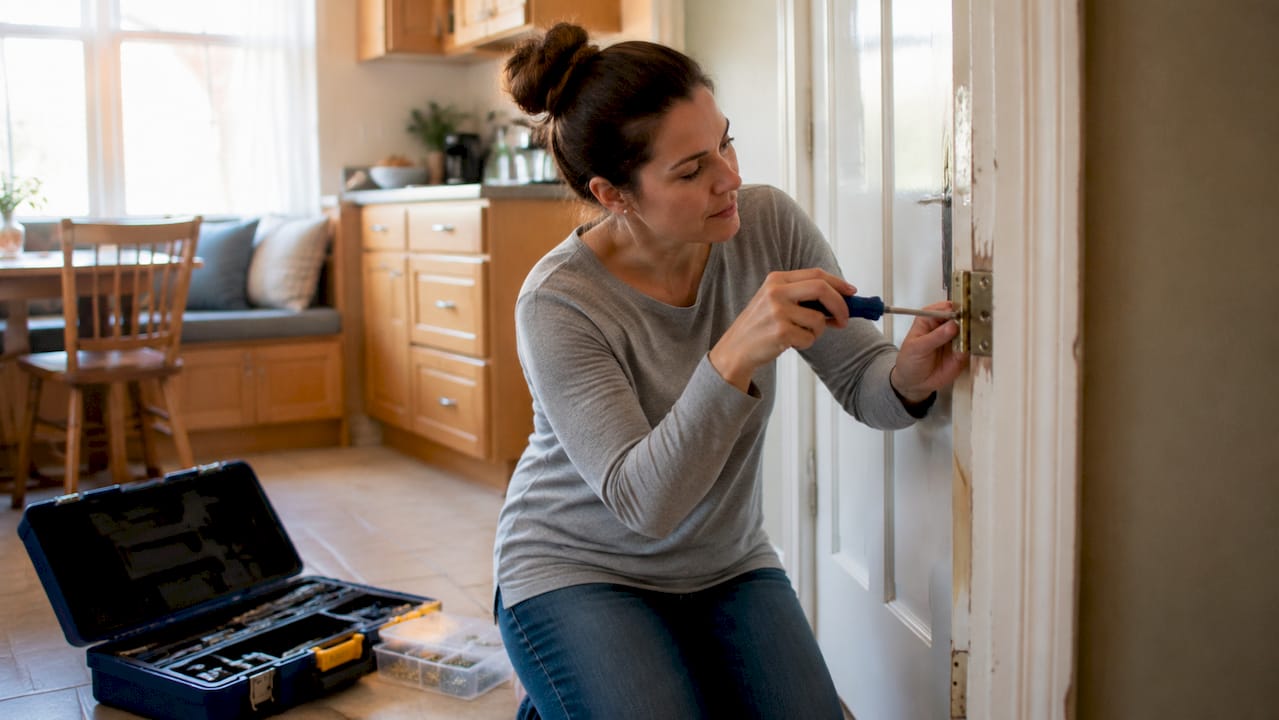
Door adjustments fix sticking doors, loose hinges, and latches that no longer catch. Door sticking is often caused by humidity-driven wood expansion, not a broken door. Tightening hinge screws or planing the edge solves most cases without replacement.
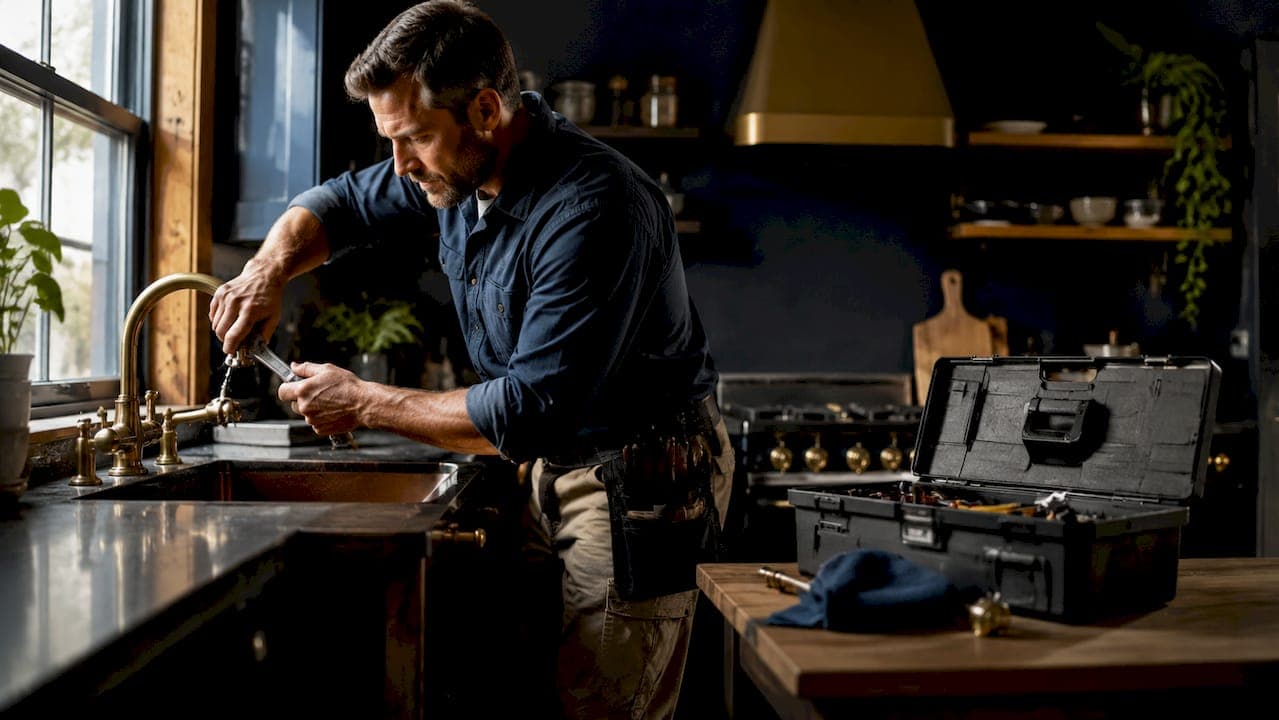
Plumbing fixture repairs include leaking faucets, running toilets, and slow drains. A dripping faucet wastes thousands of gallons per year and usually needs only a cartridge swap. Running toilets often just need a new flapper, which costs under $10 at any hardware store.
Ceiling fan and light fixture swaps are among the most requested electrical handyman tasks. A standard ceiling fan installation runs $90–$140 and takes about an hour. Always shut off the circuit breaker before touching any wiring.
Cabinet hardware repairs cover loose hinges, broken drawer slides, and misaligned doors. These are fast fixes that make a kitchen or bathroom feel new again without a full renovation.
Painting touch-ups address scuffs, chips, and wall damage after furniture moves or repairs. Matching paint sheen matters as much as color. Flat paint on a satin wall will show the patch even if the color is perfect.
Gutter cleaning and basic outdoor maintenance prevent water damage to your foundation and siding. Clogged gutters are one of the most overlooked causes of interior water damage.
Pro Tip: Tackle gutter cleaning every fall and spring. A clogged downspout can redirect water straight into your basement wall.
2. How long do common repairs take, and what do they cost?
Realistic time and cost expectations prevent surprises on your repair bill. The table below covers the most frequent tasks based on 2026 handyman pricing data.
| Repair Task | Typical Time | Average Cost |
|---|---|---|
| Drywall patch (small) | 45–60 min | $75–$115 |
| Ceiling fan installation | 60–90 min | $90–$140 |
| Faucet replacement | 45–75 min | $80–$150 |
| Running toilet repair | 30–45 min | $60–$100 |
| Door adjustment | 20–45 min | $60–$90 |
| Cabinet hardware fix | 15–30 min | $60–$80 |
| Painting touch-up | 30–60 min | $65–$120 |
These figures reflect labor only. Materials like faucets, fans, or paint are typically homeowner-provided, so factor those costs in separately.
Batching multiple tasks into one handyman visit saves 40–60% compared to booking separate appointments. A 4-hour visit can address 5–8 tasks for $200–$340 total, versus $600–$1,200 if each job is booked individually. That math alone makes batching the smartest move for any homeowner with a growing to-do list.
Pro Tip: Write down every small repair you've been putting off before scheduling a handyman visit. Grouping them into one appointment is the single best way to cut your total repair cost.
3. Which fixes can you safely DIY, and when should you call a pro?
The line between DIY and professional work comes down to two factors: safety risk and skill level. Non-structural, non-specialized tasks are generally safe for homeowners to attempt. Anything involving live wiring, load-bearing structures, or main water lines belongs with a licensed professional.
Beginner-friendly DIY repairs
- Faucet cartridge replacement (shut off the water supply valve first)
- Paint touch-ups and wall scuff repairs
- Lubricating squeaky door hinges with WD-40 or 3-IN-ONE oil
- Replacing a toilet flapper
- Tightening loose cabinet hinges and drawer pulls
- Swapping out light switch covers and outlet plates
Beginner repairs like these typically take under 60–90 minutes and require only basic tools. The key rule: always shut off power or water before starting any repair involving those systems.
When to call a licensed professional
- Electrical wiring upgrades or panel work
- Burnt wiring or water near electrical panels require immediate professional intervention
- Structural cracks in walls or foundations
- Major plumbing reroutes or pipe replacements
- Gas line repairs of any kind
One mistake homeowners make is fixing the symptom without diagnosing the cause. A door that sticks every summer is a humidity problem, not a hinge problem. Diagnosing the root cause before picking up a tool prevents you from masking a bigger issue. Check the Maddladder guide on DIY versus hiring a pro if you're unsure which category your repair falls into.
4. Essential tools and materials for household repairs
Having the right tools on hand before you start a repair cuts your time in half and prevents mid-project hardware store runs. Handymen typically bring their own tools, but materials like faucets, paint, and replacement hardware are usually homeowner-provided. Clarifying this upfront avoids delays and unexpected costs during the visit.
Core tools every homeowner should own
- Cordless drill and driver bits: handles screws, anchors, and assembly tasks
- Level: keeps shelves, fixtures, and frames straight
- Caulk gun: seals gaps around tubs, windows, and baseboards
- Screwdriver set: flathead and Phillips in multiple sizes
- Adjustable pliers and channel-lock pliers: covers most plumbing connections
- Utility knife: drywall scoring, caulk removal, and general cutting
- Stud finder: locates framing before drilling into walls
Common materials to keep stocked
- Spackling paste and sandpaper for drywall touch-ups
- Painter's tape and touch-up paint matched to your wall color
- Replacement faucet cartridges and toilet flappers
- Assorted screws, wall anchors, and cabinet hinges
- Silicone caulk for bathrooms and exterior gaps
Misunderstandings about material responsibilities are one of the top causes of handyman visit delays. If you're hiring out, confirm before the appointment whether the technician supplies materials or whether you need to purchase them. The Maddladder guide on preparing for a handyman visit walks through exactly what to have ready.
5. How proactive maintenance prevents bigger repairs
Reactive repairs cost significantly more than preventive care spread across the year. A $15 dryer vent cleaning prevents a $400 repair and a potential fire hazard. A $5 tube of caulk around your tub prevents water damage that can run into the thousands.
A monthly or seasonal maintenance schedule is the most practical way to stay ahead of problems. Replace HVAC air filters every 1–3 months to maintain air quality and system efficiency. Check caulk around tubs, showers, and windows each spring. Clean gutters in fall and spring. Test smoke and carbon monoxide detectors twice a year.
The range of skills a handyman brings across multiple trades means one visit can cover plumbing, carpentry, and electrical tasks together. That versatility is the core value of hiring a handyman over calling three separate specialists. Use a seasonal maintenance checklist to plan your repair batches by season and avoid emergency calls.
For HVAC-specific seasonal prep, the homeowners HVAC maintenance checklist from Amazon Air Pro covers filter schedules, coil cleaning, and seasonal startup steps in detail.
Pro Tip: Set a recurring calendar reminder for the first weekend of each season. A 30-minute walkthrough of your home catches 80% of issues before they become urgent.
Key takeaways
The most cost-effective approach to home repairs is batching small fixes into one handyman visit and addressing issues early before they escalate.
| Point | Details |
|---|---|
| Batch repairs to save money | A single 4-hour visit covering 5–8 tasks costs 40–60% less than separate appointments. |
| Know your DIY limits | Handle faucet swaps and paint touch-ups yourself; leave wiring and structural work to licensed pros. |
| Diagnose before you fix | Identify the root cause first to avoid masking a bigger problem with a surface repair. |
| Clarify materials upfront | Confirm who supplies parts before a handyman visit to prevent delays and added costs. |
| Maintain on a schedule | Monthly and seasonal maintenance prevents small issues from becoming expensive emergencies. |
Why I stopped waiting until things broke
I used to think calling a handyman was something you did only when something failed completely. A door that wouldn't close, a faucet that flooded the cabinet. That reactive mindset cost me more money than I care to admit.
The shift happened when I started treating home maintenance like car maintenance. You don't wait for your engine to seize before changing the oil. The same logic applies to caulk, gutters, and door hardware. Catching a loose hinge before it strips the screw hole takes five minutes. Repairing a stripped hole takes an hour and a trip to the hardware store.
The other misconception I see constantly is homeowners overestimating DIY risk on simple tasks and underestimating it on dangerous ones. People hesitate to swap a faucet cartridge but will happily poke around a breaker panel. The actual risk profile is the opposite. Plumbing fixture swaps are forgiving. Electrical work with visible burn marks or near water is not.
Batching is the single most underused strategy I know. Most homeowners have five to ten small repairs sitting undone at any given time. Grouping them into one appointment with a skilled handyman cuts the total cost dramatically and gets your home back in shape in an afternoon. The preventive maintenance mindset is not about being obsessive. It's about spending $50 now instead of $500 later.
— Jennifer
Get your home repairs handled by Maddladder
Maddladder serves homeowners and property managers across the Kansas City metro area with licensed, dependable handyman services covering everything from drywall and cabinet repairs to minor plumbing and electrical fixes. One call schedules a visit where a skilled technician handles multiple repairs in a single appointment, saving you time and cutting your total cost.

Free estimates are available, and all repair and replacement services are backed by Maddladder's commitment to quality work and quick response times. Whether you have one urgent fix or a list of deferred maintenance tasks, Maddladder makes it straightforward to get your home back in shape without the hassle of coordinating multiple contractors.
FAQ
What are the most common handyman fixes in a home?
Drywall patching, door adjustments, leaking faucet repairs, running toilet fixes, and ceiling fan installations are the most frequently requested handyman tasks. Most cost between $60 and $150 in labor and take under 90 minutes each.
How much does a typical handyman repair cost?
Most common repairs range from $60 to $500 depending on task complexity and location. Batching multiple repairs into one visit cuts total costs by 40–60% compared to booking each job separately.
Can I fix a leaky faucet myself?
Yes. Replacing a faucet cartridge is a beginner-friendly repair that takes under an hour. Shut off the water supply valve under the sink first, then swap the cartridge following the manufacturer's instructions.
When should I call a pro instead of DIYing a repair?
Call a licensed professional for electrical wiring upgrades, any work near a breaker panel, structural wall cracks, and major plumbing reroutes. Attempting these without expertise risks injury and building code violations.
How do I get the most value from a handyman visit?
Write down every pending repair before scheduling and group them into one appointment. A 4-hour visit covering 5–8 tasks costs far less than booking each repair individually.