
Many homeowners still rely on outdated repair methods that quietly drain budgets and reduce property value. In 2026, the home repair landscape has shifted dramatically toward smart technology integration, energy efficiency, and preventive maintenance strategies that save money while boosting home performance. Understanding these emerging trends equips Kansas City property owners to make informed decisions that protect investments and reduce long-term costs. This guide explores the latest innovations transforming home repair, from intelligent monitoring systems to sustainable materials, helping you prioritize upgrades that deliver measurable returns. You'll discover practical strategies to modernize your maintenance approach and connect with local experts who specialize in these cutting-edge solutions.
Table of Contents
- Key Takeaways
- Emerging smart technology in home repairs
- Energy-efficient repair materials and methods
- Preventive maintenance to minimize costly repairs
- Local service providers and repair cost trends
- Discover expert home repair solutions with MaddLadder
- Frequently asked questions
Key Takeaways
| Point | Details |
|---|---|
| Smart monitoring benefits | Real time data from sensors lets homeowners catch small problems before they become costly emergencies. |
| Energy efficient materials | Modern insulation, windows, and HVAC options cut energy use and reduce operating costs over time. |
| Preventive maintenance savings | Automated scheduling and routine inspections prevent failures that drive emergency repairs, saving money and extending system life. |
| Local Kansas City expertise | Working with area service providers who adopt smart and energy efficient approaches improves outcomes and supports faster repairs. |
Emerging smart technology in home repairs
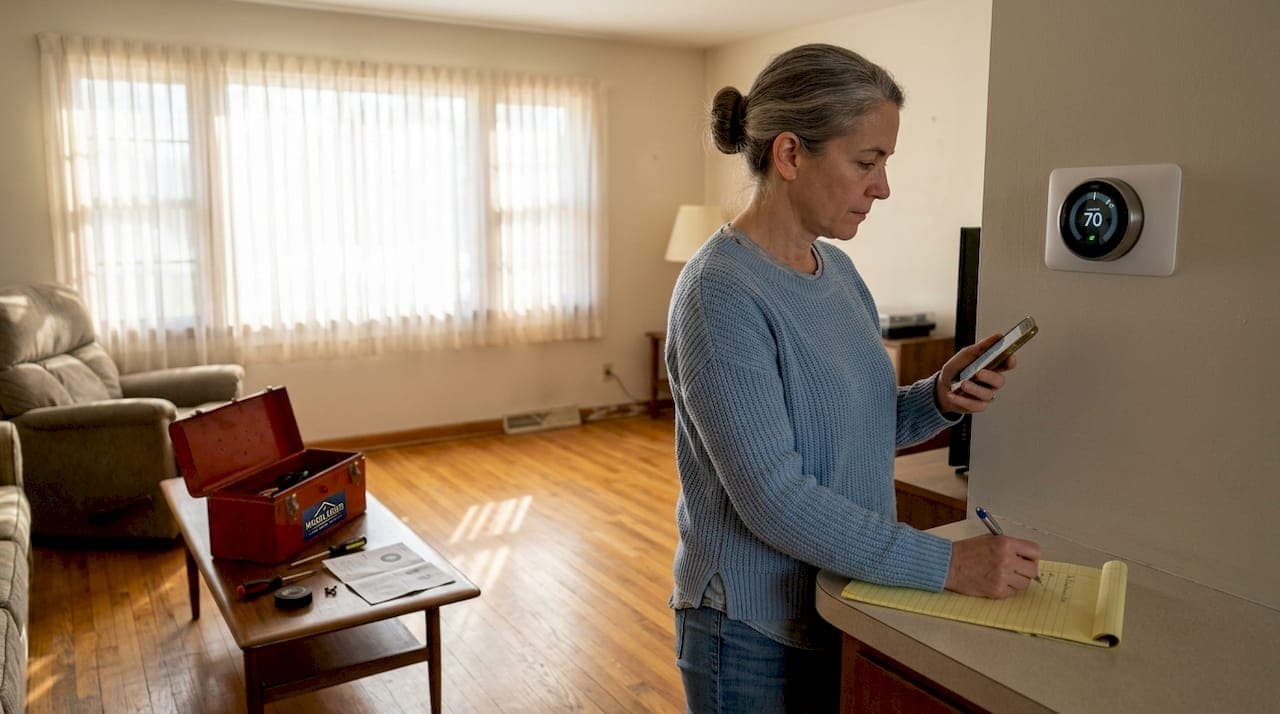
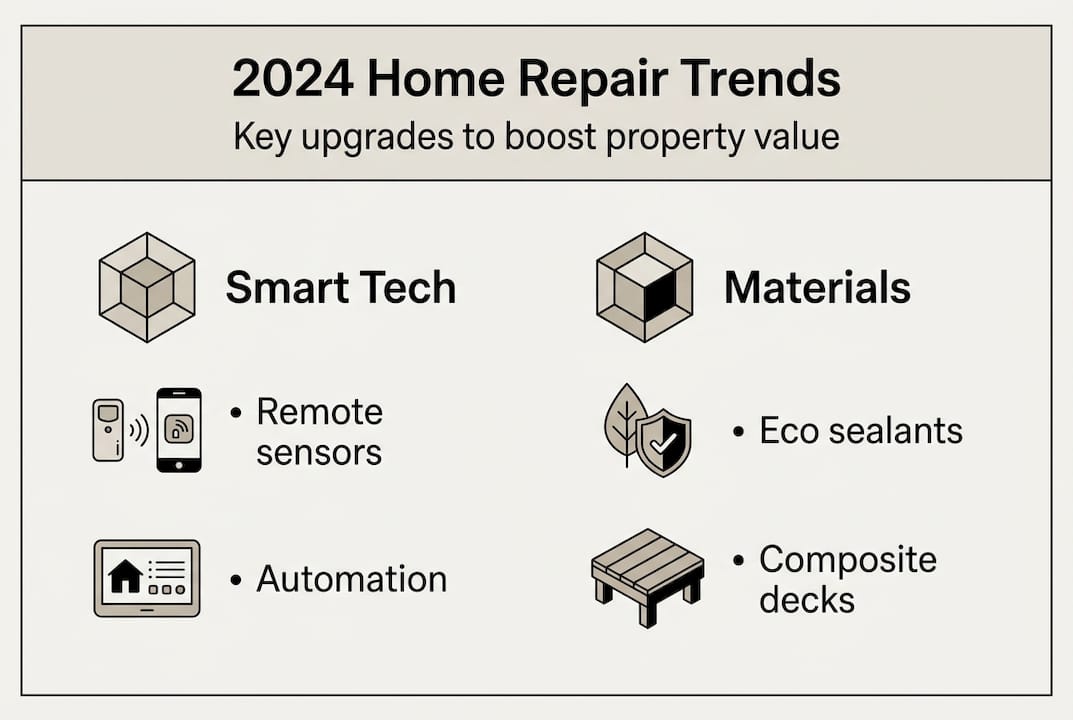
Smart devices and automation are increasingly integrated into home repair and maintenance, fundamentally changing how property owners monitor and address issues. These technologies provide real-time data about your home's condition, allowing you to catch small problems before they escalate into expensive emergencies. Smart sensors now monitor everything from water leaks under sinks to HVAC performance metrics, sending alerts directly to your smartphone when something needs attention.
Remote monitoring capabilities eliminate the need for constant physical inspections. A moisture detector placed in your basement can identify humidity spikes that signal potential water intrusion, giving you days or weeks to address the source before mold develops or structural damage occurs. Similarly, smart HVAC sensors track system efficiency and alert you when filters need changing or components show signs of wear, preventing complete system failures during Kansas City's temperature extremes.
Automation scheduling takes the guesswork out of preventive maintenance. You can program reminders for seasonal tasks like gutter cleaning or furnace inspections, ensuring nothing falls through the cracks. Some advanced systems even coordinate with local service providers to automatically schedule maintenance appointments based on usage patterns and manufacturer recommendations. This proactive approach significantly reduces the likelihood of emergency repairs that cost two to three times more than planned maintenance.
The financial benefits extend beyond avoiding major repairs. Smart thermostats learn your schedule and optimize heating and cooling, reducing energy waste by up to 23% according to usage studies. Water monitoring systems detect small leaks that waste hundreds of gallons monthly, protecting both your water bill and your home's foundation. These technologies pay for themselves within 18 to 24 months through combined savings on utilities and avoided repair costs.
Pro Tip: When installing smart home monitoring devices, prioritize areas most vulnerable to Kansas City weather patterns, like basements prone to flooding during spring storms and attics that experience extreme temperature fluctuations. Focus your initial investment on high-risk zones for maximum protection.
Energy-efficient repair materials and methods
Modern repair materials have evolved dramatically, offering superior performance while reducing environmental impact and operational costs. Traditional insulation, single-pane windows, and standard HVAC systems simply cannot compete with today's energy-efficient alternatives that deliver measurable improvements in comfort and utility savings. Understanding these material differences helps you make informed choices when repairs become necessary.
| Material Category | Traditional Option | Energy-Efficient Alternative | Annual Savings |
|---|---|---|---|
| Wall insulation | Fiberglass R-13 | Spray foam R-21 | $180-$240 |
| Windows | Single-pane aluminum | Low-E double-pane vinyl | $150-$200 |
| HVAC system | 13 SEER standard unit | 18+ SEER variable speed | $320-$450 |
| Water heater | 50-gallon tank | Tankless on-demand | $140-$190 |
| Exterior sealant | Standard caulk | Advanced polymer seal | $60-$90 |
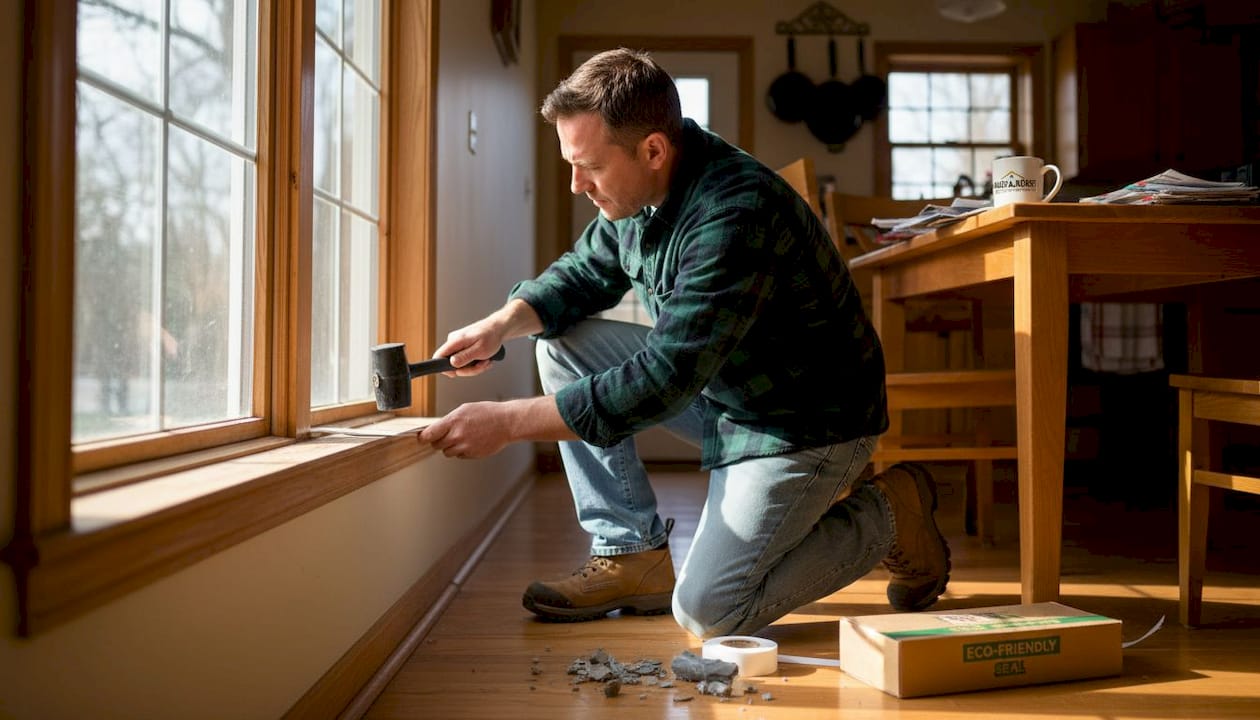
Advanced sealants and weatherstripping materials now last three to five times longer than conventional options while providing superior air barrier performance. These products withstand Kansas City's temperature swings from below zero in winter to above 100 degrees in summer without cracking or losing effectiveness. When properly applied during repairs, they prevent conditioned air from escaping and outdoor air from infiltrating, reducing the workload on your HVAC system and extending its operational life.
Sustainable materials offer additional benefits beyond energy savings. Recycled composite decking requires virtually no maintenance compared to traditional wood that needs annual staining and sealing. Low-VOC paints and finishes improve indoor air quality while providing the same durability as conventional products. These choices align with growing buyer preferences for environmentally responsible homes, potentially increasing resale value by 3% to 5% according to recent real estate analyses.
Proper exterior maintenance protects these investments and enhances their longevity. Regular cleaning removes contaminants that degrade sealants and finishes, while periodic inspections identify areas where weatherproofing has failed. Kansas City's humidity and seasonal precipitation make exterior upkeep particularly important for preventing moisture intrusion that compromises both energy efficiency and structural integrity.
Pro Tip: When selecting contractors for energy-efficient repairs, ask specifically about their experience with green building materials and local climate considerations. A provider familiar with Kansas City's weather patterns will recommend solutions proven to perform well in your specific environment, avoiding costly trial-and-error approaches.
Preventive maintenance to minimize costly repairs
Scheduled inspections and routine upkeep represent the most cost-effective strategy for protecting your home investment. Preventative exterior cleaning and maintenance protects the home and reduces emergency repairs by identifying tiny defects before they develop into major problems. This proactive approach shifts spending from expensive reactive fixes to affordable planned maintenance that extends the life of every home system.
Regular maintenance tasks vary by season but follow predictable patterns that align with Kansas City's climate cycles. Spring brings heavy rainfall requiring gutter cleaning and drainage inspection. Summer heat stresses HVAC systems that benefit from filter changes and refrigerant checks. Fall demands roof inspections before winter weather arrives. Winter freezes threaten pipes that need insulation and heating tape in vulnerable areas. Following this seasonal rhythm prevents the majority of emergency repair calls.
-
Spring maintenance checklist: Clean gutters and downspouts, inspect roof for winter damage, check foundation for cracks, test sump pump operation, service air conditioning before summer heat.
-
Summer maintenance checklist: Trim vegetation away from house exterior, inspect and repair window screens, check attic ventilation, clean outdoor condenser coils, seal driveway cracks before fall.
-
Fall maintenance checklist: Clean gutters again after leaf drop, inspect and clean chimney, check weatherstripping on doors and windows, service heating system, drain and store garden hoses.
-
Winter maintenance checklist: Monitor for ice dams on roof edges, keep vents and registers clear, check for drafts around windows, maintain indoor humidity levels, inspect water heater for leaks or corrosion.
The financial impact of preventive maintenance becomes clear when comparing costs. A routine HVAC tune-up costs $120 to $180 but prevents system failures that require $1,500 to $3,500 in emergency repairs or replacement. Gutter cleaning at $150 to $200 prevents foundation damage costing $5,000 to $15,000 to remediate. These simple maintenance tasks deliver return on investment ratios exceeding 10:1 in avoided repair expenses.
"Homeowners who invest $800 to $1,200 annually in preventive maintenance typically avoid $4,000 to $8,000 in emergency repairs over a five-year period, while also extending the operational life of major systems by 30% to 50%. This approach transforms home ownership from reactive crisis management to predictable, budget-friendly stewardship."
Documenting your maintenance activities provides additional value when selling your property. Buyers pay premium prices for homes with verified maintenance histories, knowing they're purchasing a well-cared-for asset rather than inheriting deferred problems. Keep detailed records of all service appointments, repairs completed, and systems upgraded to demonstrate your commitment to proper home care.
Local service providers and repair cost trends
The Kansas City home repair market has evolved significantly as local providers increasingly offer energy-saving and smart home-focused repair services. This shift reflects both consumer demand for modern solutions and the proven cost-effectiveness of newer technologies and materials. Understanding current pricing trends and service offerings helps you budget appropriately and select providers who deliver genuine value rather than simply the lowest initial quote.
Repair costs have shifted as advanced materials and specialized labor skills become standard. While some modern materials carry higher upfront costs, their extended lifespan and performance benefits typically result in lower total ownership expenses. For example, premium weatherstripping costs 40% more initially but lasts five times longer than basic options, delivering net savings over its lifetime. Similarly, smart thermostats add $150 to $250 to installation costs but recover that investment through energy savings within 18 months.
| Repair Type | Traditional Method Cost | Advanced Method Cost | Long-Term Savings |
|---|---|---|---|
| Attic insulation upgrade | $1,200-$1,600 | $1,800-$2,400 | $200-$280 annually |
| Window replacement (10 windows) | $3,500-$5,000 | $5,500-$7,500 | $180-$240 annually |
| HVAC system replacement | $4,500-$6,500 | $6,500-$9,000 | $350-$480 annually |
| Water heater upgrade | $1,200-$1,800 | $2,000-$3,200 | $150-$200 annually |
| Exterior door replacement | $800-$1,200 | $1,400-$2,000 | $80-$120 annually |
Selecting the right service provider requires evaluating factors beyond hourly rates or project bids. Look for contractors who offer comprehensive warranties on both materials and labor, demonstrating confidence in their work quality. Ask about their experience with energy-efficient installations and smart home technology integration. Verify licensing and insurance coverage to protect yourself from liability if accidents occur during repairs. Check online reviews and request references from recent customers whose projects resembled yours in scope and complexity.
Negotiating repair and maintenance contracts effectively requires understanding market dynamics and provider incentives:
- Request itemized quotes that separate materials, labor, and markup so you can compare proposals accurately across different providers.
- Bundle multiple repairs into single contracts to leverage volume discounts that can reduce total costs by 10% to 15%.
- Schedule non-emergency work during off-peak seasons when contractors offer better rates to fill their calendars.
- Consider annual maintenance agreements that include regular inspections and priority scheduling at reduced hourly rates.
- Ask about payment terms and whether providers offer financing options for larger projects that improve home efficiency.
- Verify warranty coverage details including duration, what's covered, and the process for claiming warranty service if issues arise.
The growing availability of subscription-based maintenance plans represents another trend worth considering. These programs provide scheduled inspections and routine upkeep for fixed monthly fees, making budgeting predictable while ensuring nothing gets overlooked. Plans typically include priority scheduling and discounted rates on repairs beyond routine maintenance, offering value for property managers and homeowners who prefer hands-off approaches to home care.
Discover expert home repair solutions with MaddLadder
Implementing the latest home repair trends requires partnering with experienced professionals who understand both the technology and your local environment. MaddLadder connects Kansas City homeowners with trusted experts specializing in smart home integration, energy-efficient upgrades, and comprehensive preventive maintenance programs. Our network of licensed professionals brings the innovations discussed throughout this guide directly to your property, transforming concepts into tangible improvements that boost value and reduce costs.

Whether you need smart thermostat installation, energy-efficient window upgrades, or a customized maintenance schedule aligned with Kansas City's seasonal demands, MaddLadder's service offerings provide the expertise and reliability you deserve. Our flexible pricing options accommodate both one-time projects and ongoing maintenance relationships, ensuring you receive exactly the support your property requires. Explore our comprehensive services today and discover how professional guidance simplifies the process of modernizing your home repair approach while maximizing your return on investment.
Frequently asked questions
What are the most important home repair trends for 2026?
Smart home integration, energy-efficient materials, and preventive maintenance programs represent the three most impactful trends. These approaches reduce emergency repairs, lower utility costs, and extend system lifespans significantly. Kansas City homeowners benefit particularly from moisture monitoring and HVAC optimization given local climate challenges.
How can smart technology reduce home repair costs?
Real-time monitoring detects issues like leaks or equipment wear before they cause extensive damage, preventing repairs that cost thousands. Automated scheduling ensures maintenance happens on time rather than being forgotten until systems fail. Early detection typically reduces repair expenses by 40% to 60% compared to waiting until problems become obvious.
Are energy-efficient repairs worth the investment?
Upfront costs are typically offset by energy savings within two to four years, after which you enjoy pure profit from reduced utility bills. Kansas City's temperature extremes make efficiency upgrades particularly valuable, delivering year-round benefits. Properties with documented efficiency improvements also command premium prices when sold, recovering investment through increased home value.
What maintenance tasks should Kansas City homeowners prioritize?
Gutter cleaning, HVAC tune-ups, exterior crack sealing, and moisture prevention top the priority list for local conditions. Spring and fall represent critical times for inspections given seasonal weather transitions. Scheduling these tasks proactively prevents the majority of emergency repairs that occur when homeowners take reactive approaches to maintenance.
How do I choose a repair contractor for modern upgrades?
Verify licensing and insurance first, then evaluate experience with energy-efficient materials and smart home technology. Request detailed warranties covering both materials and labor for minimum three-year periods. Check recent customer reviews focusing on projects similar to yours, and ask for references you can contact directly about their experiences.