
TL;DR:
- DIY repairs risk insurance voidance, code violations, and tenant dissatisfaction.
- Licensed professionals must handle electrical, plumbing, HVAC, and structural work in Kansas City.
- Investing in professional maintenance improves tenant retention, safety, and long-term property value.
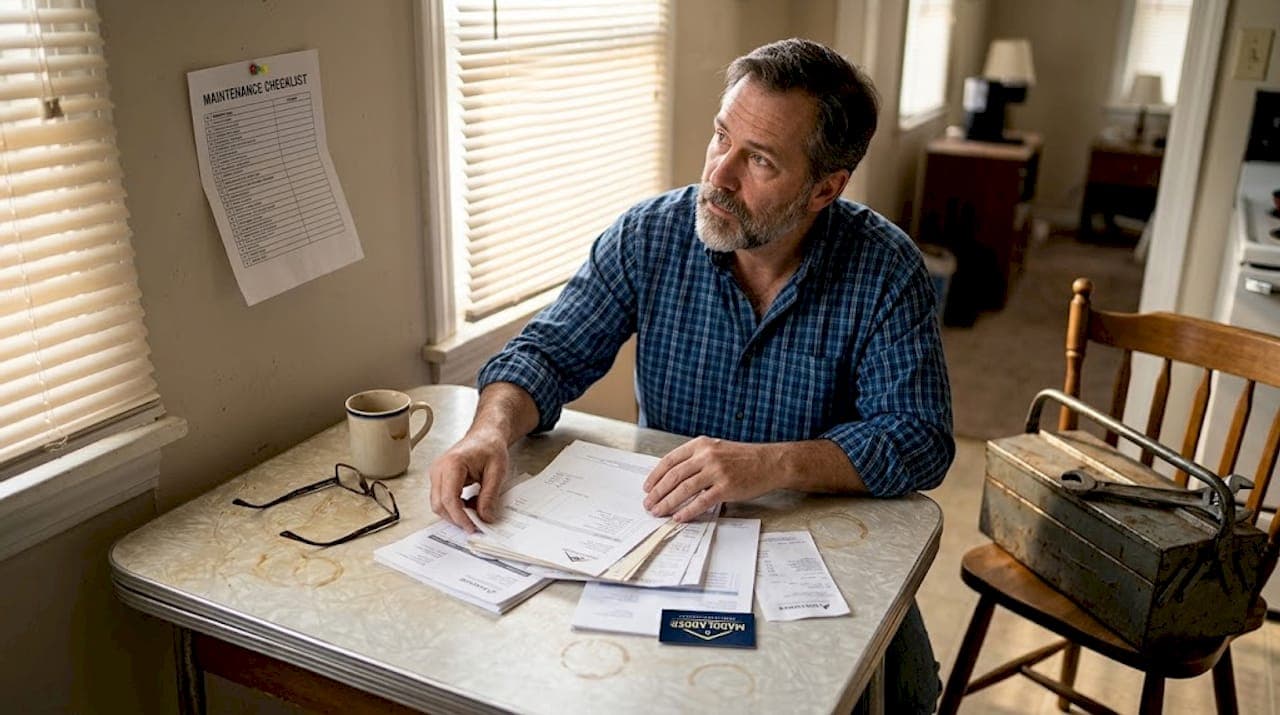
Most Kansas City landlords start out thinking they can save money by handling repairs themselves. It makes sense on paper: skip the labor cost, fix the issue fast, move on. But DIY repairs risk invalidating insurance claims when work doesn't meet professional standards, leaving owners exposed to serious financial losses. Beyond insurance, there are code violations, tenant safety issues, and legal liability to consider. This guide walks you through the real risks of DIY repairs, what Kansas City law requires, how costs actually compare, and when hiring a licensed pro isn't just smart but mandatory.
Table of Contents
- The risks of DIY repairs for Kansas City landlords
- Understanding Kansas City landlord repair laws and codes
- Professional repairs vs. DIY: Costs, quality, and long-term value
- When landlords can (and can't) do repairs themselves
- The uncomfortable truth about rental property repairs most landlords miss
- Professional repair solutions for Kansas City landlords
- Frequently asked questions
Key Takeaways
| Point | Details |
|---|---|
| DIY risks | DIY repairs can void insurance and create costly legal troubles for landlords. |
| Code compliance | Kansas City laws require licensed pros for important repairs like electrical and plumbing. |
| Long-term value | Professional repairs improve tenant satisfaction and increase property value over time. |
| When to DIY | Landlords should limit DIY to simple cosmetic fixes, leaving complex tasks to qualified professionals. |
| Maintenance budgeting | Plan for 1-2% of property value annually for pro maintenance to avoid major expenses. |
The risks of DIY repairs for Kansas City landlords
Let's be honest: most DIY repairs look fine on the surface. A patched wall, a re-caulked tub, a replaced outlet cover. The problem isn't what you can see. It's what happens six months later when a tenant files a complaint, an inspector shows up, or a pipe bursts behind the wall you sealed.
"The real danger of DIY landlord repairs isn't the repair itself. It's the paper trail you don't have when something goes wrong."
Kansas City has active code enforcement, and rental properties are a regular target for inspections. If a repair wasn't done to code, the city can issue violations, require re-inspection fees, and in some cases, order the unit vacated until corrections are made. That's lost rent, legal exposure, and a frustrated tenant all at once.
Here's what typically goes wrong with DIY repairs on rental properties:
- Insurance gaps: Unlicensed repairs can void coverage, meaning a fire or flood traced back to amateur work leaves you paying out of pocket.
- Code violations: Amateur repairs often fail building inspections, creating hazards and eliminating documentation you'd need in a dispute.
- Tenant complaints: Shoddy repairs frustrate tenants and accelerate turnover, which costs far more than the repair itself.
- No warranty: A licensed pro stands behind their work. You don't get that with DIY.
Pro Tip: Always request written documentation from any contractor you hire. This protects you in insurance claims, code disputes, and tenant legal actions.
If you're weighing whether to DIY a specific repair, our DIY guide for Kansas City breaks down what's reasonable to tackle yourself. And for a broader look at why licensing matters, the licensed handymen insights page covers what to look for when hiring.
The bottom line: the short-term savings from DIY rarely survive contact with a real problem. One failed repair can trigger a chain of costs that dwarfs what a professional would have charged.
Understanding Kansas City landlord repair laws and codes
Kansas City landlords operate under both Missouri and Kansas habitability laws, depending on which side of the state line your property sits. Both states require rental units to maintain safe, functioning systems. That means working electrical, reliable plumbing, and adequate heating. These aren't suggestions. They're legal minimums.
Missouri habitability laws require landlords to keep properties in a condition fit for human habitation, with compliant electrical, plumbing, and heating systems. Local Kansas City codes go further, often requiring licensed contractors and pulled permits for major work.
Here's a breakdown of common repairs and their professional requirements:
| Repair type | Licensed pro required? | Permit typically needed? |
|---|---|---|
| Electrical panel or wiring | Yes | Yes |
| HVAC installation or repair | Yes | Yes |
| Plumbing (drain, supply lines) | Yes | Often |
| Structural work (walls, beams) | Yes | Yes |
| Drywall patching | No | No |
| Interior painting | No | No |
| Fixture replacement (faucets) | Recommended | Rarely |
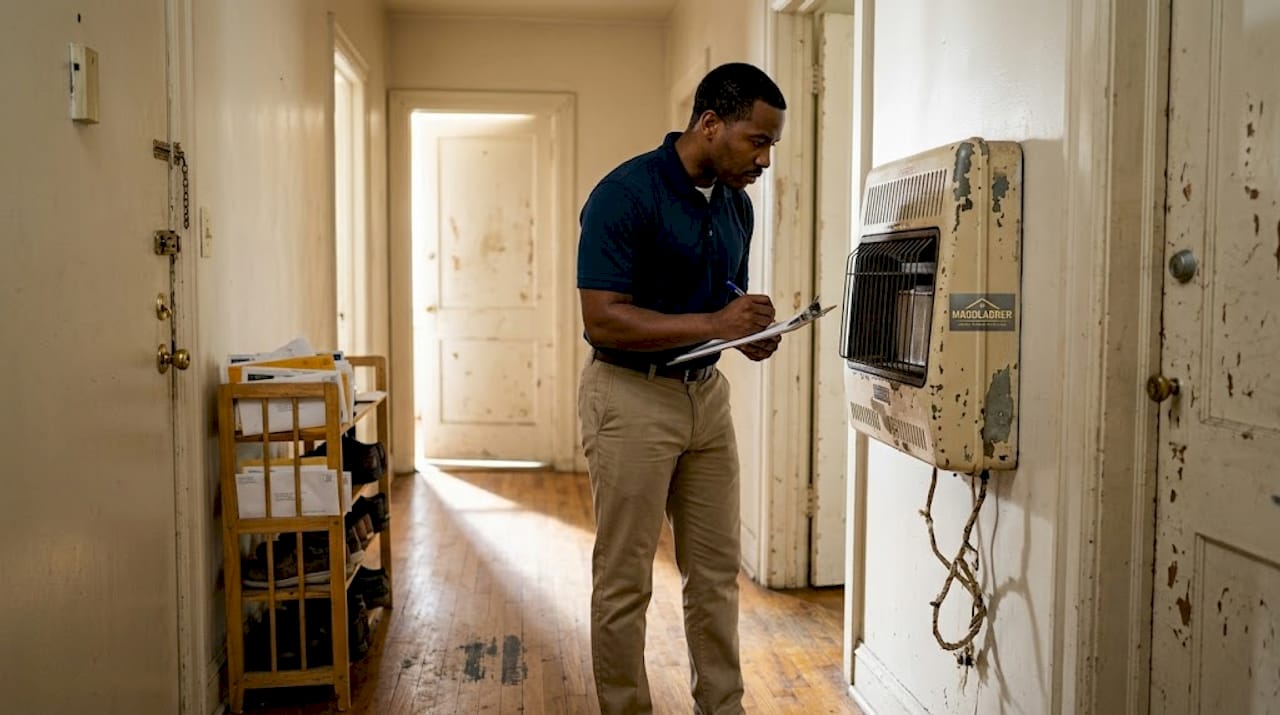
The repairs that legally require a licensed professional in Kansas City include:
- Any electrical work beyond replacing a switch or outlet cover
- HVAC repairs, replacements, or new installations
- Plumbing work involving supply lines, drain systems, or water heaters
- Structural modifications including load-bearing walls
- Gas line work of any kind
Key stat: A significant portion of Kansas City rental property violations stem from unpermitted or unlicensed work done by owners trying to cut costs. These violations don't just result in fines. They can trigger mandatory inspections of the entire property.
For a closer look at what upgrades keep your property compliant and competitive, the KC rental safety upgrades guide covers 2026 standards in detail. If you're managing multiple units and need to stay organized, the repair scheduling guide is worth bookmarking.
Ignoring these requirements isn't a calculated risk. It's a liability waiting to surface at the worst possible time.
Professional repairs vs. DIY: Costs, quality, and long-term value
Here's where landlords often get tripped up. They compare the cost of a professional repair to the cost of materials and assume DIY wins. That math only works if nothing goes wrong. And in rental properties, something always goes wrong eventually.
Professional repairs offer warranties, durable results, tax-deductible costs, and faster tenant satisfaction compared to DIY delays or failures. That last point matters more than most landlords realize. A tenant who waits two weeks for a landlord to "get around to it" is already browsing other listings.
| Factor | DIY repair | Professional repair |
|---|---|---|
| Upfront cost | Lower | Higher |
| Warranty | None | Typically 1 year or more |
| Code compliance | Uncertain | Documented |
| Tax deductibility | Limited | Generally deductible |
| Tenant satisfaction | Variable | Consistent |
| Risk of repeat repair | Higher | Lower |
Consider a real scenario: a landlord in the Waldo neighborhood patches a drywall crack themselves. Six months later, the crack returns because the underlying cause, a settling foundation joint, was never addressed. Now they're paying for drywall repair costs twice, plus a structural assessment. A licensed pro would have flagged the root cause on the first visit.
Key advantages of professional repairs for Kansas City landlords:
- Tax deductions: Repair costs paid to licensed contractors are generally deductible as ordinary business expenses.
- Fewer callbacks: Professionals fix the actual problem, not just the symptom.
- Documented work history: This protects you in tenant disputes and supports property value during sale.
- Emergency response: Licensed pros can mobilize fast when a pipe bursts at 11pm. Your schedule can't always compete.
Routine maintenance handled by professionals also prevents the expensive emergencies that blow up budgets. A $150 HVAC tune-up is a very different conversation than a $4,000 emergency replacement in January.
When landlords can (and can't) do repairs themselves
Not every repair requires a licensed contractor. There's a real category of cosmetic and minor work that landlords can handle legally and safely. The key is knowing exactly where that line sits.
Repairs landlords can generally handle themselves:
- Interior painting and touch-ups
- Minor drywall patching (small holes, nail pops)
- Replacing light fixtures (with power off and no wiring changes)
- Installing new door hardware or cabinet pulls
- Caulking around tubs and sinks
- Replacing toilet seats or shower heads
These are cosmetic tasks with low risk and no permit requirements. They're also the tasks that don't affect tenant safety or building systems.
The line you cannot cross without a licensed pro: gas, electrical, and structural work require licensed contractors regardless of your skill level. This isn't about competence. It's about legal mandate and insurance validity.
The cost of ignoring that line is steep. Frozen pipe claims average over $30,000, while proactive HVAC tune-ups run $90 to $200. That's a 10x cost difference for skipping a routine professional visit. Kansas City winters are not forgiving, and rental properties with older systems are especially vulnerable.
Pro Tip: Schedule a professional walkthrough of each unit every spring and fall. A licensed handyman can catch 10 small issues before any of them become one large emergency.
For landlords looking to add value while staying compliant, tech upgrades add value to your rental without requiring major construction. Smart thermostats, video doorbells, and keypad locks are tenant favorites and can often be installed in under an hour by a professional.
Knowing your limits isn't a weakness. It's the mark of a landlord who keeps properties profitable and tenants happy.
The uncomfortable truth about rental property repairs most landlords miss
Here's what we see repeatedly in Kansas City: landlords who are genuinely skilled, handy, and well-intentioned still sabotage their own properties by trying to do too much themselves. It's not about ability. It's about accountability.
When a licensed professional does the work, there's a record. There's a warranty. There's someone else on the hook if something fails. When you do it yourself, every future problem in that area becomes your liability, even if the new issue is unrelated.
Tenant retention is the metric most landlords undervalue. A tenant who sees fast, professional repairs renews their lease. A tenant who watches their landlord struggle with a repair for two weekends starts looking for a new place. The math on lease renewals versus vacancy costs is not close.
Improving rental safety with licensed work also signals to tenants that you take the property seriously. That perception drives long-term occupancy more than almost any other factor. The landlords we work with who switched to professional maintenance consistently report fewer tenant complaints and better lease renewal rates. That's not a coincidence.
Professional repair solutions for Kansas City landlords
If managing repairs feels like a second job, you're not alone. Kansas City landlords who partner with a reliable, licensed handyman service spend less time on the phone and more time focused on their portfolio.

At MaddLadder, we handle everything from routine maintenance to urgent fixes with full documentation, code compliance, and warranties on our work. Our repair and replacement services cover the full range of landlord needs, and our plumbing and electrical work is performed by licensed professionals who know Kansas City codes inside and out. We offer flexible plans built specifically for property managers, including subscription options that keep your units maintained year-round. Get a free estimate today and see why Kansas City landlords trust MaddLadder to protect their properties.
Frequently asked questions
Are professional repairs for rental properties tax-deductible in Kansas City?
Yes, repair costs are generally deductible as ordinary business expenses, reducing your property's taxable income for the year the work was completed.
What repairs are landlords legally required to hire a professional for in Kansas City?
Electrical, plumbing, HVAC, and structural repairs require licensed professionals under Kansas City code, and most of these jobs also require a pulled permit before work begins.
Can DIY repairs void my landlord insurance?
Yes, unlicensed repairs can void your landlord insurance policy, leaving you personally responsible for any damages that result from or follow that work.
How much should landlords budget for professional property maintenance?
Budget 1 to 2% of the property's value annually for professional maintenance. This benchmark reduces emergencies by roughly 30% and keeps your units consistently rentable.