
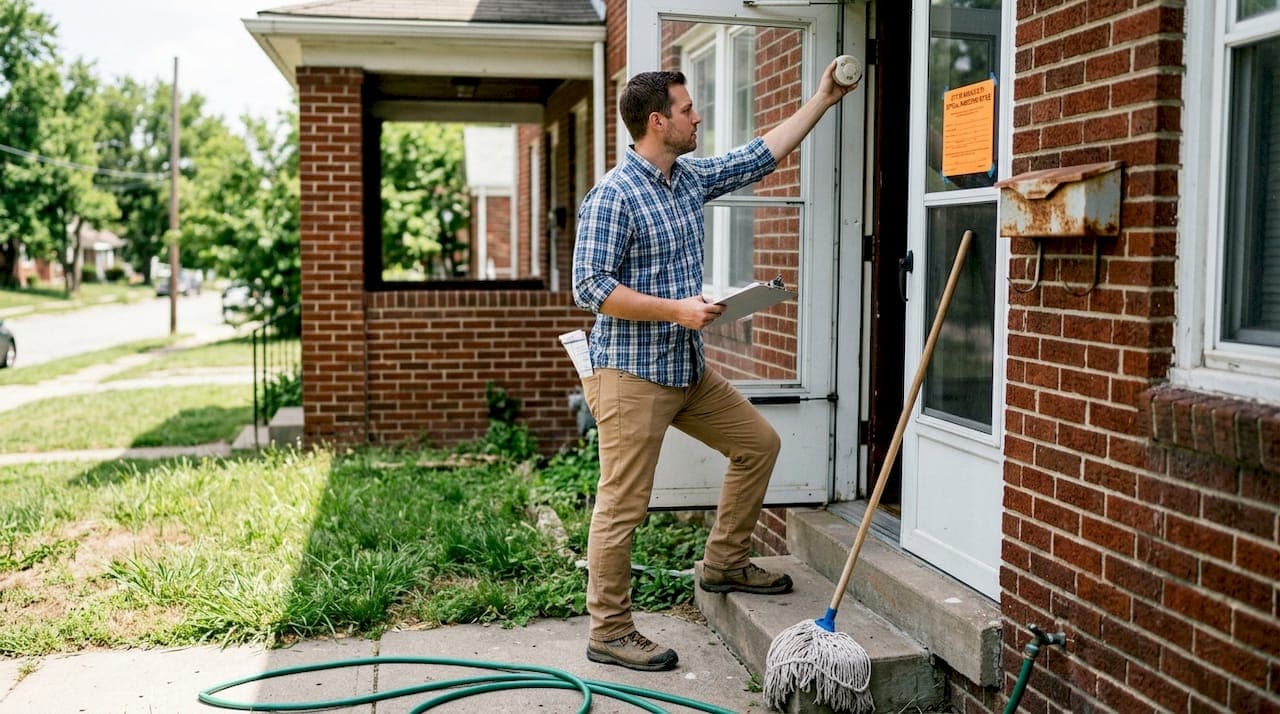
Rental property safety violations are among the top reasons Kansas City landlords face fines, inspection failures, and rental permit suspensions. Whether you manage a single unit or multiple properties, staying ahead of compliance requirements protects your income and keeps tenants safe. This guide walks you through Kansas City's Healthy Homes inspection standards, practical upgrade strategies, and high-ROI safety improvements that reduce violations while increasing property value. You'll learn how to prepare for inspections, prioritize cost-effective upgrades, and maintain ongoing compliance with minimal hassle.
Table of Contents
- Understanding Kansas City's Rental Safety Requirements
- Preparing Your Rental For Safety Inspections And Upgrades
- Executing High-Roi Rental Safety Upgrades
- Verifying Compliance And Maintaining Property Safety
- Explore MaddLadder Services For Rental Property Safety Upgrades
- What Are The Most Common Safety Violations In Kansas City Rental Properties?
Key takeaways
| Point | Details |
|---|---|
| Kansas City enforces strict rental safety standards | The Healthy Homes program requires annual registration, inspections, and compliance with electrical, plumbing, HVAC, and detector standards. |
| Preventive maintenance reduces violations and costs | Properties with strong preventive maintenance programs see 12-18% savings and fewer emergency repairs. |
| Low-cost upgrades deliver fast payback | Smart thermostats, locks, and detectors pay back within 5-12 months through rent increases and reduced maintenance calls. |
| Proactive compliance prevents fines | Addressing violations promptly avoids reinspection fees, permit suspensions, and legal rental prohibition. |
| Smart technology aids remote monitoring | Water leak sensors, smoke detectors, and HVAC monitors allow landlords to catch issues before they become violations. |
Understanding Kansas City's rental safety requirements
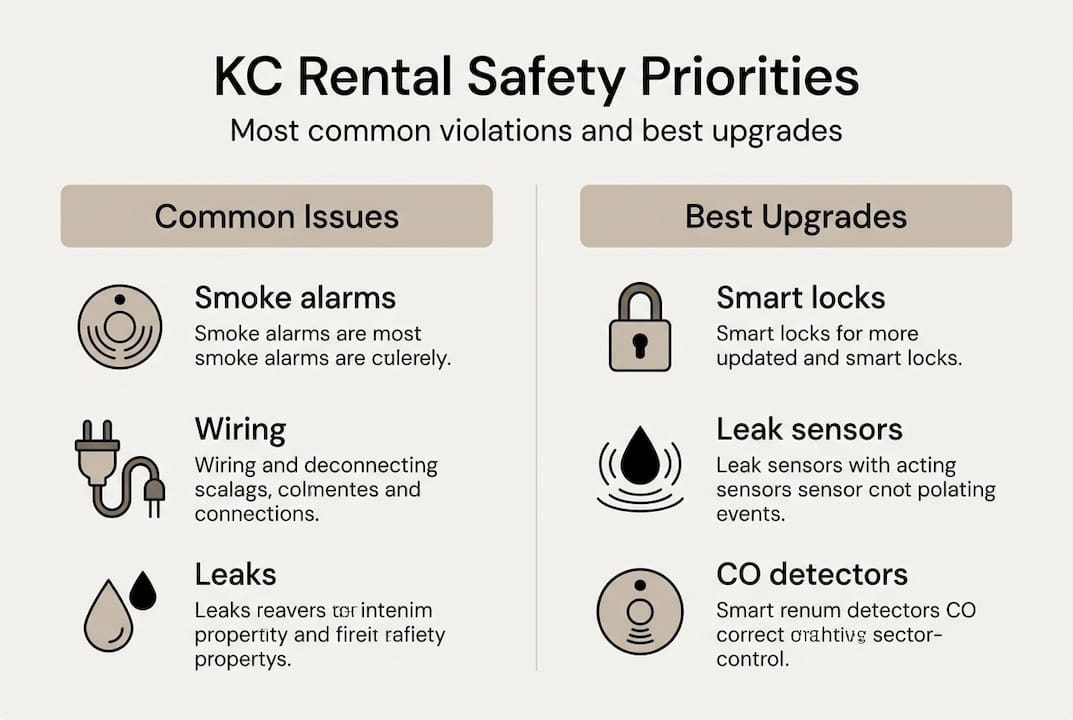
Kansas City's Healthy Homes program sets the baseline for rental property safety across the metro area. Kansas City requires registration and inspections focusing on electrical, plumbing, HVAC, detectors, structure, pests, and mold. Landlords must register rental units annually with a $25 fee and pass inspections that scrutinize critical safety systems. Inspectors check for functional smoke and carbon monoxide detectors, proper electrical wiring without exposed hazards, adequate plumbing without leaks, and HVAC systems that maintain safe temperatures.
Common violations include missing or nonfunctional smoke detectors, electrical hazards like exposed wiring or overloaded circuits, water damage and mold growth, pest infestations, and inadequate egress routes. These issues account for the majority of failed inspections and trigger costly reinspection fees. Landlords who ignore violations risk permit suspension, which legally prohibits renting the property until all issues are resolved.
Beyond city regulations, Kansas state law requires landlords to ensure habitable conditions including working utilities, safety devices, pest control, and emergency egress with a 14-day repair notice. Tenants can withhold rent or terminate leases if landlords fail to address habitability issues within this timeframe. The law also mandates that landlords maintain structural integrity, provide adequate heating and cooling, and ensure all plumbing and electrical systems function safely.
Noncompliance carries serious financial consequences. Initial inspection failures result in reinspection fees ranging from $50 to $150. Repeated violations can lead to daily fines of $100 or more until corrections are made. In extreme cases, the city can suspend rental permits indefinitely, forcing landlords to cease operations and lose rental income until full compliance is achieved. Legal disputes with tenants over habitability can result in court costs, attorney fees, and potential damages.
Understanding these requirements helps landlords prioritize upgrades that address the most common inspection failures. Kansas City rental safety requirements and compliance services for landlords provide additional guidance on meeting these standards efficiently.
With these legal requirements clear, the next section covers preparation steps landlords should take before inspection.
Preparing your rental for safety inspections and upgrades
Successful inspection outcomes start with thorough preparation weeks before the scheduled visit. Use a detailed pre-inspection checklist that covers all Housing Quality Standards (HQS) requirements: smoke and CO detectors in every bedroom and common area, GFCI outlets in kitchens and bathrooms, secure handrails on all stairs, functional locks on doors and windows, and adequate ventilation in bathrooms and kitchens. Walk through each unit with this checklist, noting any deficiencies that need immediate attention.
Schedule regular preventive maintenance to catch problems before they become violations. Preventive maintenance reduces emergency repairs by 40-60% and improves property value. HVAC filters should be changed quarterly, pest control treatments scheduled every three months, and plumbing inspections conducted annually. Gutters need cleaning twice yearly to prevent water damage, and exterior paint or siding should be inspected for deterioration that could allow moisture intrusion.
Prioritize low-cost, high-impact upgrades that deliver the best return on investment. Installing smoke and CO detectors costs $20 to $50 per unit but prevents automatic inspection failures. GFCI outlets run $15 to $30 each and protect against electrical hazards that top the violation list. Water leak sensors at $30 to $60 each catch plumbing issues before they cause expensive mold damage. These upgrades typically increase rent by 1% to 3% while dramatically reducing emergency repair costs.
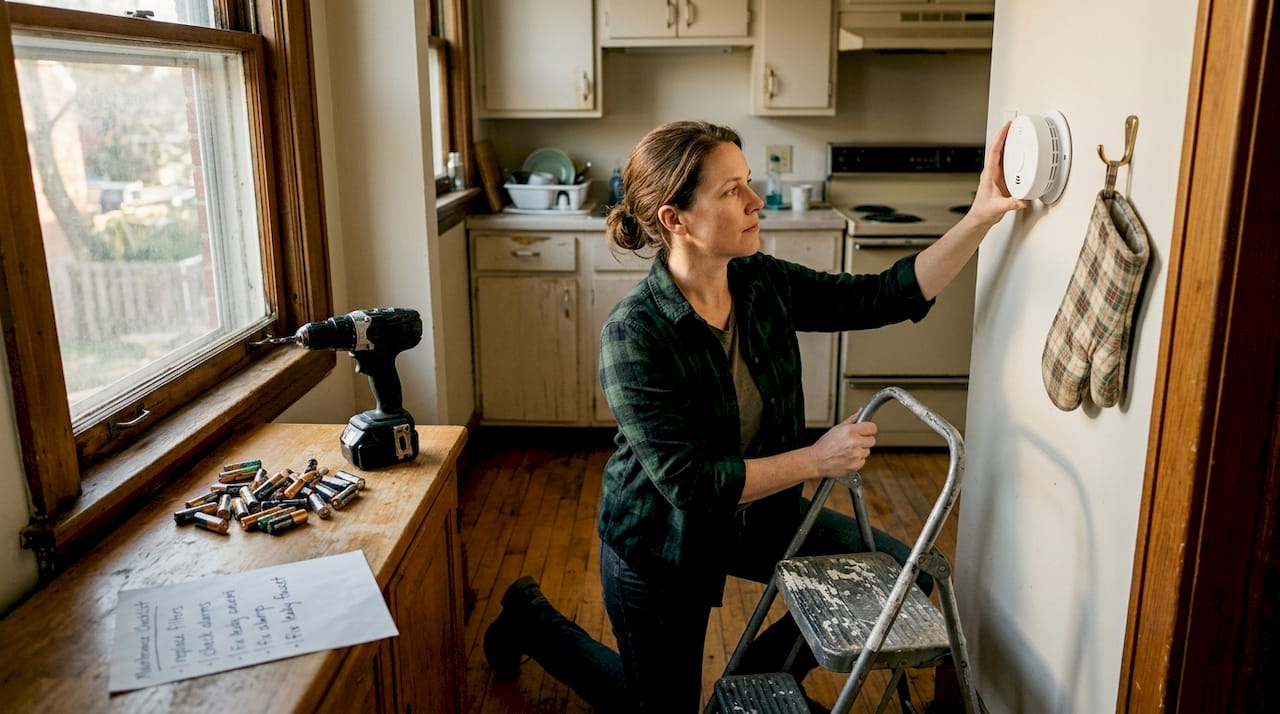
Record maintenance schedules using computerized maintenance management systems (CMMS) or simple spreadsheets. Document every repair, upgrade, and inspection with dates, costs, and photos. This creates a compliance trail that demonstrates proactive management if disputes arise. Digital records also help track warranty periods, schedule recurring maintenance, and identify patterns that suggest underlying problems.
Engage tenants in reporting potential issues early through clear communication channels. Provide a simple online form or dedicated phone number for maintenance requests. Respond within 24 hours to acknowledge reports and within 48 hours to schedule repairs. Tenants who feel heard are more likely to report small problems before they escalate into violations.
Pro Tip: Create a seasonal maintenance calendar that aligns with inspection cycles. Schedule HVAC servicing in spring and fall, gutter cleaning in late fall and early spring, and detector battery replacements in January and July. This rhythm ensures critical systems are always inspection-ready.
Rental inspection preparation tips and rental property maintenance services can streamline your preparation process and ensure nothing gets overlooked.
Having prepared the property, landlords need to learn how to execute key safety upgrades effectively.
Executing high-ROI rental safety upgrades
Smart safety upgrades deliver measurable returns through reduced maintenance costs, higher rent premiums, and faster tenant placement. Smart thermostats, locks, smoke/CO detectors, water leak sensors offer payback within 5-12 months and high ROI. The following table shows typical costs, monthly rent increases, and payback periods for top safety upgrades:
| Upgrade | Cost | Monthly Rent Increase | Payback Period | Annual ROI | | --- | --- | --- | --- | | Smart thermostat | $120-$250 | $15-$25 | 5-10 months | 72-250% | | Smart locks | $150-$300 | $10-$20 | 8-15 months | 40-160% | | Smoke/CO detectors (smart) | $80-$150 | $5-$10 | 8-15 months | 40-150% | | Water leak sensors | $30-$60 per sensor | $5-$10 | 3-6 months | 100-400% | | GFCI outlets (kitchen/bath) | $15-$30 each | $0-$5 | Immediate compliance | Prevents violations |
Smart thermostats reduce HVAC costs by 10% to 23% annually while giving landlords remote temperature control. This prevents tenant abuse of heating and cooling systems and ensures properties maintain safe temperatures during vacancies. Installation takes 30 to 60 minutes per unit and requires only basic electrical knowledge or professional help.
Smart locks eliminate key management hassles and improve security. Landlords can grant temporary access codes for maintenance workers, revoke codes when tenants move out, and receive alerts when doors are unlocked. This upgrade particularly appeals to tech-savvy tenants willing to pay premium rents for convenience and security.
Smart smoke and CO detectors send instant alerts to landlords' phones when batteries run low or alarms trigger. This allows immediate response to emergencies and ensures detectors never go offline due to dead batteries. Some models integrate with home automation systems for comprehensive property monitoring.
Water leak sensors placed under sinks, behind toilets, near water heaters, and in basements catch plumbing failures within seconds. Early detection prevents thousands in water damage and mold remediation costs. At $30 to $60 per sensor, the investment pays for itself with a single prevented leak.
In-unit washer and dryer installations rank among the most valued upgrades for tenants. While initial costs run $800 to $1,500 per unit, landlords can increase monthly rent by $50 to $100. This upgrade dramatically reduces vacancy periods and attracts higher-quality tenants willing to pay for convenience.
Pro Tip: Prioritize upgrades that yield at least a 1% monthly rent increase relative to installation cost. A $200 upgrade should generate at least $2 per month in additional rent to achieve a 12% annual return. Focus on safety improvements that also enhance tenant appeal for maximum impact.
Smart rental safety upgrades and smart home upgrade services can help you identify the best options for your specific properties.
After implementing upgrades, landlords should verify compliance and maintain ongoing safety standards.
Verifying compliance and maintaining property safety
Post-upgrade verification ensures all improvements meet inspection standards and function correctly. Follow these steps to confirm compliance:
-
Test every smoke and CO detector using the test button and verify audible alarms at appropriate decibel levels. Replace batteries even if detectors are hardwired to ensure backup power works.
-
Check all GFCI outlets by pressing the test button and confirming power cuts off, then press reset to restore power. Replace any outlets that fail this test immediately.
-
Inspect handrails for secure mounting with no wobble or loose fasteners. Ensure railings meet height requirements of 34 to 38 inches and have no gaps wider than 4 inches.
-
Verify all door and window locks operate smoothly without sticking or requiring excessive force. Test deadbolts for full extension and ensure strike plates are securely mounted.
-
Document all verifications with photos and written notes. Store these records digitally with timestamps to prove compliance if disputes arise.
Use smart technology to monitor properties remotely between inspections. Water leak sensors, smoke detectors, CO monitors, and smart thermostats send real-time alerts when issues develop. This allows immediate response before minor problems escalate into violations or tenant complaints. Remote monitoring proves particularly valuable for landlords managing multiple properties across different locations.
Implement a preventive maintenance calendar with routine checks scheduled quarterly, semi-annually, and annually. Properties with strong preventive maintenance see 12-18% savings and 10-15% higher rents. Quarterly tasks include HVAC filter changes, pest control treatments, and exterior walkthrough inspections. Semi-annual maintenance covers gutter cleaning, HVAC servicing, and detector battery replacements. Annual inspections should include plumbing system checks, electrical panel inspections, and roof assessments.
Document all maintenance and repairs with detailed records showing dates, work performed, parts replaced, and costs incurred. Digital documentation systems with photo uploads create irrefutable evidence of proactive management. These records protect landlords in legal disputes and demonstrate compliance during inspections.
Engage tenants as partners in property safety through clear communication and rapid response protocols. Provide simple reporting mechanisms like online forms, dedicated phone numbers, or property management apps. Acknowledge all reports within 24 hours and schedule repairs within 48 hours for non-emergency issues. Emergency repairs like water leaks, heating failures, or electrical hazards require same-day response. Tenants who feel heard report problems early, preventing small issues from becoming major violations.
Ongoing rental property compliance and maintenance management services help landlords maintain consistent safety standards across all properties.
With compliance verification in place, the next section offers a brief overview of MaddLadder's services to support landlords.
Explore MaddLadder services for rental property safety upgrades
Managing rental property safety across multiple units demands expertise, time, and reliable service partners. MaddLadder specializes in helping Kansas City landlords navigate compliance requirements while implementing practical safety upgrades that protect tenants and increase property value. Our team handles everything from routine maintenance scheduling to complex smart home installations, ensuring your properties stay inspection-ready year-round.
We offer comprehensive services including electrical safety upgrades, plumbing repairs, HVAC maintenance, smart device installations, and preventive maintenance programs tailored to landlord needs. Our Property Manager subscription plan provides priority scheduling, discounted rates, and quarterly property assessments to catch issues before they become violations. Digital tools streamline work orders, track maintenance history, and provide documentation for compliance records. Whether you manage two units or twenty, MaddLadder rental property services and MaddLadder property management services deliver the reliability and expertise Kansas City landlords need to succeed.
What are the most common safety violations in Kansas City rental properties?
What are the most common safety violations in Kansas City rental properties?
Water damage, electrical hazards, and missing smoke or CO detectors consistently top the violation list in Kansas City rental inspections. Water damage often stems from roof leaks, plumbing failures, or poor drainage that creates mold growth and structural deterioration. Electrical hazards include exposed wiring, overloaded circuits, missing outlet covers, and non-GFCI outlets in wet areas. Failure to address these violations promptly leads to fines starting at $100 daily, reinspection fees, and potential suspension of rental permits that prohibits legal renting until corrections are made.
How can I prepare my rental for a Healthy Homes inspection?
Use a detailed checklist covering smoke and CO detectors in every bedroom and common area, GFCI outlets in kitchens and bathrooms, secure handrails on stairs, functional door and window locks, and proper ventilation in bathrooms and kitchens. Complete preventive maintenance at least 30 days before inspection, including HVAC servicing, pest control treatments, plumbing checks, and exterior repairs. Test all safety devices yourself to ensure they function correctly, and document all maintenance with photos and written records. This preparation dramatically reduces the risk of inspection failures and demonstrates proactive property management.
What safety upgrades offer the best return on investment?
Smart thermostats, smart locks, smoke and CO detectors, and water leak sensors deliver the highest returns for rental property safety upgrades. These improvements pay back within 5 to 12 months through monthly rent increases of $5 to $25 per upgrade while reducing maintenance costs and emergency repairs. Smart thermostats alone can generate 72% to 250% annual ROI by cutting HVAC costs and allowing remote temperature control. Water leak sensors prevent thousands in damage at a cost of just $30 to $60 per sensor, making them among the most cost-effective safety investments available.
What happens if my rental fails a safety inspection in Kansas City?
Failed inspections trigger reinspection fees ranging from $50 to $150, and landlords must correct all violations before scheduling a follow-up inspection. Repeated failures or serious violations result in daily fines of $100 or more until corrections are completed. The city can suspend rental permits for properties with persistent violations, legally prohibiting landlords from renting the property and collecting rent until full compliance is achieved. This suspension can last weeks or months, causing significant income loss. Landlords must fix violations promptly, document all repairs with photos and receipts, and schedule reinspection to resume legal rental operations.