
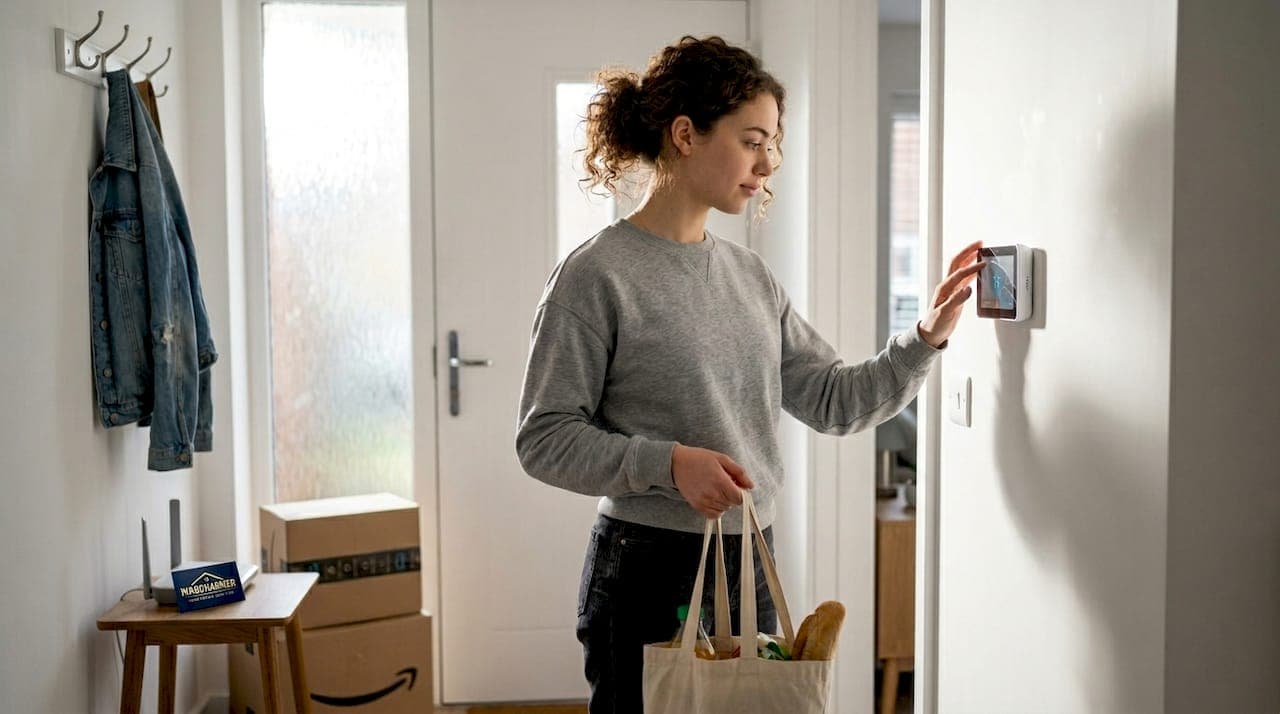
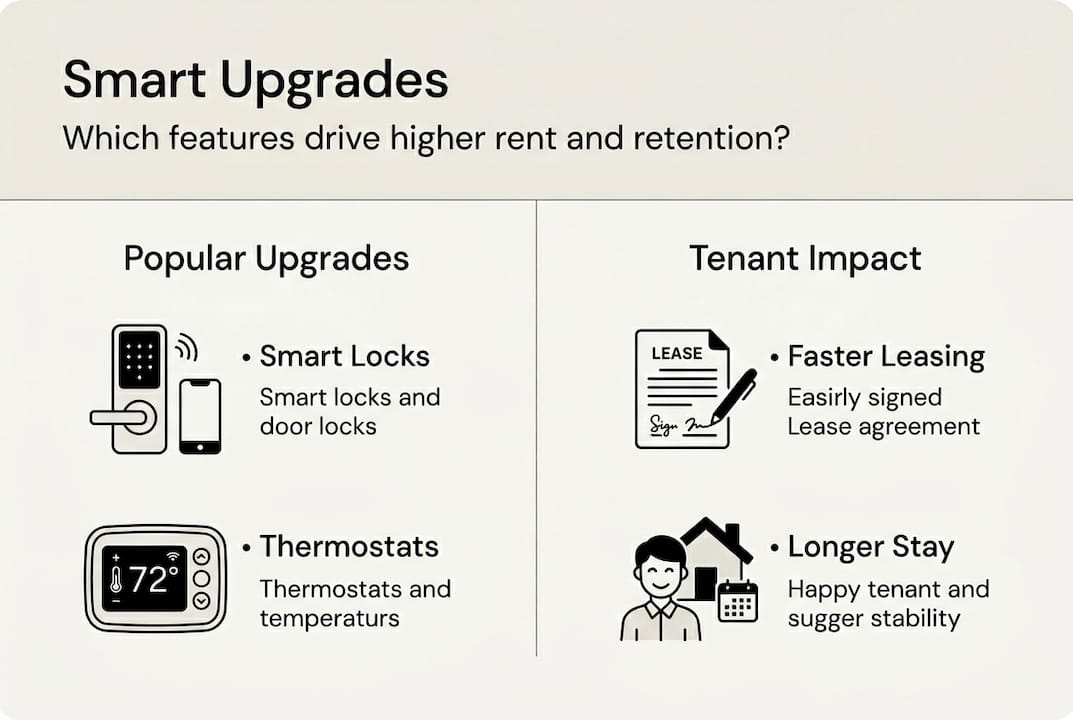
Many landlords believe tech upgrades are expensive luxuries that do not justify the investment. However, modern renters increasingly value smart technology, with data showing that 65% are willing to pay extra rent for properties equipped with smart features. These upgrades influence not only rental income but also lease duration and tenant satisfaction. This guide explores how technology transforms rental property management in Kansas City, helping you understand which upgrades deliver the strongest returns and how to implement them effectively for maximum tenant retention and operational efficiency.
Table of Contents
- Key Takeaways
- How tech upgrades transform tenant experience and property value
- Challenges and considerations when implementing tech upgrades
- Maximizing ROI and tenant engagement with strategic tech upgrades
- Comparing tech upgrade options: which solutions fit Kansas City rentals best?
- How MaddLadder helps Kansas City landlords optimize rental tech upgrades
- FAQ
Key Takeaways
| Point | Details |
|---|---|
| Renters pay premium | 65 percent of renters are willing to pay extra rent for smart features, signaling strong monetization potential. |
| Retention and rents rise | Tech upgrades extend leases and command higher rents, reducing turnover costs and stabilizing cash flow. |
| Smart thermostats cut energy | Smart thermostats reduce energy consumption by up to 15 percent. |
| Small landlord challenges | High upfront costs and financing hurdles complicate rollout for small landlords. |
How tech upgrades transform tenant experience and property value
Smart thermostats represent one of the most impactful upgrades you can make. These devices allow tenants to control heating and cooling remotely, creating personalized comfort while reducing energy consumption by up to 15%. Tenants appreciate the convenience of adjusting temperatures from their phones, especially during Kansas City's unpredictable weather swings. Lower utility bills become a tangible benefit that tenants notice every month, making your property more attractive compared to competitors without these features.
Smart locks eliminate the hassle of physical key management while dramatically improving security. Tenants can grant temporary access to guests, service providers, or family members without creating duplicate keys. You benefit from never needing to rekey locks between tenants, saving both time and money. The ability to monitor entry and exit times provides peace of mind for security-conscious renters, particularly young professionals and families who prioritize safety features when choosing rental properties.
Reliable high-speed Wi-Fi has evolved from a luxury to a baseline expectation. Remote work and streaming entertainment require robust internet connectivity, making this upgrade non-negotiable for many renters. Properties offering included or upgraded internet infrastructure attract tenants faster and command higher rents. According to 2025 research, tech upgrades improve tenant satisfaction significantly, with 65% willing to pay extra rent and 77% signing longer leases when smart features are available.
The shift in tenant priorities reveals a fundamental change in what renters value:
- Smart home features now rank higher than traditional amenities like fitness centers
- Energy efficiency appeals to environmentally conscious tenants
- Convenience and time-saving technology drive rental decisions
- Security features influence lease signing more than cosmetic upgrades
"Technology is not just about gadgets anymore. It is about creating living experiences that align with how modern tenants work, relax, and manage their daily lives. Properties that recognize this shift will consistently outperform those stuck in traditional thinking."
Tech upgrades directly impact your bottom line through increased tenant retention. Turnover costs average one to two months of rent when you factor in vacancy periods, marketing, cleaning, and repairs. When tenants stay longer, you avoid these expenses while maintaining consistent cash flow. The premium rent that tech-equipped properties command often exceeds the monthly cost of financing these upgrades, creating immediate positive cash flow alongside long-term asset appreciation.
Challenges and considerations when implementing tech upgrades
High initial investment creates a significant barrier for small landlords managing just a few properties. A complete smart home package including thermostats, locks, and security cameras can cost $1,500 to $3,000 per unit. When you multiply this across multiple properties, the capital requirement becomes substantial. Many small operators lack the cash reserves or credit lines to fund these upgrades simultaneously, forcing them to prioritize which properties receive technology first or delay implementation entirely.
Data privacy concerns affect 35% of technology users, creating tenant resistance even when upgrades would benefit them. Renters worry about who can access their usage data, whether landlords monitor their daily routines, and how information might be shared with third parties. You must address these concerns proactively by selecting devices with strong encryption, transparent privacy policies, and clear tenant agreements about data collection and use. Failing to communicate openly about privacy protections can undermine tenant trust and reduce adoption rates.
Technology reliability issues require careful planning and ongoing support infrastructure. Smart devices occasionally lose connectivity, require software updates, or malfunction unexpectedly. When a smart lock fails at midnight or a thermostat stops responding during a heat wave, tenants expect immediate resolution. Small operators often lack 24/7 technical support capabilities, creating frustration and potential liability issues. You need backup systems, clear troubleshooting protocols, and relationships with responsive vendors who can address problems quickly.
Key obstacles landlords face when adopting technology:
- Limited technical knowledge about installation and configuration
- Difficulty comparing products and identifying reliable brands
- Concerns about compatibility between different smart home systems
- Uncertainty about which upgrades deliver the strongest ROI
- Lack of time to research, implement, and maintain new systems
Pro Tip: Start with one property as a testing ground for tech upgrades. Monitor tenant feedback, track maintenance issues, and calculate actual costs before rolling out technology across your entire portfolio. This approach minimizes risk while building your knowledge and confidence.
Hybrid AI-human approaches help address compliance and dispute resolution challenges that pure technology solutions cannot handle alone. Automated systems excel at routine tasks like rent collection and maintenance requests, but local regulations, tenant disputes, and complex situations require human judgment. Research shows that small operators struggle with training and that hybrid models combining technology efficiency with human expertise deliver the best outcomes for managing properties effectively.
Successful technology adoption requires balancing automation with personal touch. Tenants appreciate the convenience of digital systems but still value responsive human support when problems arise. Properties that over-automate risk creating impersonal experiences that drive tenants away despite having the latest technology. You need to identify which interactions benefit from automation and which require personal attention to maintain strong landlord-tenant relationships.
Maximizing ROI and tenant engagement with strategic tech upgrades
Calculating ROI before investing prevents costly mistakes and helps you prioritize upgrades with the strongest financial returns. ROI calculators allow you to input costs, expected rent increases, energy savings, and reduced turnover to project payback periods. A smart thermostat costing $250 that saves $30 monthly in utilities and enables a $50 rent increase pays for itself in just over three months. Compare this against cosmetic upgrades like new countertops that may cost $2,000 but only justify a $75 rent increase, taking over two years to recover the investment.
Prioritizing durable and tenant-proof devices minimizes maintenance headaches and replacement costs. Look for products with high build quality, long warranties, and proven track records in rental applications. Commercial-grade smart locks withstand heavier use than residential models. Thermostats with tamper-resistant settings prevent tenants from accessing advanced configuration options that could cause system problems. Investing an extra $50 to $100 per device upfront for durability typically saves hundreds in replacement and service call costs over the device's lifetime.
Bundling upgrades enhances perceived tenant value beyond the sum of individual components. A package including smart thermostat, lock, and doorbell camera feels like a comprehensive smart home system rather than isolated gadgets. This perception justifies higher rent premiums than you could achieve by installing features individually. Bundles also simplify your marketing message, allowing you to advertise "smart home equipped" properties rather than listing technical specifications that may confuse prospective tenants.
Engaging tenants to maximize energy savings amplifies the financial benefits of smart technology. Education about optimal thermostat settings, seasonal adjustments, and energy-saving features helps tenants reduce utility costs while lowering your expenses in properties where you cover utilities. Scientific research demonstrates that smart tech combined with resident engagement yields up to 24% energy savings, significantly exceeding the results from technology alone. Simple tenant guides, seasonal reminders, and responsive support when tenants have questions about using devices all contribute to better outcomes.
Strategic implementation steps for maximum returns:
- Audit your properties to identify which units would benefit most from upgrades
- Research products specifically designed for rental applications with proven durability
- Calculate projected ROI including rent increases, utility savings, and reduced turnover
- Start with high-impact, low-cost upgrades like smart thermostats before expanding
- Create tenant orientation materials explaining how to use new technology effectively
- Monitor performance metrics and tenant feedback to refine your approach
| Upgrade Type | Typical Cost | Monthly Benefit | Payback Period | Tenant Appeal |
|---|---|---|---|---|
| Smart Thermostat | $200-$300 | $40-$80 | 3-6 months | High |
| Smart Lock | $150-$250 | $30-$50 | 4-7 months | Very High |
| Security Camera | $100-$200 | $20-$40 | 5-8 months | High |
| Wi-Fi Upgrade | $300-$500 | $50-$100 | 4-6 months | Critical |
| Smart Lighting | $150-$300 | $15-$30 | 8-12 months | Moderate |
Pro Tip: Time your tech upgrades during unit turnover to avoid disrupting current tenants and to market the improvements immediately to prospective renters. This strategy maximizes the rent premium you can command while minimizing installation inconvenience.
Hybrid management models combining technology platforms with human oversight deliver superior results for handling tenant disputes and maintenance coordination. Automated systems track requests and deadlines efficiently, but experienced property managers apply judgment to prioritize urgent issues, negotiate solutions, and maintain positive tenant relationships. This balanced approach captures technology's efficiency benefits while preserving the personal service that keeps tenants satisfied and reduces conflict.
Comparing tech upgrade options: which solutions fit Kansas City rentals best?
Smart thermostats offer the strongest combination of tenant appeal and measurable savings for Kansas City's climate. Summer cooling and winter heating create substantial utility costs, making temperature control a daily concern for renters. Models from established brands provide reliability and user-friendly apps that tenants can master quickly. Installation typically takes less than an hour, and compatibility with most HVAC systems makes this upgrade accessible for properties of any age. The ability to set schedules, adjust remotely, and receive energy reports appeals to tech-savvy renters while delivering concrete financial benefits.
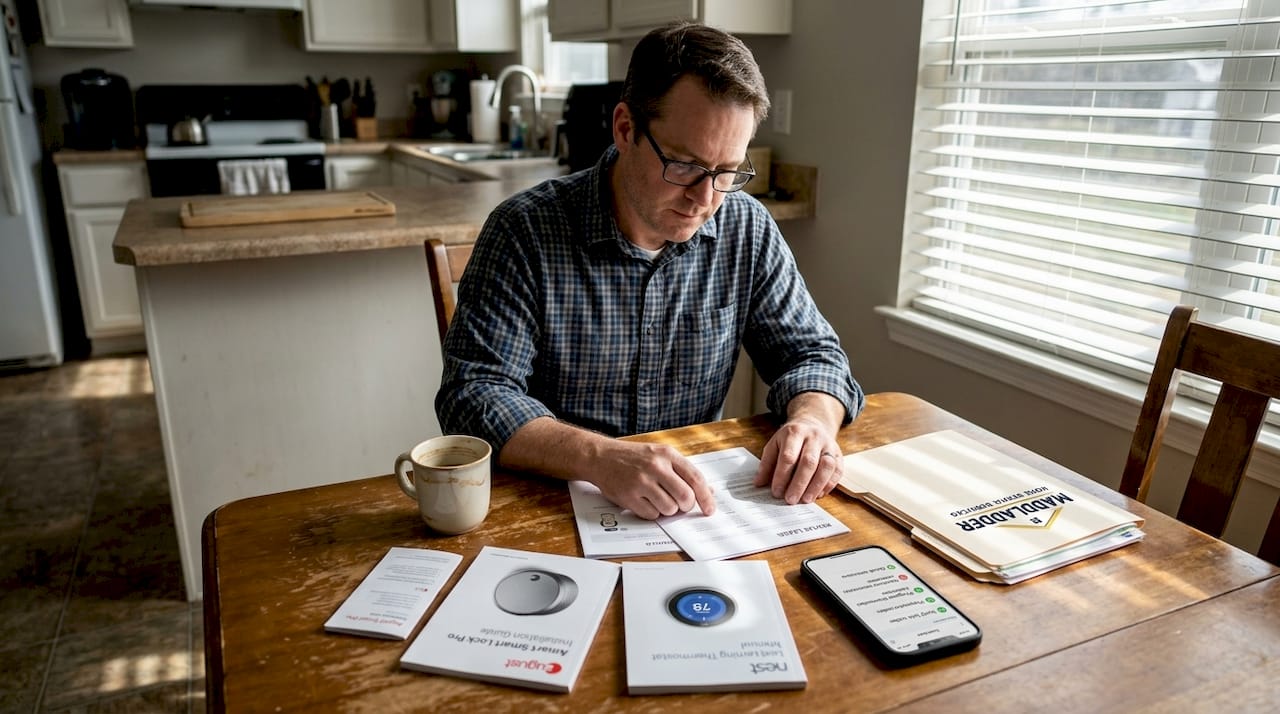
Smart locks eliminate physical key management while providing security features that resonate strongly with Kansas City renters. The ability to grant temporary access codes for maintenance, deliveries, or guests removes friction from daily life. You benefit from never worrying about lost keys, unauthorized duplicates, or rekeying costs between tenants. Battery-powered models install without electrical work, making them suitable for any property. Integration with property management software allows you to automate access code changes during turnover, saving time and reducing security risks.
Wi-Fi infrastructure upgrades address the most fundamental tenant expectation in modern rentals. Kansas City's growing tech sector attracts remote workers and digital professionals who require reliable, high-speed internet for their livelihoods. Properties offering included or upgraded internet infrastructure fill vacancies faster and command premium rents. Whole-home mesh systems eliminate dead zones in larger units, while commercial-grade access points serve multifamily buildings effectively. The monthly cost of providing internet often gets recovered through higher rent while creating a competitive advantage in tight rental markets.
Property management software streamlines operations for landlords managing multiple Kansas City properties. Digital rent collection, automated late fee assessment, maintenance request tracking, and financial reporting reduce administrative time by 60% to 70%. Tenant portals for communication and document sharing improve satisfaction while creating documentation trails that protect you legally. The monthly subscription cost typically ranges from $1 to $3 per unit, delivering immediate ROI through time savings alone before considering the benefits of reduced errors and improved tenant experience.
| Solution | Initial Cost | Monthly Cost | Tenant Satisfaction | Rent Premium | Best For |
|---|---|---|---|---|---|
| Smart Thermostat | $200-$300 | $0 | 8/10 | $40-$60 | All properties |
| Smart Lock | $150-$250 | $0 | 9/10 | $30-$50 | All properties |
| Mesh Wi-Fi | $300-$500 | $50-$80 | 9/10 | $75-$125 | Single-family, larger units |
| Security Camera | $100-$200 | $5-$15 | 7/10 | $20-$40 | Properties with package theft concerns |
| Management Software | $0-$500 | $50-$150 | 6/10 (indirect) | $0 | Landlords with 5+ units |
Key factors when selecting technology for Kansas City rentals:
- Climate compatibility for devices exposed to temperature extremes
- Internet connectivity requirements and backup options for outages
- Tenant demographic preferences (young professionals vs. families vs. students)
- Property type considerations (single-family vs. multifamily installation differences)
- Local vendor availability for installation, service, and emergency support
Research consistently shows that smart tech features vary significantly in cost and tenant appeal, making it essential to focus on tenant priorities rather than installing every available gadget. Start with the upgrades that address your specific tenant demographic's needs and property challenges. A family-oriented property benefits more from security features, while a property targeting young professionals should prioritize connectivity and convenience automation.
Installation and maintenance considerations differ substantially between upgrade types. Smart thermostats and locks typically require one-time installation with minimal ongoing maintenance beyond occasional battery changes. Wi-Fi systems may need periodic firmware updates and troubleshooting when connectivity issues arise. Security cameras require regular cleaning and occasional repositioning as landscaping grows. Property management software demands the most ongoing attention through regular data entry, tenant communication, and system configuration adjustments as your needs evolve.
How MaddLadder helps Kansas City landlords optimize rental tech upgrades
Navigating the technology landscape for rental properties can feel overwhelming when you are balancing tenant needs, budget constraints, and long-term returns. MaddLadder specializes in helping Kansas City landlords implement smart home upgrades that tenants actually use and value. Our team handles everything from selecting the right devices for your property type to professional installation and tenant orientation. We understand which technology delivers the strongest ROI for Kansas City's rental market and which features tenants prioritize when choosing where to live.
Our comprehensive services include smart thermostat installation, security system setup, and connectivity improvements that make your properties more competitive. We work with landlords managing single-family homes, duplexes, and small multifamily buildings to create technology packages that fit your budget and goals. Whether you need a complete smart home transformation or targeted upgrades to address specific tenant requests, MaddLadder provides the expertise and reliable service that keeps your properties running smoothly while maximizing tenant satisfaction.
FAQ
What technology upgrades do tenants value most in rental properties?
Smart thermostats, smart locks, and reliable high-speed Wi-Fi consistently rank as the top three features renters prioritize. These upgrades address daily needs for comfort, security, and connectivity that tenants experience every single day. Many renters now consider these features more important than traditional amenities like pools or fitness centers when choosing between comparable properties.
How can small landlords handle the cost and complexity of tech upgrades?
Use ROI calculators to plan investments carefully and prioritize upgrades with the shortest payback periods first. Start with durable, low-maintenance devices that require minimal ongoing support to reduce your technical burden. Consider bundling multiple upgrades during unit turnover to maximize perceived value while spreading installation costs across rent increases that take effect immediately with new tenants.
What are the privacy and security concerns with smart rental tech?
Approximately 35% of renters express concerns about data privacy when smart technology is installed in their homes. Landlords should select reputable brands with strong encryption, transparent privacy policies, and clear data handling practices. Communicate openly with tenants about what data gets collected, how you use it, and who has access to ensure they feel comfortable with the technology in their living space.
How do tech upgrades affect rental income and lease duration?
Research shows that 65% of renters are willing to pay extra rent for properties equipped with smart technology features. Even more significantly, up to 77% of tenants sign longer leases when smart tech is available, reducing your turnover costs substantially. These upgrades can increase overall property value while generating immediate cash flow through premium rents that often exceed the monthly cost of financing the improvements.