

TL;DR:
- Replacing aging appliances in rentals reduces maintenance costs, increases tenant satisfaction, and preserves property value. Proactively replacing units before failure, guided by lifespan benchmarks and failure signs, is more cost-effective than frequent repairs. Upgrades like in-unit laundry and smart thermostats deliver quick returns and attract higher-quality tenants.
Replacing aging appliances in rental properties is the single most effective way to reduce maintenance costs, retain tenants, and protect long-term property value. The industry term for this decision framework is "appliance lifecycle management," and it applies to every major unit in a rental, from refrigerators and dishwashers to furnaces and washing machines. Poorly maintained old appliances cause emergency repairs, higher maintenance costs, tenant inconvenience, and lower property appeal. Understanding why replace aging appliances rentals is a recurring question for property managers comes down to one core truth: deferred replacement always costs more than proactive action.
Why replace aging appliances in rentals before they fail?
Appliance lifespan standards give property managers a clear baseline for replacement decisions. Refrigerators last 10–18 years, dishwashers 9–12 years, washing machines 10–14 years, and furnaces 15–20 years, according to industry lifespan benchmarks. These ranges assume normal residential use. Rental units see heavier, less careful use, which pushes appliances toward the lower end of those ranges.
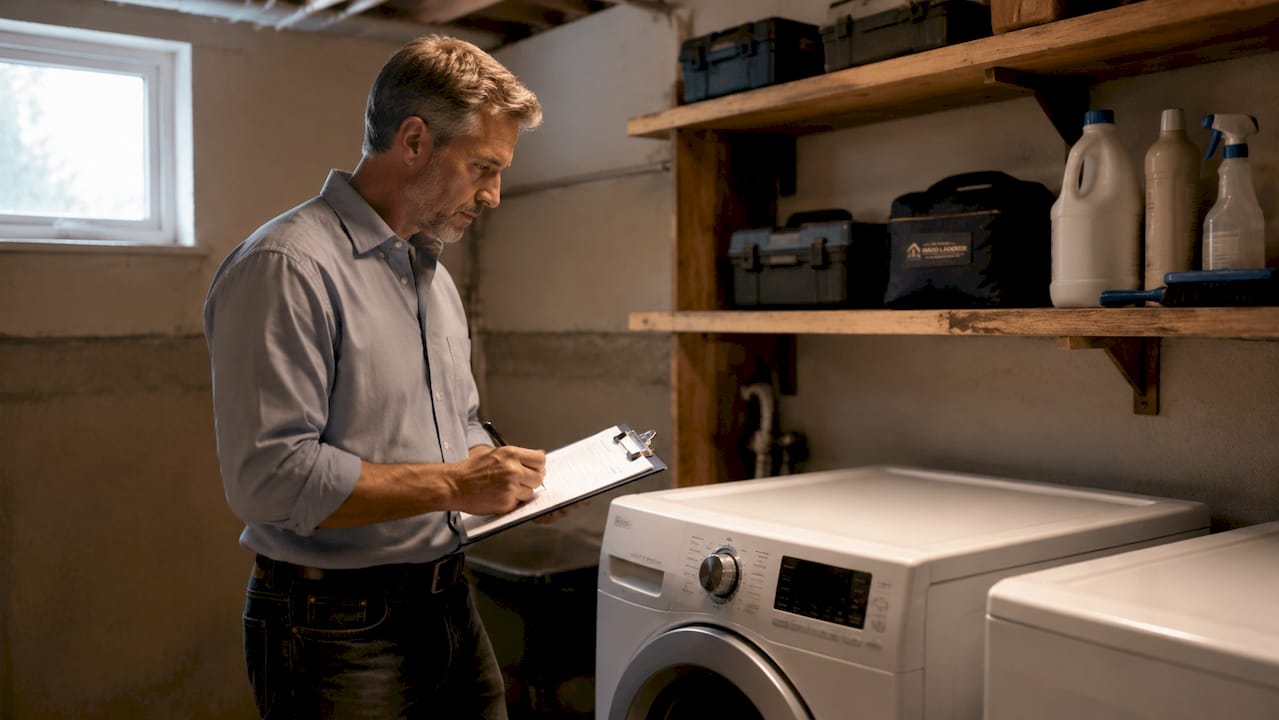
Signs that an appliance has aged beyond its useful life include repeated breakdowns within a short period, unusual noise, inconsistent performance, and visible rust or seal deterioration. A refrigerator that runs constantly but fails to hold temperature is not just inconvenient. It signals compressor wear that no repair will permanently fix. Tenants notice these issues immediately, and their frustration translates directly into complaints and early lease terminations.
The standard repair decision rule is the 50% threshold: if a repair costs more than 50% of the appliance's replacement value, replace it. That rule has an important adjustment. The threshold drops to 30% once an appliance has passed 75% of its expected lifespan. A 14-year-old washing machine with a 14-year expected life is at 100% of its lifespan. Spending $200 to repair a unit worth $600 new is a poor investment at that stage, not a savings.
Common signs an appliance needs replacement
- Repair costs exceed 30% of replacement value and the unit is past 75% of its expected lifespan
- Three or more major failures within an 18-month window
- Energy consumption has increased noticeably without a change in usage
- Replacement parts are discontinued or difficult to source
- The unit no longer meets current safety or efficiency standards
Deferring replacement creates compounding risk. Each repair buys a shorter window of reliable operation. Emergency repairs cost more than planned ones, and they disrupt tenants at the worst times, often nights and weekends.
How does replacing old appliances boost tenant satisfaction?
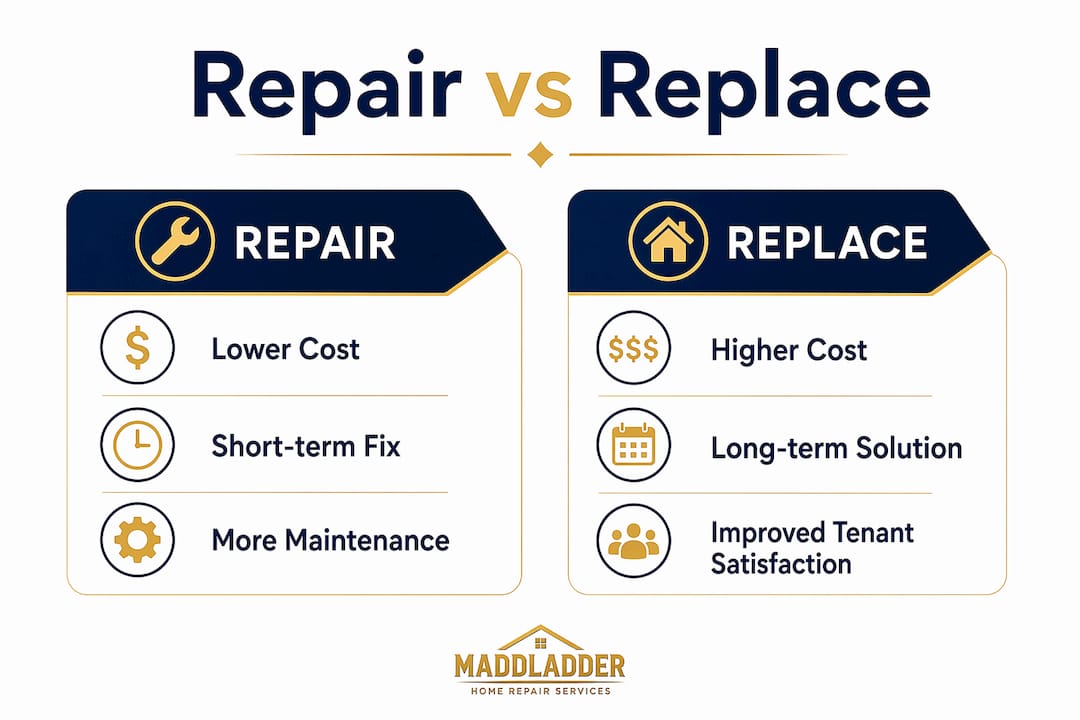
Tenant satisfaction ties directly to appliance quality. In-unit laundry is the most requested rental amenity, with a payback period under 12 months. That single upgrade reduces tenant turnover more reliably than most cosmetic renovations. Tenants who have in-unit laundry renew leases at higher rates because the convenience is hard to replicate elsewhere.
Smart thermostats represent another high-impact upgrade. Smart thermostats reduce HVAC energy use by 10–15%, which lowers utility bills in units where the landlord covers utilities, and gives tenants better control where they pay their own bills. Modern appliances with smart features also offer energy monitoring and remote control, which tenants in the 25–40 age range increasingly expect as standard. You can read more about the specific returns on smart thermostat installation in rental units.
Reduced maintenance calls are a direct financial benefit of upgrading. A new dishwasher does not leak. A new refrigerator does not trip breakers. Every emergency maintenance call costs money and goodwill. Property managers who replace aging units proactively report fewer after-hours calls and shorter vacancy periods between tenancies.
Pro Tip: When a tenant reports the same appliance issue twice in six months, treat it as a replacement signal, not a repair request. The second call is rarely the last.
The competitive angle matters too. Rental markets in metro areas like Kansas City are active. A unit with updated appliances photographs better, attracts stronger applicants, and justifies higher asking rents. The impact of old appliances on rentals is not just operational. It affects how your listing performs against comparable units.
What are the cost implications of repairing versus replacing?
The repair-versus-replacement decision is a financial calculation, not a preference. The 50% rule provides a starting point, but it misses the full picture. After three major failures in 18 months, an appliance is experiencing systemic degradation. Each subsequent repair addresses a symptom, not the underlying wear. The total cost of those repairs, added together, often exceeds replacement cost within two years.
Energy efficiency is the hidden cost that most property managers undercount. Operating older, inefficient appliances increases utility costs and reduces rental attractiveness. A refrigerator from 2008 uses significantly more electricity than a current Energy Star model. That difference shows up in monthly utility bills, and in units where the landlord covers utilities, it directly reduces net operating income.
Here is a practical framework for the repair-versus-replace decision:
- Calculate the appliance's age as a percentage of its expected lifespan. A 10-year-old dishwasher with a 12-year lifespan is at 83% of its life.
- Apply the adjusted cost threshold. At over 75% of lifespan, the repair cost limit drops to 30% of replacement value.
- Count recent repair history. Three or more failures in 18 months signals systemic failure regardless of individual repair costs.
- Factor in energy costs. If the unit is not Energy Star rated and is more than 10 years old, add estimated annual energy waste to the repair cost total.
- Consider tenant impact. If the appliance failure has already caused a complaint or a maintenance call, the cost of tenant dissatisfaction is real even if it is hard to quantify.
For appliances that are still within the first half of their lifespan and have a clean repair history, repair is often the right call. A reliable appliance repair service like Elserve can assess whether a unit is worth repairing or has reached the point where replacement makes more financial sense. The goal is not to replace everything on a schedule. The goal is to replace the right units at the right time.
How to plan appliance replacements across a rental portfolio
Strategic planning separates property managers who control costs from those who react to crises. Distinguishing capital improvements from operational upgrades is the foundation of that planning. A capital improvement, such as replacing a furnace, adds long-term value and is typically depreciated over time. An operational upgrade, such as swapping out a failing dishwasher, restores function and reduces maintenance costs immediately.
Upgrades with payback periods shorter than your portfolio's average tenancy produce reliable per-tenant ROI. If your average tenant stays 24 months, prioritize upgrades that pay back within 24 months. In-unit laundry, smart thermostats, and energy-efficient refrigerators typically meet that threshold. Furnace replacements and HVAC overhauls are longer-payback capital investments that require a different financial lens.
Pro Tip: Build a simple appliance log for each unit. Record the purchase date, model, and any repairs. Review it at every lease renewal. You will catch replacement decisions before they become emergencies.
Tenant demographics also shape upgrade priorities. A property near a university attracts younger renters who prioritize in-unit laundry and connected appliances. A property serving families in a suburban neighborhood may see more value from a reliable, high-capacity washer and dryer than from smart home features. Knowing your tenant profile helps you choose rental appliances that deliver the highest satisfaction per dollar spent. The how to update rental units guide covers this prioritization framework in more detail.
Avoid the common mistake of replacing appliances unit by unit without a portfolio view. If six of your ten units have refrigerators that are 12 years old, plan a phased replacement over 18 months rather than waiting for each one to fail. Bulk purchasing often reduces per-unit cost, and planned replacements happen on your schedule, not a tenant's emergency timeline.
Key Takeaways
Replacing aging rental appliances proactively reduces total maintenance costs, improves tenant retention, and produces measurable ROI when timed against average tenancy length.
| Point | Details |
|---|---|
| Apply the adjusted cost threshold | Drop the repair limit to 30% of replacement value once an appliance exceeds 75% of its expected lifespan. |
| Three failures signal replacement | After three major breakdowns in 18 months, further repairs are rarely cost-effective. |
| In-unit laundry pays back fastest | In-unit laundry is the top requested amenity and typically pays back within 12 months. |
| Match upgrade payback to tenancy length | Prioritize upgrades that pay back within your average lease term for reliable per-tenant ROI. |
| Energy costs are a hidden expense | Older inefficient appliances raise utility costs and reduce net operating income over time. |
What I've learned from watching landlords get this wrong
Property managers who delay appliance replacement almost always cite the same reason: the unit is "still working." That logic is expensive. An appliance that is technically functional but unreliable is not an asset. It is a liability waiting to generate an emergency call at 10 PM on a Friday.
What I have seen work consistently is treating appliance replacement as a scheduled business expense, not a crisis response. Landlords who build replacement cycles into their annual budgets spend less per unit over a five-year period than those who repair reactively. The math is not complicated. Planned replacement costs are predictable. Emergency repairs, tenant turnover from dissatisfaction, and vacancy costs from poor property appeal are not.
The benefits of upgrading rentals go beyond the financial. Tenants who live in well-maintained units with reliable appliances are more likely to report problems early, treat the property with care, and renew their leases. That behavioral shift is worth more than any single appliance upgrade. A landlord who signals investment in the property gets tenants who invest in it too.
The one mistake I see even experienced property managers make is treating all appliances the same. A furnace failure in january is a health and safety emergency. A dishwasher failure is an inconvenience. Prioritize accordingly, but do not let the lower-stakes items pile up until they become a pattern of neglect that tenants notice and mention in reviews.
— Jennifer
Maddladder handles appliance repairs and replacements in Kansas City
Property managers in the Kansas City metro area have a direct option for professional appliance repair and replacement work. Maddladder provides licensed handyman services for rental properties, covering everything from appliance installations to minor plumbing and electrical work connected to appliance upgrades.

Whether you need a single unit replaced or want to work through a phased upgrade plan across multiple properties, Maddladder offers flexible pricing starting at $75/hour and subscription-based maintenance plans designed for property managers. Free estimates make it easy to get a cost comparison before committing. Explore Maddladder's appliance repair and replacement services or check the full services catalog to see what fits your portfolio's needs.
FAQ
When should a landlord replace rather than repair an appliance?
Replace when repair costs exceed 50% of the appliance's replacement value, or 30% if the unit has passed 75% of its expected lifespan. Three or more major failures within 18 months also signal that replacement is the better financial choice.
What appliances have the biggest impact on tenant satisfaction?
In-unit laundry and smart thermostats produce the highest tenant satisfaction returns. In-unit laundry is the most requested rental amenity and typically pays back within 12 months.
How do old appliances affect rental property income?
Old appliances increase utility costs, generate more maintenance calls, and reduce a property's appeal to prospective tenants. These factors raise operating expenses and can extend vacancy periods between leases.
How do I choose the right appliances for my rental units?
Match appliance quality and features to your tenant demographic and average tenancy length. Prioritize upgrades with payback periods shorter than your average lease term to maximize per-tenant ROI.
Does replacing appliances qualify as a capital improvement?
Major replacements like furnaces typically qualify as capital improvements and are depreciated over time. Smaller operational replacements like dishwashers or refrigerators are often treated as direct expenses, but consult a tax professional for your specific situation.