

TL;DR:
- Smart thermostats help landlords control HVAC systems remotely, reduce energy waste, and lower maintenance costs in rental properties. They also improve tenant satisfaction by providing easy scheduling and transparent energy use data. Proper setup, including compatibility checks and vacancy automation, maximizes their cost-saving and operational benefits.
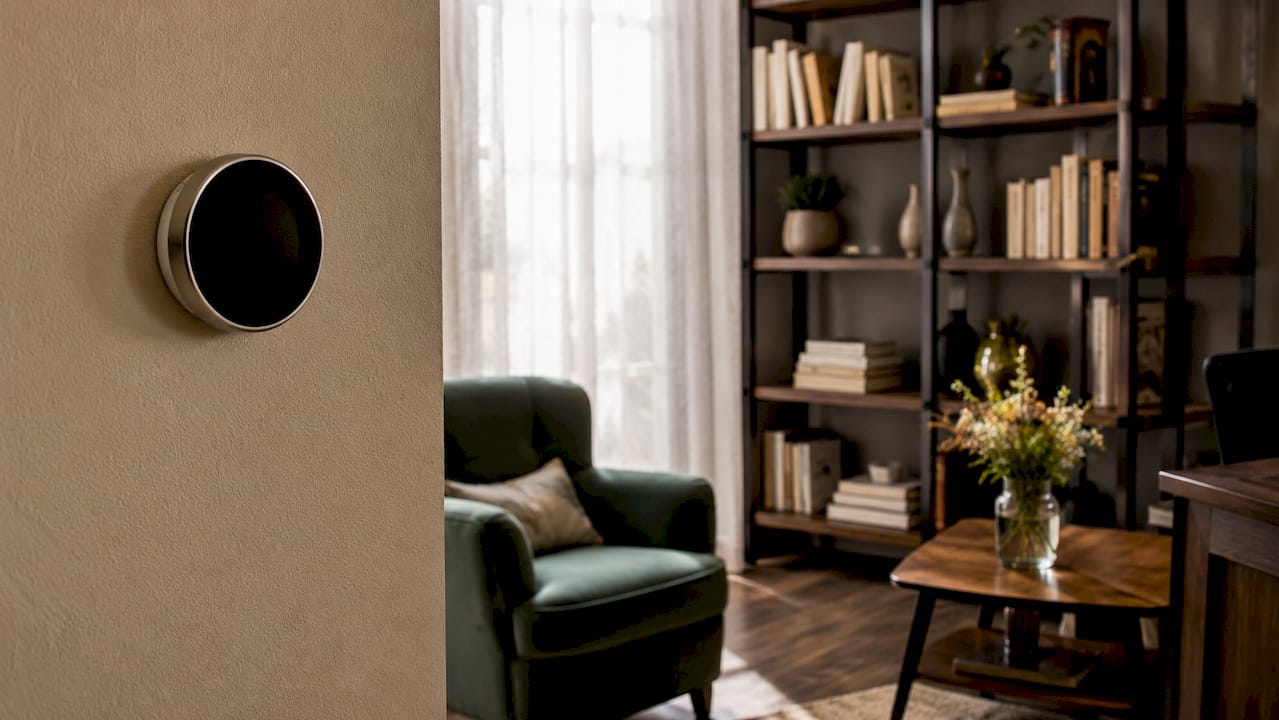
Smart thermostats for rental properties are programmable, Wi-Fi-connected devices that let landlords control HVAC systems remotely, automate temperature schedules, and monitor energy use across multiple units from a single dashboard. The role of smart thermostats for rentals goes well beyond convenience. These devices reduce energy waste during vacancies, cut maintenance costs, and give tenants the comfort controls they expect from a modern rental. Devices like the Google Nest Thermostat and Ecobee SmartThermostat are the most widely deployed options in the rental market, and both support the vacancy-aware automation and remote diagnostics that make them genuinely useful for property managers.
How smart thermostats reduce energy costs in rental properties
Energy waste in vacant units is the single largest controllable cost in rental property HVAC management. When a unit sits empty between tenants, a conventional thermostat keeps running on the last occupant's schedule. A smart thermostat with vacancy-aware automation shuts that down automatically.
Vacancy-aware smart thermostats reduce HVAC runtime by 32–55%, saving $17,000–$36,000 annually per multifamily community. That is not a marginal improvement. For a landlord managing ten or more units, that figure represents a meaningful reduction in operating costs without any change in tenant experience.
The maintenance savings are equally significant. Smart HVAC controls reduce maintenance calls by 40% and cut energy costs by 15–25%. Fewer service calls mean fewer emergency dispatch fees and less time coordinating with HVAC technicians. Remote diagnostics shift the workflow from reactive to proactive. Instead of waiting for a tenant to report a problem, a landlord sees an alert when the system runs longer than expected or fails to reach setpoint, and can diagnose the issue before it becomes a $500 repair call.
Key mechanisms behind these savings include:
- Vacancy mode automation: Units in turnover default to a setback temperature, not the last tenant's preferred setting.
- Remote setpoint changes: A landlord can adjust any unit's temperature from a phone without visiting the property.
- Maintenance alerts: Unusual runtime patterns trigger notifications before equipment fails.
- Freeze and overheat protection: Remote monitoring prevents freeze damage and overheating, protecting the property during extreme weather.
Pro Tip: Automated vacancy modes controlled through property management software deliver larger savings than any individual thermostat feature. Connect your thermostat to your leasing platform so vacancy mode activates the moment a unit is marked vacant.
What impact do smart thermostats have on tenants?
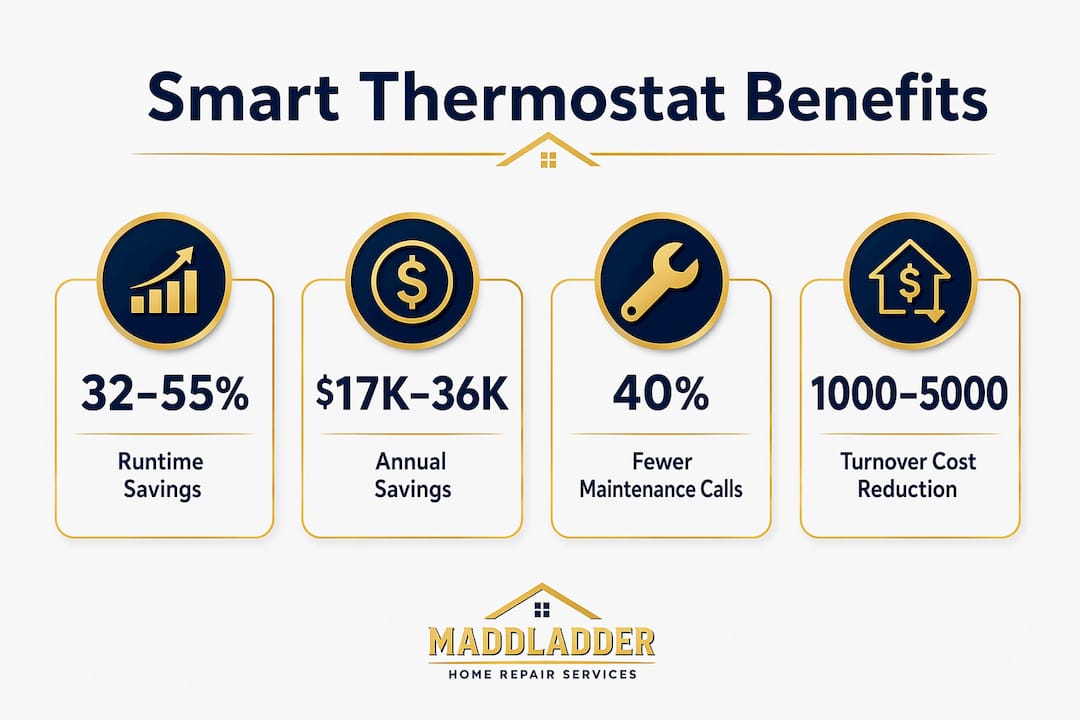
Tenant satisfaction is a direct revenue driver. Tenant turnover costs average $1,000–$5,000 per unit, covering cleaning, repairs, lost rent, and leasing fees. A 5% improvement in renewal rates from smart thermostat installation can offset the device cost in the first year. That math makes smart thermostats one of the highest-return amenity upgrades available to landlords.
Tenants benefit in three concrete ways. First, app-based scheduling lets them set weekday and weekend temperature programs without touching a wall panel. Second, lower utility bills follow from better scheduling habits that the app makes easy to build. Third, consistent comfort, especially in older buildings with unreliable HVAC, builds trust in the landlord and the property.
Tech upgrades like smart thermostats attract quality tenants who stay longer. Renters who value a well-maintained, tech-forward unit are also more likely to report maintenance issues early, which protects the property further.
Benefits tenants experience directly:
- Smartphone control from anywhere, including pre-cooling the unit before arriving home
- Transparent energy use data that helps them manage utility costs
- Reliable comfort without calling the landlord for temperature adjustments
- Scheduling tools that match their actual routines, not a generic factory program
Pro Tip: When onboarding a new tenant, walk them through the thermostat app during the move-in walkthrough. Tenants who understand the device use it correctly and call you less.
What features should landlords look for in a smart thermostat?
Choosing the right device for a rental is different from choosing one for your own home. The priorities shift toward durability, remote control, and tenant-proof settings rather than premium display quality or voice assistant integration.
Usability and interface design
Overly complex devices increase support calls and tenant frustration. The best smart thermostats for landlords have large, readable displays and simple controls that any tenant can operate without a tutorial. Ecobee and Google Nest both score well here. A tenant who cannot figure out the thermostat will call you. A tenant who can will not.
Remote access and centralized dashboards
Enterprise dashboards enable portfolio-wide monitoring, immediate remote setpoint changes, and proactive maintenance alerts. For landlords managing more than three units, a centralized dashboard is not optional. It is the difference between spending 20 minutes a week on HVAC management and spending 20 minutes per unit.
Compatibility and wiring requirements
Older properties often lack the C-wire that most smart thermostats require for continuous power. Compatibility checks before purchase prevent wasted installation trips. Adapters exist for most situations, but they add cost and complexity. Always verify HVAC system type (single-stage, multi-stage, heat pump) before ordering.
Feature comparison for rental use
| Feature | Why it matters for rentals |
|---|---|
| Temperature limit settings | Prevents tenants from setting extreme temperatures that strain HVAC equipment |
| Vacancy mode | Cuts energy waste automatically between tenancies |
| Offline fallback schedule | Maintains HVAC function during Wi-Fi outages without landlord intervention |
| Centralized dashboard | Manages multiple units from one login |
| C-wire compatibility | Required for reliable power in most installations |
Pro Tip: Set hard temperature limits on every unit, not suggested ranges. Tenant-proofing by locking the thermostat between 60°F and 80°F prevents equipment damage from extreme settings and reduces wear on the HVAC system.
Best practices for implementing smart thermostats across your portfolio
Installation is the easy part. The operational setup that follows determines whether you capture the full savings potential or end up with a collection of expensive wall panels that tenants ignore.
-
Run a compatibility audit first. Before purchasing devices, document the HVAC system type and wiring configuration in every unit. Flag any units that need C-wire adapters or system upgrades. This prevents installation delays and return trips.
-
Configure vacancy mode before the first tenant moves in. Set the vacancy setback temperature (typically 55°F in winter, 85°F in summer) and connect the device to your property management platform. Vacancy mode should activate automatically, not require a manual step.
-
Set temperature limits at installation. Lock the minimum and maximum setpoints during setup. This protects the HVAC system and removes a common source of tenant disputes about utility bills.
-
Use the dashboard for weekly portfolio reviews. Spend ten minutes each week scanning runtime data across all units. Unusual patterns, such as a unit running continuously or failing to reach setpoint, signal a maintenance issue before it becomes an emergency. Proactive maintenance scheduling reduces emergency service costs significantly.
-
Plan for connectivity failures. Smart thermostats with offline fallback schedules maintain HVAC function during Wi-Fi outages. Connectivity fatigue is a real operational challenge in rental properties. Choose devices that run a pre-programmed schedule when the internet drops rather than defaulting to a fixed temperature or shutting off entirely.
-
Document the setup for each unit. Keep a record of the device model, firmware version, Wi-Fi network, and temperature limits for every unit. This makes troubleshooting faster and simplifies handoffs when you add a property manager or maintenance technician to your team.
Balancing tenant privacy with remote access is a legitimate concern. Landlords can see runtime data and adjust setpoints, but they cannot monitor tenant behavior through a thermostat. Disclose remote access capabilities in the lease and explain the purpose. Transparency prevents disputes and builds trust.
Key Takeaways
Smart thermostats deliver the strongest returns in rental properties when vacancy automation, tenant-proof settings, and centralized monitoring are configured correctly from day one.
| Point | Details |
|---|---|
| Vacancy mode saves the most money | Runtime reductions of 32–55% are achievable when vacancy mode activates automatically between tenancies. |
| Maintenance calls drop significantly | Smart HVAC controls reduce service calls by 40%, cutting emergency dispatch costs across a portfolio. |
| Tenant retention improves | A 5% renewal rate improvement from smart thermostat installation can offset device costs within the first year. |
| Compatibility must be verified first | Older properties often lack C-wire wiring, so a compatibility audit before purchase prevents wasted installation trips. |
| Offline fallback is non-negotiable | Devices without pre-programmed fallback schedules create temperature emergencies during Wi-Fi outages. |
What landlords get wrong about smart thermostats
Most landlords treat smart thermostats as a tenant amenity. That framing leads to poor device selection and missed savings. The real value is operational visibility. A landlord who can see runtime data across 15 units, spot an HVAC system running 30% longer than normal, and dispatch a technician before the unit goes down is managing proactively. That is a fundamentally different operation than waiting for a 2 a.m. call about no heat.
I have seen landlords buy premium consumer devices because they look good in listing photos, then struggle with complex setup menus and tenant support calls. The right device for a rental is the one a tenant can operate without a manual and a landlord can manage without logging into three separate apps. Simplicity is not a compromise. It is the specification.
The other mistake is skipping the compatibility audit. Installing a smart thermostat in a 1970s building without checking for C-wire wiring is a reliable way to turn a $150 device into a $400 installation job. Do the audit first. The property maintenance guide for landlords covers this kind of pre-installation checklist in practical detail.
Smart thermostats are worth it. But only when the setup matches the property, the tenant, and the management workflow.
— Jennifer
Get your rental properties set up the right way
Maddladder installs smart thermostats for landlords and property managers across the Kansas City metro area. Every installation includes an HVAC compatibility check, C-wire assessment, temperature limit configuration, and a walkthrough of the landlord dashboard so you leave knowing exactly how to manage your units remotely.
Whether you manage one rental or a portfolio of 20, Maddladder's smart home upgrade services cover the full installation from wiring to app setup. No guesswork, no return trips for missed compatibility issues. Request a free estimate and get your units running efficiently before the next turnover.
FAQ
What does a smart thermostat actually do in a rental property?
A smart thermostat controls HVAC temperature remotely via Wi-Fi, automates vacancy schedules, and sends maintenance alerts to the landlord. It replaces manual programming with app-based control accessible from any device.
Are smart thermostats worth it for landlords?
Smart thermostats reduce energy costs by 15–25% and cut maintenance calls by 40%, making them one of the highest-return upgrades available for rental properties. The payback period shortens further when improved tenant retention is factored in.
Do smart thermostats work in older rental properties?
Most older properties lack the C-wire that smart thermostats require for continuous power. A compatibility check and adapter installation resolves this in most cases, but the audit must happen before purchase.
Can a landlord control the thermostat without the tenant knowing?
Landlords can adjust setpoints and view runtime data remotely, but best practice is to disclose this capability in the lease. Transparency prevents disputes and most tenants accept remote access when the purpose is explained clearly.
What happens to a smart thermostat when the Wi-Fi goes down?
Devices with offline fallback schedules maintain their pre-programmed temperature settings during outages. Thermostats without this feature can default to a fixed temperature or stop responding, which creates comfort and safety issues in extreme weather.