
TL;DR:
- Upgrading kitchen fixtures in rentals provides over 100% ROI with targeted, durable updates. These fixes attract tenants, reduce maintenance, and support rent increases; standardizing fixtures improves repair efficiency. Investing in quality fixtures upfront costs less long term and enhances lease renewals through modern, functional kitchens.
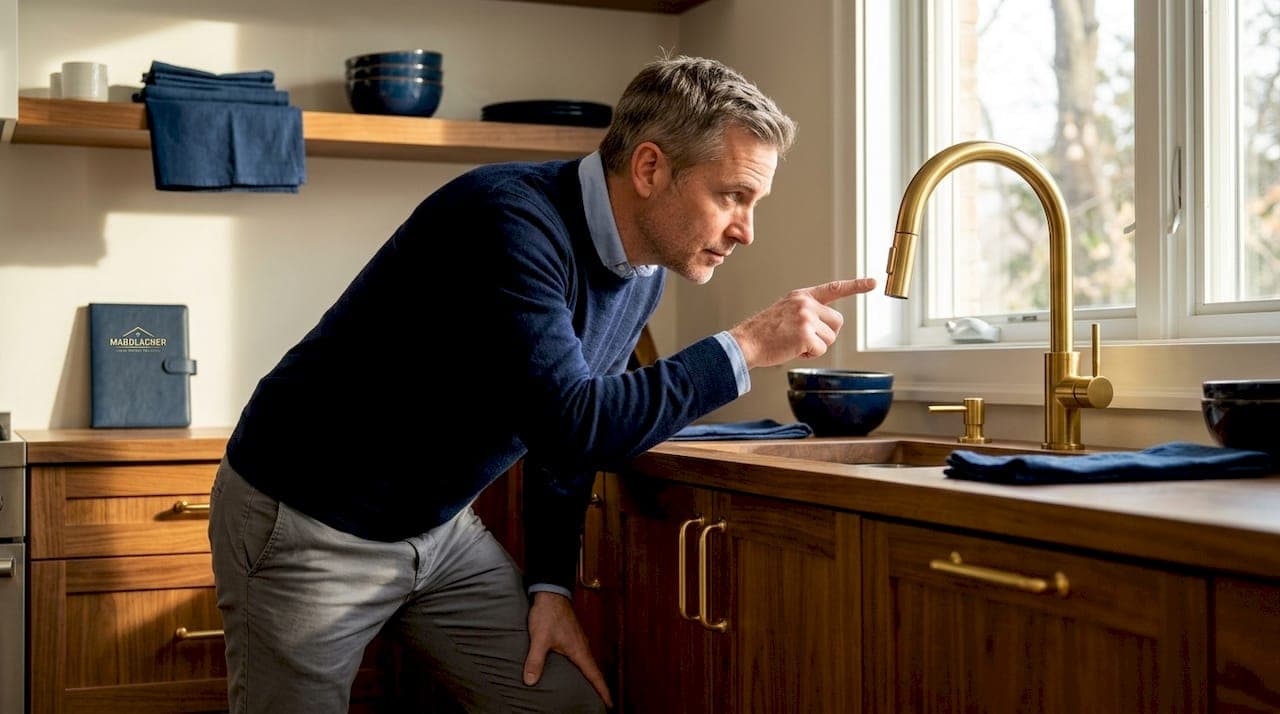
Upgrading kitchen fixtures in rentals is one of the highest-return investments a landlord can make. Minor kitchen updates, including cabinet refacing, hardware swaps, and lighting replacements, yield a 113% ROI and support rent increases of $150–$300 per month. Kitchens and bathrooms are the spaces tenants scrutinize most during showings, and updated fixtures strongly influence both rental decisions and lease renewals. The goal is not a luxury remodel. The goal is targeted, durable upgrades that attract quality tenants, reduce maintenance calls, and protect your cash flow.
Why upgrade kitchen fixtures rentals: the financial case
The return on kitchen fixture upgrades depends entirely on scope. Minor refreshes consistently outperform full remodels in rental settings.
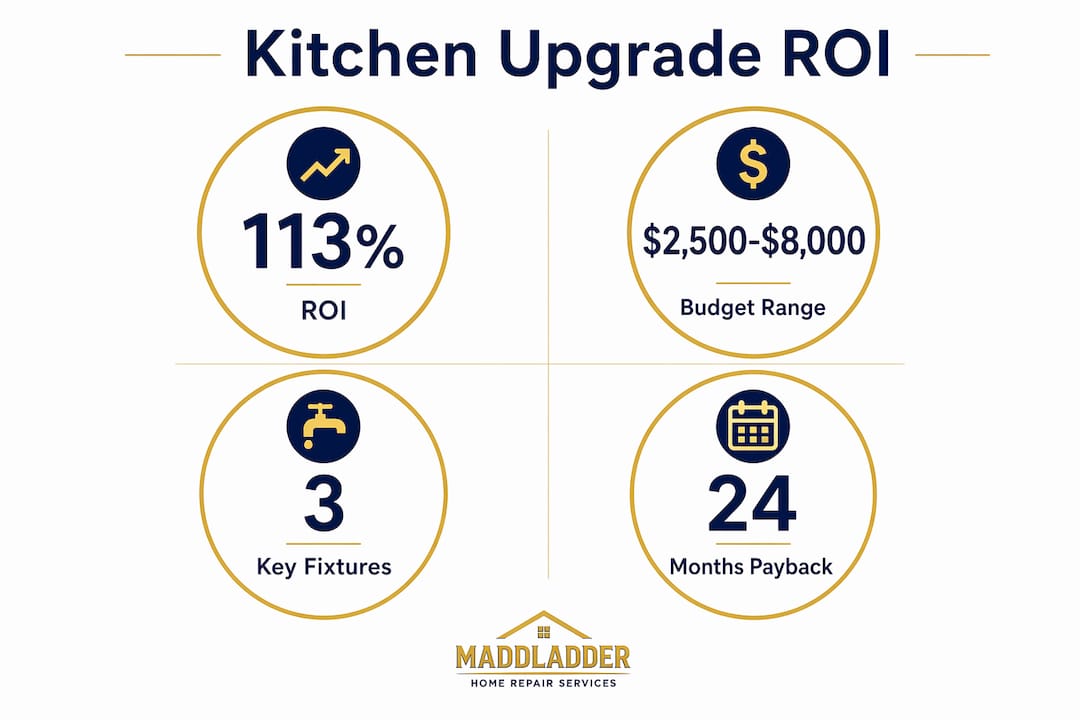
A minor kitchen update, covering cabinet refacing, new hardware, faucet replacement, and LED lighting, delivers roughly 113% ROI. A major upscale overhaul returns closer to 51%. That gap exists because tenants do not pay premium rent for granite countertops. They pay for clean, functional, and modern.
The math works like this. A targeted renovation budget of $2,500–$8,000 with a payback period under 24 months maximizes your cash flow without tying up capital. A $150 monthly rent increase on a $3,000 fixture refresh pays back in 20 months. After that, every month is pure gain.
Key financial benchmarks for kitchen fixture upgrades:
- Minor update ROI: 113% (cabinet refacing, hardware, lighting, faucet)
- Major remodel ROI: 51% (full gut renovation)
- Typical rent increase: $150–$300 per month after targeted upgrades
- Payback period: 18–38 months depending on scope and market
- Recommended budget range: $2,500–$8,000 for maximum cash flow impact
Pro Tip: Focus your budget on the three fixtures tenants notice first: the faucet, the cabinet hardware, and the overhead lighting. These three items cost under $800 combined and produce the strongest visual return per dollar spent.
One more number worth knowing: a cheap $6,000 kitchen lasting six years costs about $13,398 over 12 years once you factor in replacement and labor. A higher-quality $8,000 kitchen lasting 12 years costs $8,000 over that same period. Buying cheap costs more. That is the core financial argument for investing in quality fixtures upfront.
How do upgraded kitchen fixtures impact tenant attraction and retention?
Tenants do not walk into a kitchen and think about resale value. They think about whether the space feels clean, functional, and cared for. Tenants prioritize cleanliness, functionality, and modern looks over luxury brand names. A spotless matte-finish faucet signals a well-maintained property far more effectively than an expensive appliance package.
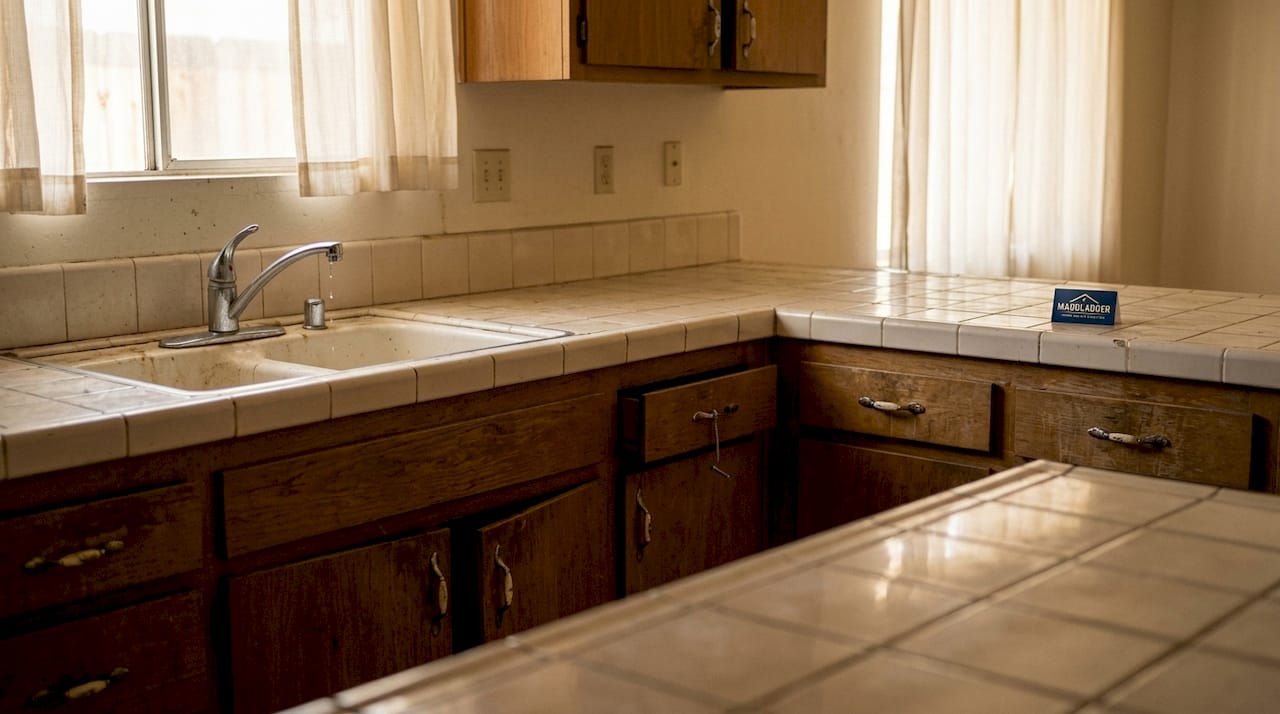
Outdated fixtures send the opposite message. Outdated fixtures signal poor maintenance and discourage prospective tenants before they even open a cabinet. Simple replacements, faucets, hardware, and lighting, reverse that impression quickly and at low cost.
Lighting upgrades carry a specific advantage in the listing process. Modern LED fixtures increase showing conversions by improving listing photos and in-person impressions. Bright, even kitchen lighting photographs well, and a well-lit listing photo gets more clicks. More clicks mean shorter vacancy periods.
Functional upgrades also reduce tenant turnover. When a faucet drips or a cabinet hinge fails, tenants notice. Repeated small failures erode trust and push tenants toward not renewing. Replacing fixtures before they fail removes that friction entirely. You can read more about timing fixture replacements to stay ahead of tenant complaints.
Pro Tip: Before listing a vacant unit, replace the kitchen faucet aerator, tighten all cabinet hardware, and swap any burned-out bulbs for LEDs. This takes under two hours and costs under $50. It changes how the kitchen photographs and how it feels in person.
What kitchen fixture upgrades give landlords the best value?
The best upgrades for rental kitchens share three traits: they are durable, easy to clean, and simple to replace when needed. Luxury finishes fail this test. High-maintenance finishes that show fingerprints and scuffs wear out quickly in rental settings and require frequent replacement. Matte or brushed finishes hide daily wear far better.
Here are the upgrades that deliver the strongest value per dollar in rental kitchens:
-
Cabinet refacing or repainting. Replacing cabinet doors or applying a fresh coat of paint costs a fraction of full replacement. It produces an immediate visual upgrade that photographs well and impresses tenants during showings. You can see real-world results from a rental kitchen transformation done on a tight budget.
-
LED lighting fixtures. Swap fluorescent or incandescent fixtures for LED equivalents. LEDs last longer, use less energy, and require fewer replacements. They also improve the color and brightness of listing photos.
-
Faucet replacement. A mid-range faucet with a ceramic disc cartridge resists dripping and lasts years without service. Choose a brushed nickel or matte black finish that hides water spots and minor scratches.
-
Cabinet hardware upgrades. New pulls and knobs cost $2–$5 per piece and take minutes to install. They change the entire feel of a kitchen for under $100 in most units.
-
Under-cabinet lighting. Plug-in LED strips add warmth and functionality without any electrical work. Tenants notice them, and they photograph beautifully.
When selecting fixtures, prioritize standardization. Choose one faucet model, one hardware style, and one lighting fixture across all your units. Standardization simplifies ordering, speeds repairs, and reduces the time your maintenance team spends sourcing parts.
What maintenance benefits come from upgrading kitchen fixtures?
Proactive fixture upgrades reduce emergency repair calls. Replacing fixtures before they fail cuts costly emergency callouts, lowers labor costs, and reduces vacancy risk by keeping tenants comfortable. An emergency plumber call on a Sunday costs five to ten times more than a scheduled faucet replacement during a routine visit.
Standardizing fixtures across your portfolio simplifies repair logistics, reduces inventory complexity, and speeds maintenance turnaround. When every unit uses the same faucet model, your maintenance tech carries one replacement part and completes the job in 30 minutes. Without standardization, the same job requires sourcing, ordering, and a second trip.
Durable finishes also reduce cleaning labor between tenancies. Matte surfaces resist showing grime and scuffs. Tenants leave units in better condition when the surfaces are forgiving. That means less prep work and lower turnover costs for you.
Operational benefits of upgrading kitchen fixtures:
- Fewer emergency repair calls from proactive replacement
- Faster maintenance turnaround through standardized fixture specs
- Lower cleaning and prep costs between tenancies with durable finishes
- Reduced tenant dissatisfaction from repeated small failures
- Predictable replacement schedules instead of reactive patchwork repairs
Pro Tip: Create a fixture spec sheet for each property type in your portfolio. List the exact make and model of every faucet, light fixture, and cabinet pull. When something breaks, your tech orders the replacement without calling you. That one document saves hours per year.
For landlords managing multiple units, a 2026 landlord update guide covers how to plan and sequence upgrades across a portfolio without disrupting tenants or cash flow. Upgrading plumbing fixtures specifically also deserves attention. You can review residential plumbing upgrade options to identify which kitchen plumbing changes deliver the fastest payback.
Key Takeaways
Upgrading kitchen fixtures in rental units delivers over 100% ROI on minor updates, reduces maintenance costs, and directly improves tenant retention and vacancy rates.
| Point | Details |
|---|---|
| Minor updates outperform major remodels | Cabinet refacing, hardware, and lighting yield 113% ROI versus 51% for full renovations. |
| Budget between $2,500 and $8,000 | Targeted upgrades in this range pay back within 24 months and maximize cash flow. |
| Tenants value function over luxury | Durable, clean, and modern fixtures build tenant trust and support lease renewals. |
| Standardize fixtures across units | One fixture spec across your portfolio cuts repair time and simplifies inventory. |
| Cheap fixtures cost more long-term | A low-cost kitchen can cost nearly double over 12 years once labor and replacement are factored in. |
The upgrade that actually pays off: a landlord's perspective
Most landlords I talk to make the same mistake. They either overspend on luxury finishes that tenants do not value, or they defer upgrades until something breaks and then pay emergency rates to fix it. Neither approach builds a profitable portfolio.
The landlords who consistently outperform their market do one thing differently. They treat fixture upgrades as scheduled maintenance, not reactive repairs. They pick durable, standardized fixtures, install them proactively, and never think about that unit again for five years. That is not glamorous. It is just good business.
The tenant-proofing principle matters here. A brushed nickel faucet with a ceramic cartridge does not impress anyone at a dinner party. It also does not drip, corrode, or require a service call at 9:00 PM on a Friday. That is the fixture you want in your rental. Choosing fixtures based on what holds up rather than what looks impressive is the single most underrated skill in property management.
One more thing: the kitchen is the first room tenants photograph when they are deciding whether to apply. A clean, bright, updated kitchen in a listing photo generates more applications. More applications mean you can be selective. Being selective means better tenants and fewer problems. The return on a $500 kitchen refresh compounds in ways that never show up in a simple ROI calculation.
— Jennifer
Maddladder handles your rental fixture upgrades in Kansas City
Landlords in the Kansas City metro area have a direct path to getting these upgrades done without managing multiple contractors or scheduling headaches. Maddladder specializes in fixture repair and replacement, minor plumbing and electrical work, and smart home installations tailored for rental properties.

Maddladder's repair and replacement services cover everything from faucet swaps and cabinet hardware installs to LED lighting upgrades and under-cabinet fixtures. For landlords adding tech appeal to units, smart home upgrade packages include thermostats and cameras that attract tenants willing to pay more. Free estimates, flexible scheduling, and a Property Manager subscription plan make it straightforward to keep every unit in top condition without disrupting your tenants.
FAQ
What is the ROI on minor kitchen fixture upgrades in rentals?
Minor kitchen updates including cabinet refacing, hardware replacement, and lighting swaps yield approximately 113% ROI. Major full-kitchen renovations return closer to 51%, making targeted fixture upgrades the stronger financial choice for landlords.
How much should a landlord budget for kitchen fixture upgrades?
A targeted renovation budget of $2,500–$8,000 with a payback period under 24 months maximizes cash flow for most rental properties. This range covers faucet replacement, cabinet hardware, LED lighting, and cabinet refacing without over-investing.
Do kitchen upgrades actually help attract and keep tenants?
Tenants prioritize clean, functional, and modern kitchens over luxury finishes. Updated fixtures signal a well-maintained property and directly influence both initial rental decisions and lease renewal rates.
Why do cheap fixtures cost more in the long run?
A lower-cost kitchen installed at $6,000 can cost roughly $13,398 over 12 years once replacement and labor are included. A quality $8,000 kitchen lasting the full 12 years costs $8,000 total, making the upfront investment the more economical choice.
What kitchen fixtures should landlords upgrade first?
Faucets, cabinet hardware, and overhead lighting deliver the highest visual impact per dollar. These three items are also the most frequently noticed by tenants during showings and the easiest to standardize across multiple units.