
TL;DR:
- Upgrading residential plumbing involves replacing pipes, fixtures, and water heaters to improve efficiency and prevent costly repairs.
- Key improvements include PEX piping, WaterSense fixtures, tankless water heaters, and proactive DWV system inspections, which maximize long-term savings.
- Bundling these upgrades during remodels reduces labor costs, avoids future issues, and enhances overall home reliability and water conservation.
Residential plumbing upgrades are targeted improvements to pipes, fixtures, and water heaters that increase home efficiency, reduce water waste, and extend system lifespan. The types of residential plumbing upgrades available today cover everything from swapping out a corroded supply line to installing a tankless water heater or a smart leak detection system. For homeowners and property managers in the Kansas City metro area, knowing which upgrades deliver the best return helps you spend smarter and avoid reactive repair costs. This guide breaks down the most impactful plumbing system enhancements by category so you can plan with confidence.
1. Supply pipe material upgrades
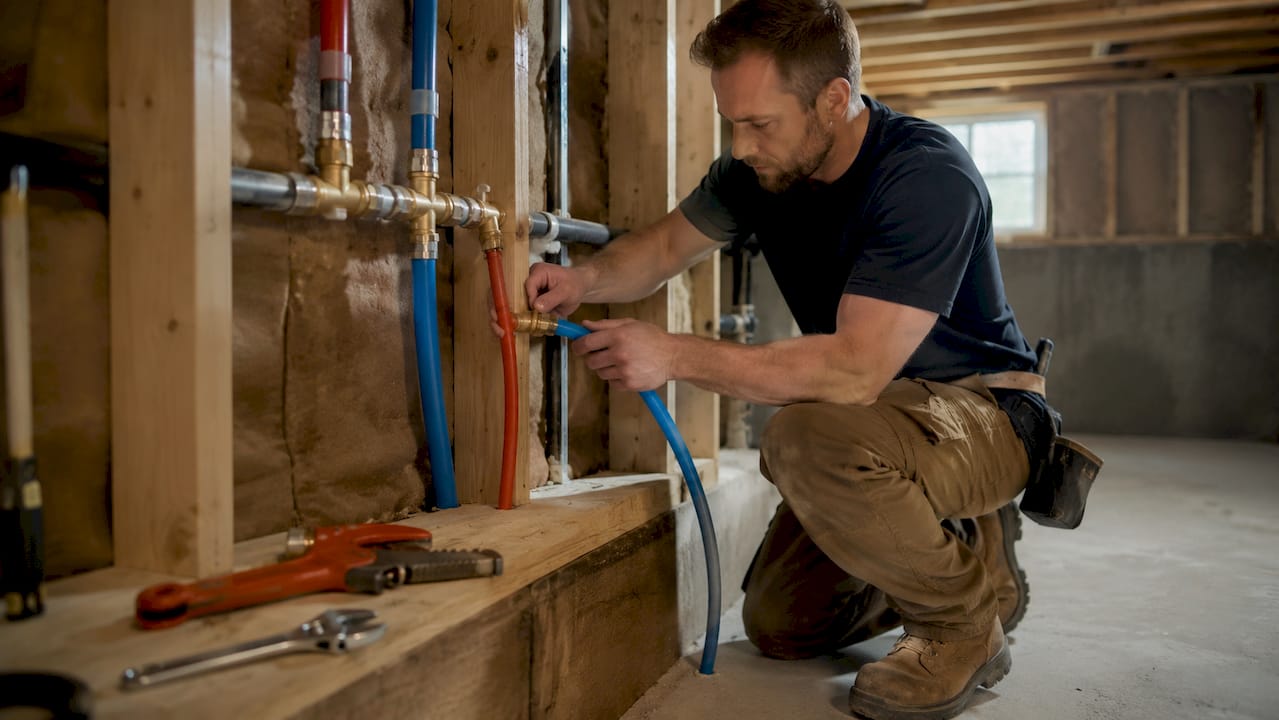
PEX piping is flexible, corrosion-resistant, and the preferred choice for retrofit plumbing replacements in most residential projects today. Copper remains highly durable and carries a proven track record, but its material and labor costs run significantly higher than PEX. CPVC sits in the middle: rigid like copper, cheaper than copper, but less forgiving in freeze-prone areas. Your material choice directly affects installation cost, long-term durability, and how well the pipe performs under your local water chemistry.
Repiping an entire home is a major investment, but partial pipe replacement in problem areas delivers measurable results at a fraction of the cost. Corroded or pinhole-leaking sections in older copper or galvanized steel lines are the most common trigger for this upgrade. Replacing those sections with PEX eliminates recurring leak calls and often improves water pressure noticeably. Note that building codes may restrict certain connection types for PEX in some jurisdictions, so confirm local requirements before purchasing materials.
| Pipe material | Best use case | Key advantage | Key limitation |
|---|---|---|---|
| PEX | Retrofits, tight spaces | Flexible, freeze-resistant | Code restrictions in some areas |
| Copper | New construction, high-end remodels | Proven durability | Higher material and labor cost |
| CPVC | Budget-conscious upgrades | Rigid, affordable | Brittle in extreme cold |
Pro Tip: Schedule pipe upgrades during any open-wall remodel. Accessing pipes while walls are already open cuts labor costs significantly and avoids a second round of drywall repair.
2. High-efficiency toilet upgrades
WaterSense-labeled toilets must use no more than 1.28 gallons per flush, compared to the 1.6 gpf standard that was common for decades. That reduction adds up fast in a household with multiple occupants or a multi-unit rental property. Manufacturers like Kohler and American Standard achieve this through optimized trapway geometry and hydraulic improvements that maintain strong flush performance with less water. Replacing a single older toilet with a WaterSense model is one of the most cost-effective bathroom plumbing upgrades available.
Dual-flush toilets take efficiency a step further by offering a half-flush option for liquid waste and a full flush for solid waste. These are particularly popular in bathroom remodels where the homeowner wants visible, tangible proof of conservation. Installation is straightforward for most standard rough-in dimensions, and most models are retrofit-friendly without requiring new floor work.
3. Low-flow showerhead and faucet upgrades
EPA WaterSense showerheads operate at 2.0 gpm or less while maintaining satisfying spray coverage through aeration and pressure-compensating technology. Brands like Delta and Moen have engineered models that feel indistinguishable from older high-flow heads in daily use. This matters because the most common objection to low-flow fixtures is the fear of a weak shower. That concern is outdated. Water efficiency standards now couple flow reduction with performance criteria to confirm no compromise on user experience.
WaterSense faucets for kitchens and bathrooms follow the same principle, capping flow at 1.5 gpm for bathroom faucets without reducing perceived pressure. Touchless faucets from brands like Moen and Kohler add a hygiene benefit and eliminate the water waste from leaving a tap running while washing hands or brushing teeth. These fixture upgrades boost home value and are among the easiest common plumbing upgrades a homeowner can complete in an afternoon with basic tools.
Pro Tip: When upgrading faucets, replace the supply lines at the same time. Supply lines are inexpensive, and the labor is already done. Skipping this step is the most common cause of a leak callback within 12 months.
4. Tankless water heater upgrades
Tankless water heaters heat water on demand, eliminating the standby energy loss that occurs when a traditional tank keeps 40 to 80 gallons of water hot around the clock. Efficiency is measured by the Uniform Energy Factor (UEF), and tankless models consistently outperform traditional tank units on this metric. The practical result is a lower monthly energy bill and an unlimited supply of hot water as long as the unit is properly sized for your household's peak demand.
Key considerations when planning a water heater upgrade:
- Fuel type: Gas tankless units deliver higher flow rates than electric models, making them better suited for larger homes or properties with multiple bathrooms.
- Sizing: A unit's flow rate (measured in gallons per minute) must match your simultaneous hot water demand. Undersizing is the most common installation mistake.
- Venting: Gas units require dedicated venting, which adds installation cost in homes not previously set up for it.
- Space savings: Tankless units mount on a wall and free up significant floor space compared to traditional tank models, a real advantage in utility closets or tight mechanical rooms.
Timing a water heater upgrade during a kitchen or bathroom remodel is ideal. The plumber is already on-site, permits can be combined, and any necessary gas or electrical work gets done in a single mobilization.
5. Drain-waste-vent (DWV) system upgrades
The drain-waste-vent system is the part of residential plumbing most homeowners never think about until something goes wrong. DWV system inspections and upgrades prevent odors, gurgling drains, and slow drainage by confirming that vent pipes are clear, properly sized, and connected correctly. Older homes with cast iron or ABS drain lines may have cracked or offset joints that allow sewer gas to enter living spaces. A camera inspection of the drain lines is a low-cost diagnostic that can prevent a much more expensive problem.
Homeowners rarely detect DWV issues until symptoms appear, which makes proactive inspection one of the most overlooked residential plumbing improvements available. Property managers overseeing multiple units should treat DWV inspections as a scheduled maintenance item rather than a reactive repair. Replacing deteriorated vent pipe sections or adding a missing air admittance valve resolves chronic drain problems that tenants often report as recurring nuisances.
6. Smart leak detection and automatic shutoff systems
Smart leak detection represents one of the highest-value plumbing system enhancements available in 2026. Smart leak detection and automatic shutoff valves reduce damage by alerting homeowners and controlling water flow the moment a leak is detected. This means a burst pipe or running toilet at 2 a.m. triggers an alert to your phone and shuts off the water supply automatically, rather than flooding a finished basement. Systems from brands like Moen Flo and Phyn monitor flow patterns continuously and can detect slow leaks that would otherwise go unnoticed for months.
For property managers, the return on investment is particularly clear. A single water damage event can cost tens of thousands of dollars in restoration, far exceeding the cost of a whole-home leak detection system. Pairing a smart shutoff valve with smart home upgrades like connected thermostats and security cameras creates a fully monitored property that reduces both risk and insurance premiums in many cases.
7. Kitchen plumbing renovations and fixture upgrades
Kitchen plumbing renovations go beyond swapping a faucet. A full kitchen upgrade can include replacing the supply lines, adding a dedicated filtered water line for a refrigerator or under-sink filter, upgrading to a pull-down or touchless faucet, and installing a garbage disposal or replacing an aging one. Each of these improvements addresses a specific pain point: water quality, convenience, or reliability. Bundling them during a kitchen remodel is the most cost-effective approach, since scheduling upgrades together reduces labor costs and avoids multiple service visits.
Upgrading to a WaterSense kitchen faucet with a pull-down sprayer is one of the most popular kitchen plumbing upgrades because it combines water savings with a visible aesthetic improvement. Brands like Kohler, Delta, and Moen offer models across a wide price range, and most are designed for straightforward DIY or handyman installation. If your kitchen has older galvanized supply lines under the sink, replacing them with braided stainless steel lines at the same time eliminates a common source of slow leaks.
8. Whole-home water filtration and treatment upgrades
Whole-home water filtration is a plumbing upgrade that protects every fixture and appliance in the house simultaneously. A point-of-entry filtration system installs on the main supply line and removes sediment, chlorine, and in some cases heavy metals before water reaches any tap, shower, or appliance. This extends the life of water heaters, dishwashers, and washing machines by reducing mineral buildup. In areas with hard water, pairing a whole-home filter with a water softener is the most effective combination for protecting plumbing infrastructure long-term.
For homeowners on municipal water supplies, a carbon filtration system addresses taste and odor concerns that a basic sediment filter cannot. For well water users, a more targeted treatment system addressing iron, sulfur, or bacteria may be required based on a water quality test. The minor plumbing repairs and upgrades that extend appliance life are often the ones that get overlooked until a water heater fails prematurely or a dishwasher develops scale buildup.
Key takeaways
The most cost-effective residential plumbing improvements combine pipe, fixture, and water heater upgrades during open-wall remodels to reduce labor and maximize long-term savings.
| Point | Details |
|---|---|
| Pipe material matters | PEX is the top retrofit choice for flexibility and corrosion resistance at lower cost than copper. |
| WaterSense fixtures save water | Toilets at 1.28 gpf and showerheads at 2.0 gpm cut usage without reducing performance. |
| Tankless heaters cut energy waste | On-demand heating eliminates standby loss and delivers unlimited hot water when properly sized. |
| DWV inspections prevent surprises | Proactive drain and vent inspections catch hidden failures before they become costly repairs. |
| Smart leak detection pays off | Automatic shutoff systems protect against major water damage events for a fraction of restoration costs. |
What I've learned from bundling plumbing upgrades
The single most expensive mistake I see homeowners make is treating plumbing upgrades as isolated events. They replace a toilet this year, a water heater next year, and then discover corroded supply lines the year after that. Each visit costs a full mobilization fee, and the disruption adds up fast. The math changes completely when you bundle adjacent improvements during a remodel or any project that already has walls open.
The second thing I'd push back on is the tendency to focus only on visible fixtures. A new faucet looks great, but if the supply lines behind it are original to a 1970s build, you've decorated over a problem. The DWV system and the pipe infrastructure behind the walls are where the real reliability lives. Smart leak detection is the one upgrade I'd recommend to every property manager without exception. The cost is modest, the protection is real, and it signals to tenants that the property is professionally managed.
System commissioning and code compliance after any plumbing upgrade is a step that gets skipped more often than it should. Testing to code and documenting the work protects you at resale and prevents callbacks. Treat it as part of the job, not an optional add-on.
— Jennifer
Ready to upgrade your home's plumbing?
Maddladder handles the full range of residential plumbing improvements for homeowners and property managers across the Kansas City metro area. From pipe replacements and fixture installs to smart leak detection systems and water heater upgrades, every job is done to code with licensed professionals who show up on time.

Whether you need a single fixture swapped or a complete plumbing and electrical overhaul, Maddladder offers free estimates and flexible scheduling to fit your timeline. Contact Maddladder today to get a free estimate and find out which upgrades make the most sense for your property.
FAQ
What are the main types of residential plumbing upgrades?
The three core categories are supply-pipe upgrades, fixture upgrades, and water heater upgrades. Each addresses a different aspect of home plumbing: reliability, water conservation, and energy efficiency.
Which plumbing upgrade saves the most water?
WaterSense-labeled toilets and showerheads deliver the largest per-use water savings. Toilets capped at 1.28 gpf and showerheads at 2.0 gpm reduce household water consumption significantly without affecting performance.
Is a tankless water heater worth the upgrade cost?
Yes, for most homes. Tankless water heaters eliminate standby energy loss, lower monthly energy bills, and provide on-demand hot water. The upfront cost is higher than a tank unit, but the long-term savings and space benefits justify the investment for most homeowners.
When is the best time to upgrade home plumbing?
The best time is during any remodel or renovation that already has walls open. Bundling pipe, fixture, and water heater upgrades during a single project reduces total labor cost and minimizes household disruption.
What is a DWV system and why does it need upgrading?
DWV stands for drain-waste-vent, the network of pipes that removes wastewater and vents sewer gas out of the home. Aging or damaged DWV components cause odors, slow drains, and gurgling, and proactive inspection prevents these issues before they escalate.