
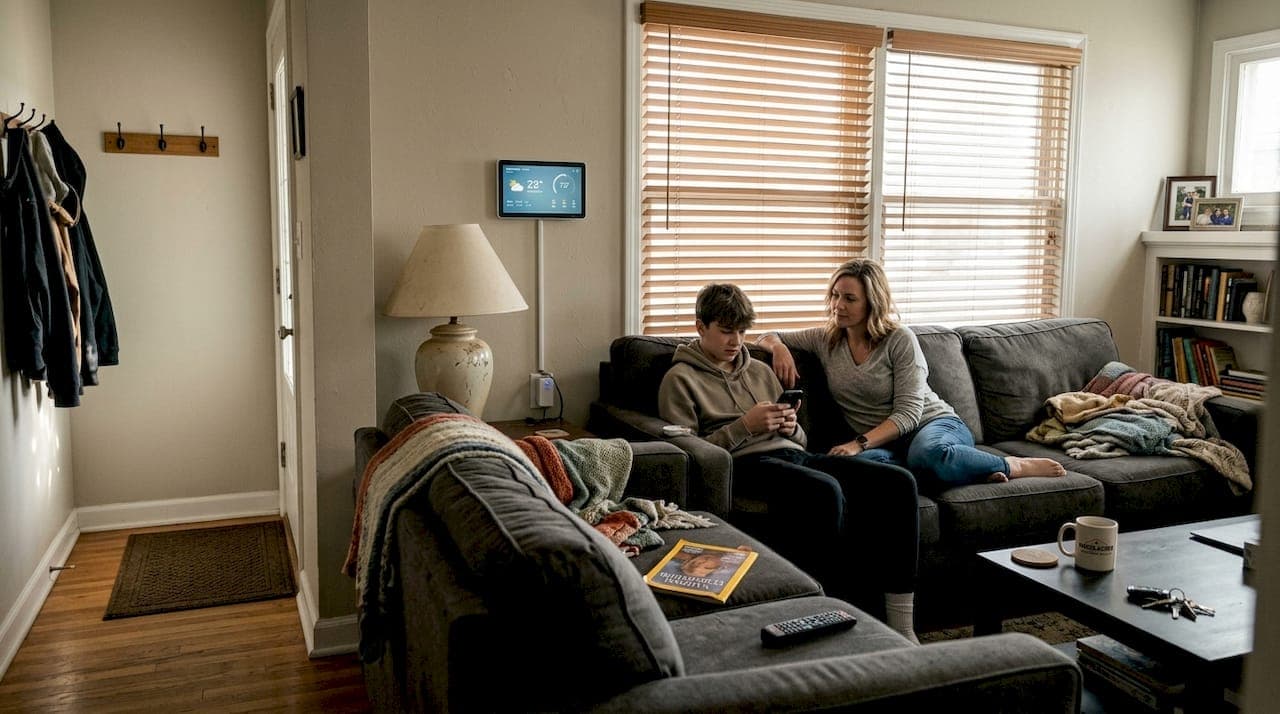
Choosing the right smart home upgrades for your Kansas City property shouldn't feel overwhelming. With so many devices promising energy savings and enhanced security, it's tough to know where to start. Local factors like harsh winters, building construction, and return on investment all play a role in making smart decisions. This guide cuts through the confusion by providing clear criteria, practical examples, and side-by-side comparisons of the most effective smart home technologies for KC homeowners and property managers. You'll discover which upgrades deliver real value, how to match devices to your property type, and actionable steps to improve efficiency and security without breaking the bank.
Table of Contents
- Key takeaways
- Setting criteria for smart home upgrades in Kansas City
- Examples of smart thermostats and smart plugs for energy efficiency
- Smart security upgrades: locks, sensors, and video doorbells
- Comparison table of smart home upgrade options and recommendations
- Enhance your Kansas City property with expert smart home upgrades
- FAQ
Key Takeaways
| Point | Details |
|---|---|
| Energy and insurance ROI | Smart upgrades deliver lower utility bills and insurance discounts, accelerating payback. |
| Climate driven heating focus | Kansas City's cold winters make heating efficiency a priority for smart thermostats and related controls. |
| Connectivity challenges | Older wood frame homes usually handle WiFi well, while concrete and brick buildings may require ZWave mesh networks or cellular IoT for reliable connectivity. |
| Phased rollout approach | Start with standalone devices you can install yourself and expand to integrated systems as you learn. |
| Thermostats maximize savings | Smart thermostats can cut energy use by 10 to 23 percent with payback in two to three years, especially when paired with utility rebates. |
Setting criteria for smart home upgrades in Kansas City
Before diving into specific devices, establish clear selection criteria that match your property goals and Kansas City's unique conditions. The best upgrades deliver measurable returns through lower utility bills, reduced insurance costs, or increased property appeal. Starting with small upgrades like thermostats and security cameras lets you test the technology before committing to full automation.
Kansas City's climate demands special attention to heating efficiency. Winter temperatures regularly drop below freezing, making smart thermostats and heating controls particularly valuable. These devices learn your schedule and adjust temperatures automatically, cutting energy waste without sacrificing comfort. Document your baseline energy costs before installation so you can track actual savings and prove ROI to stakeholders or future buyers.
Building construction significantly impacts device selection. Older homes with wood framing handle Wi-Fi signals well, but concrete and brick structures common in multifamily properties create dead zones. In these situations, Z-Wave mesh networks or cellular IoT devices provide more reliable connectivity than traditional Wi-Fi systems. Test your current Wi-Fi coverage before purchasing devices to avoid frustration and returns.
Insurance benefits add another layer of value to security upgrades. Many carriers offer discounts when you install verified smart security systems, offsetting installation costs faster than energy savings alone. Request documentation from your installer to submit to your insurance provider. Pro Tip: Start with one or two high-impact devices like a smart thermostat and video doorbell, then expand based on measurable results and user experience.
Phased implementation reduces upfront costs and learning curves. Begin with standalone devices that don't require professional installation, then add integrated systems as you become comfortable with the technology. MaddLadder can help you plan a rollout that matches your budget and timeline while ensuring devices work together seamlessly.
With criteria in place, next explore specific smart home upgrade examples that meet these priorities.
Examples of smart thermostats and smart plugs for energy efficiency
Smart thermostats represent the single most impactful energy upgrade for Kansas City homes. The ecobee SmartThermostat excels in cold climates with its remote sensors that balance temperatures across multiple rooms. Nest Learning Thermostat adapts to your schedule automatically, reducing heating when you're away and warming the house before you return. Both devices integrate with voice assistants and provide detailed energy reports showing exactly where you save money.
Smart thermostats reduce energy use by 10-23% with payback periods of just two to three years, especially when combined with utility rebates. Evergy and other local providers often offer incentives that cut installation costs by $50 to $100. Check your utility's website before purchasing to maximize savings. The devices pay for themselves through lower heating bills, then continue saving money year after year.
Smart plugs extend automation to devices that lack built-in connectivity. Use them to control space heaters, window air conditioners, and holiday lights from your phone. TP-Link Kasa and Wemo plugs monitor energy consumption in real time, revealing which appliances waste electricity on standby. Schedule plugs to turn off automatically overnight or when you leave home, eliminating phantom power draw that adds 5-10% to monthly bills.
Kansas City winters benefit from smart plugs controlling space heaters and block heaters, preventing energy waste while maintaining comfort in specific rooms or garages.
Geofencing features in both thermostats and smart plugs react to your location automatically. When you leave a set radius around your home, devices switch to energy-saving modes without manual input. Return home and everything adjusts back to comfort settings before you walk through the door. This automation ensures you never heat an empty house or forget to turn off a space heater.
Pro Tip: Program your smart thermostat to reduce temperatures during peak electricity pricing hours, typically 4-8 PM on weekdays, then warm the house using off-peak rates. Time-of-use scheduling can cut heating costs by an additional 15-20% during winter months.
Local weather integration adds another efficiency layer. Thermostats adjust heating schedules based on forecast temperatures, pre-cooling or pre-heating your home when outdoor conditions are most favorable. This predictive approach reduces HVAC runtime and extends equipment life while maintaining consistent indoor comfort. MaddLadder installs these devices with proper placement and calibration to ensure maximum efficiency from day one.
Having covered energy-related devices, now turn to smart security systems that enhance safety and reduce costs.
Smart security upgrades: locks, sensors, and video doorbells
Smart locks eliminate the hassle of physical keys while providing detailed access logs for every entry. August Wi-Fi Smart Lock retrofits onto existing deadbolts in minutes, preserving your current keys as backup. Schlage Encode offers built-in Wi-Fi and weatherproof construction ideal for Kansas City's temperature swings. Both systems let you grant temporary access codes to contractors, cleaners, or tenants without cutting new keys or worrying about copies.
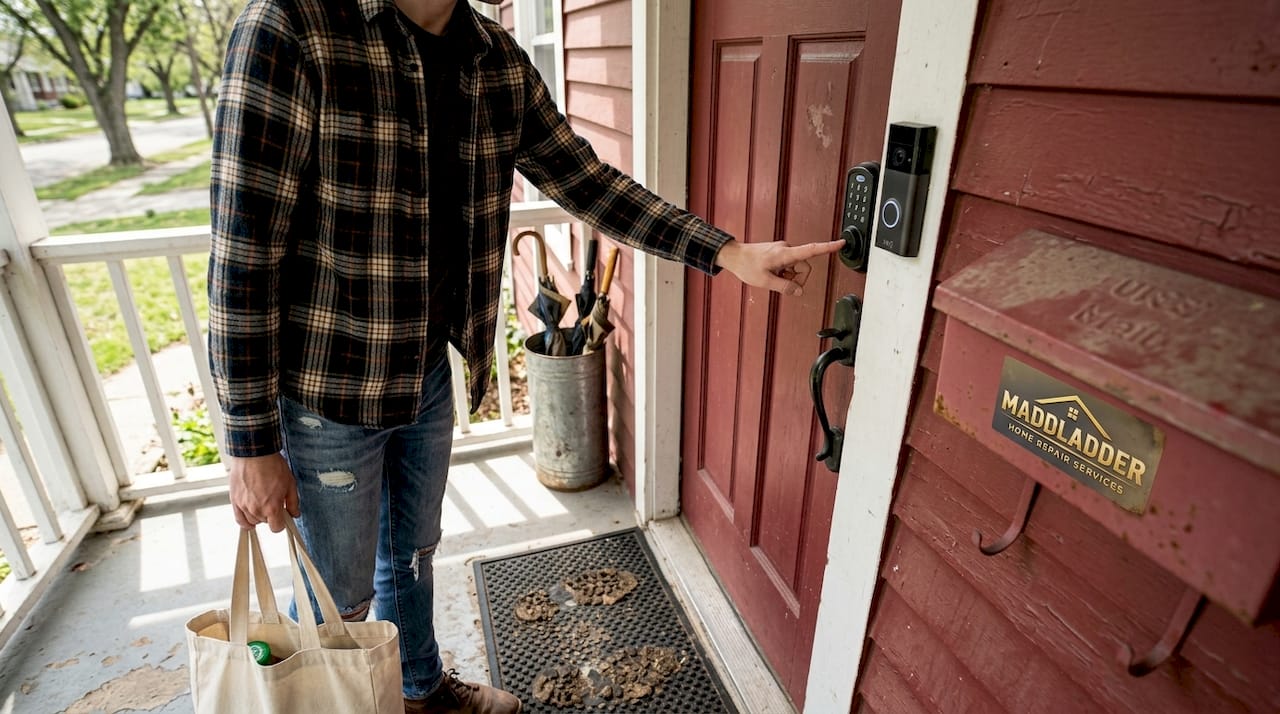
Door and window sensors create a comprehensive security perimeter around your property. When a sensor detects opening, you receive instant alerts on your phone regardless of location. SimpliSafe and Ring systems include sensors that stick to frames without drilling, making them perfect for rental properties where permanent modifications aren't allowed. Battery-powered sensors last 3-5 years and work even during power outages.
Video doorbells combine visitor monitoring with package theft prevention. Ring Video Doorbell and Nest Doorbell record continuously or on motion detection, storing footage in the cloud for later review. Two-way audio lets you speak with visitors remotely, useful for accepting deliveries or screening unexpected guests. Night vision and wide-angle lenses capture clear footage in all lighting conditions.
Smart security systems lower insurance premiums by 5-20% depending on your carrier and coverage level. Insurers recognize that monitored properties experience fewer break-ins and faster emergency response. Request a certificate of installation from your security provider to submit with your insurance discount application. The premium reduction often covers monthly monitoring fees entirely.
Motion sensors add another detection layer inside your home. Place them in hallways, basements, or garages to detect movement when the system is armed. Modern sensors distinguish between pets and people, reducing false alarms that waste time and potentially incur fines from monitoring services. Integration with smart lights creates an automated deterrent by illuminating rooms when motion is detected at night.
Pro Tip: Consolidate all security devices into one ecosystem and app rather than managing multiple platforms. Unified systems like Ring, SimpliSafe, or ADT provide single-pane monitoring and faster response to alerts. Professional monitoring services add 24/7 oversight for $15-30 monthly, contacting emergency services automatically when alarms trigger.
Geofencing works for security too. Automatically arm your system when everyone leaves home and disarm when the first person returns. This eliminates the common mistake of forgetting to set the alarm, ensuring continuous protection without daily manual intervention. MaddLadder services include professional installation and integration of security devices, ensuring sensors are placed optimally and systems are configured correctly from the start.
Next, compare these smart upgrades side by side to highlight features and suitability.
Comparison table of smart home upgrade options and recommendations
| Device Type | Upfront Cost | Energy Savings | Security Features | Best For | KC Winter Performance | ROI Timeline |
|---|---|---|---|---|---|---|
| Smart Thermostat | $200-300 | 10-23% annually | None | All property types | Excellent for heating optimization | 2-3 years |
| Smart Plugs | $15-40 each | 5-10% on connected devices | Remote shutoff | Renters, small upgrades | Good for space heater control | 1-2 years |
| Smart Locks | $150-280 | None | Access control and logs | Property managers, multifamily | Weather-resistant models needed | 3-5 years via convenience |
| Door/Window Sensors | $20-40 each | None | Perimeter monitoring | Security-focused owners | Reliable in temperature extremes | 2-4 years via insurance |
| Video Doorbells | $100-250 | None | Visitor monitoring and recording | Single-family homes | Requires hardwiring or frequent charging | 3-5 years via insurance |
Building construction heavily influences device effectiveness. Wood-frame homes support Wi-Fi devices without issues, but concrete and brick structures common in older KC buildings require alternative connectivity. Z-Wave mesh networks propagate signals through walls more effectively than Wi-Fi, while cellular IoT devices bypass home networks entirely. Assess your building materials before committing to a specific ecosystem.
Integrated smart home systems can increase property values by 3-5% in the Kansas City metro area, particularly in competitive neighborhoods where buyers expect modern amenities. Homes with documented energy savings and professional security installations sell faster and command premium prices. Keep records of all installations, utility bill comparisons, and insurance discounts to present to potential buyers.
For property managers overseeing multiple units, start with smart thermostats and locks that reduce operational costs and tenant calls. Centralized control lets you adjust temperatures in vacant units remotely and grant access to maintenance staff without physical key exchanges. Scale to full automation as you prove ROI on initial investments.
Homeowners seeking maximum comfort should prioritize thermostats and smart plugs first, then add security devices based on neighborhood conditions and insurance incentives. This phased approach spreads costs over time while delivering immediate benefits. Single upgrades rarely transform a home, but a coordinated system of three to five devices creates noticeable improvements in efficiency, security, and convenience.
Kansas City's winter conditions make heating efficiency the top priority for most properties. Devices that optimize furnace runtime and eliminate waste deliver the fastest payback and most consistent savings. Security upgrades provide peace of mind and insurance benefits but take longer to recoup costs unless you experience an actual break-in or theft. Balance your selections based on which risks and costs matter most to your situation. MaddLadder helps you evaluate trade-offs and select devices that match your priorities and budget constraints.
With the comparison presented, conclude with actionable recommendations tailored to varied needs.
Enhance your Kansas City property with expert smart home upgrades
Ready to transform your property with smart technology that actually delivers results? MaddLadder services include professional selection, installation, and integration of smart home devices tailored to Kansas City's unique climate and building conditions. We help you avoid compatibility issues and ensure devices work together seamlessly from day one.
Our team understands which thermostats handle KC winters best, which security systems qualify for insurance discounts, and how to overcome Wi-Fi limitations in older construction. We document baseline energy usage and configure devices for maximum efficiency, so you see measurable savings immediately. Whether you manage multiple properties or want to upgrade your own home, we provide the local expertise that turns smart home plans into reliable, cost-saving reality.
From initial consultation through final testing, MaddLadder delivers dependable installation and ongoing support. We offer flexible pricing including one-time installations and subscription maintenance plans that keep your smart home running smoothly year-round. Get a free estimate today and discover how the right upgrades can cut your energy bills, lower insurance costs, and increase your property's value in the competitive Kansas City market.
FAQ
What are some affordable smart home upgrades for starters?
Smart thermostats and smart plugs offer the best entry points with upfront costs under $300 total. These devices deliver quick returns through energy savings and require minimal technical knowledge to install and operate. Focus on heating efficiency first since Kansas City winters drive the highest utility bills, then expand to other devices as you see results.
How do smart upgrades affect property value in the Kansas City metro area?
Integrated smart home systems increase property values by 3-5% in the KC metro, particularly when professionally installed and documented. Buyers actively seek homes with energy-efficient technology and modern security features, viewing them as move-in ready. Keep installation records and utility savings data to demonstrate value during sales negotiations.
What challenges do multifamily buildings in KC face with smart home tech?
Concrete and brick construction common in older KC multifamily properties blocks Wi-Fi signals, causing device disconnections and poor performance. Cellular IoT or Z-Wave networks provide more reliable connectivity by using alternative frequencies that penetrate walls effectively. Test connectivity before large-scale deployments to avoid costly replacements.
What insurance benefits can smart security systems provide?
Smart security systems lower insurance premiums by 5-20% depending on your carrier and the level of monitoring included. Insurers value verified installations with professional monitoring because they reduce break-in frequency and speed emergency response. Submit installation certificates to your provider immediately to start receiving discounts on your next billing cycle.