
TL;DR:
- Affordable upgrades like grab bars and lighting can significantly reduce fall risks at low cost.
- Local programs and certified contractors help Kansas City homeowners fund and implement safe accessibility improvements.
- Simple DIY fixes and phased remodeling offer practical, effective solutions for safe aging in place.
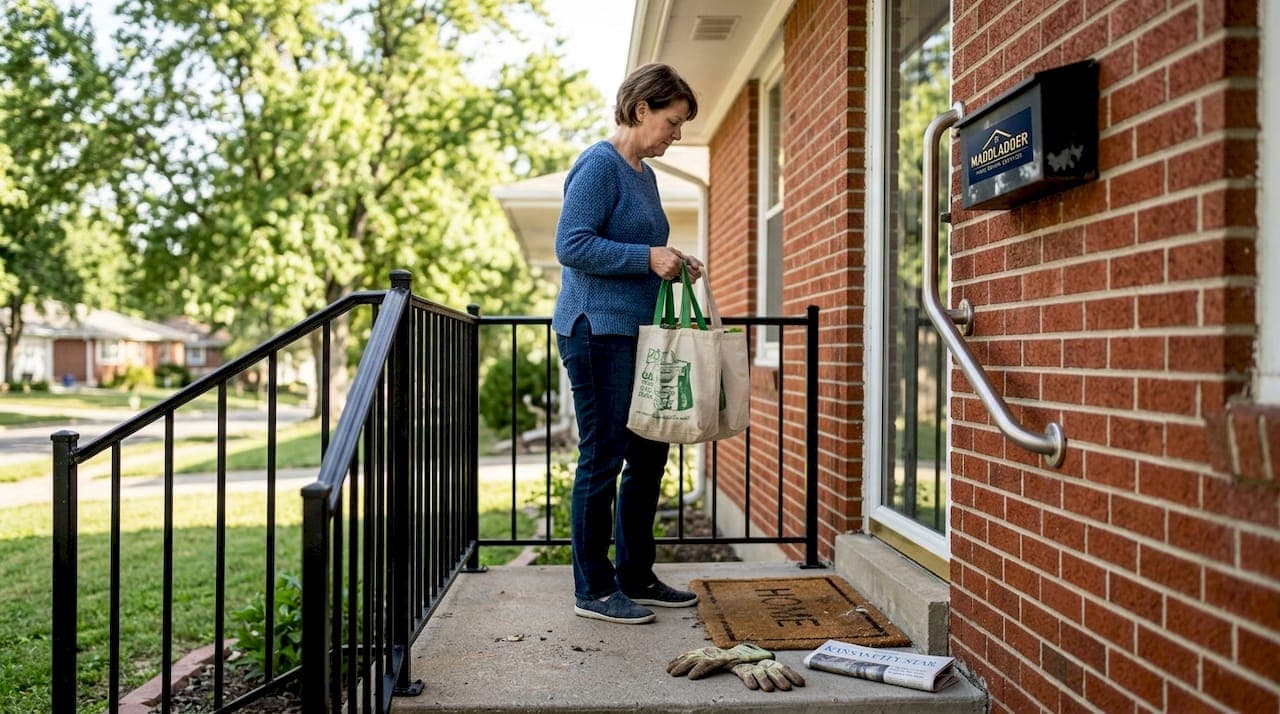
Balancing safety, budget, and practicality is the real challenge Kansas City homeowners face when planning accessibility upgrades. Whether you're preparing a home for aging parents, recovering from an injury, or simply making your space safer for everyone, the options can feel overwhelming. The good news: 77% of adults 50+ want to age in place, and targeted upgrades can reduce fall risk by 38% without requiring a full renovation. This guide walks you through how to choose the right upgrades, what they cost locally, and how to tap Kansas City-specific programs that can help cover the bill.
Table of Contents
- How to select accessibility upgrades: Key criteria
- Top affordable accessibility upgrades for Kansas City homes
- Upgrade comparison: Impact, cost, and suitability table
- Local resources, incentives, and expert tips for Kansas City
- Editorial perspective: Real-world lessons and overlooked strategies
- Take the next step: Kansas City accessibility solutions
- Frequently asked questions
Key Takeaways
| Point | Details |
|---|---|
| Affordable upgrades deliver big impact | Small changes like grab bars and rug taping can dramatically reduce fall risk for little investment. |
| Local programs offer support | Kansas City programs such as KanCare and HUD can help cover accessibility upgrade costs for qualified residents. |
| Universal design maximizes usability | Prioritizing upgrades that benefit people of all ages and abilities ensures safety and convenience for everyone. |
| Professional installation counts | Structural upgrades are safest and most durable when handled by CAPS-certified contractors familiar with local codes. |
| Quick wins are great starting points | Layered lighting, easy-to-install handles, and decluttering reduce hazards and are ideal for immediate action. |
How to select accessibility upgrades: Key criteria
Not every upgrade belongs on every home's to-do list. The smartest approach starts with a clear-eyed look at your specific risks, your budget, and what Kansas City codes actually require. Rushing into a full bathroom remodel when a $30 grab bar would solve the immediate problem is a common and expensive mistake.
Start by evaluating these key criteria before spending a dollar:
- Fall risk zones: Bathrooms, stairways, and entryways account for the majority of home fall injuries. These spaces deserve first priority.
- Mobility needs: Consider current and future mobility. A household with a wheelchair user needs wider doorways (ADA minimum is 32 inches clear) and zero-step entries.
- Visibility and lighting: Poor lighting is underestimated as a hazard. Layered lighting in hallways and bathrooms is one of the cheapest fixes with the highest payoff.
- Budget ceiling: Set a realistic number before you start. Some upgrades cost under $25; others run into the thousands.
- Code and program compliance: Kansas City homes that receive KanCare or KDADS-funded modifications must meet specific accessibility standards including ramp slopes, door widths, and grab bar placement. Even if you're paying out of pocket, following these standards protects resale value.
The NAHB's CAPS checklist (Certified Aging-in-Place Specialist) is a free tool that walks you room by room through what to assess. It's a practical starting point before you contact any contractor.
For Kansas City homeowners, accessibility upgrades that address the bathroom and front entry first consistently deliver the best safety return. These two zones combine high injury frequency with relatively low upgrade costs. A well-planned upgrade doesn't just reduce risk; it adds long-term comfort and resale appeal.
Pro Tip: Walk through your home as if you're carrying a laundry basket with both hands full. Wherever you feel uncertain or off-balance, that's your upgrade priority.
Top affordable accessibility upgrades for Kansas City homes
With the criteria in mind, here are the most practical and affordable upgrades you can implement, ranked roughly from lowest to highest cost.
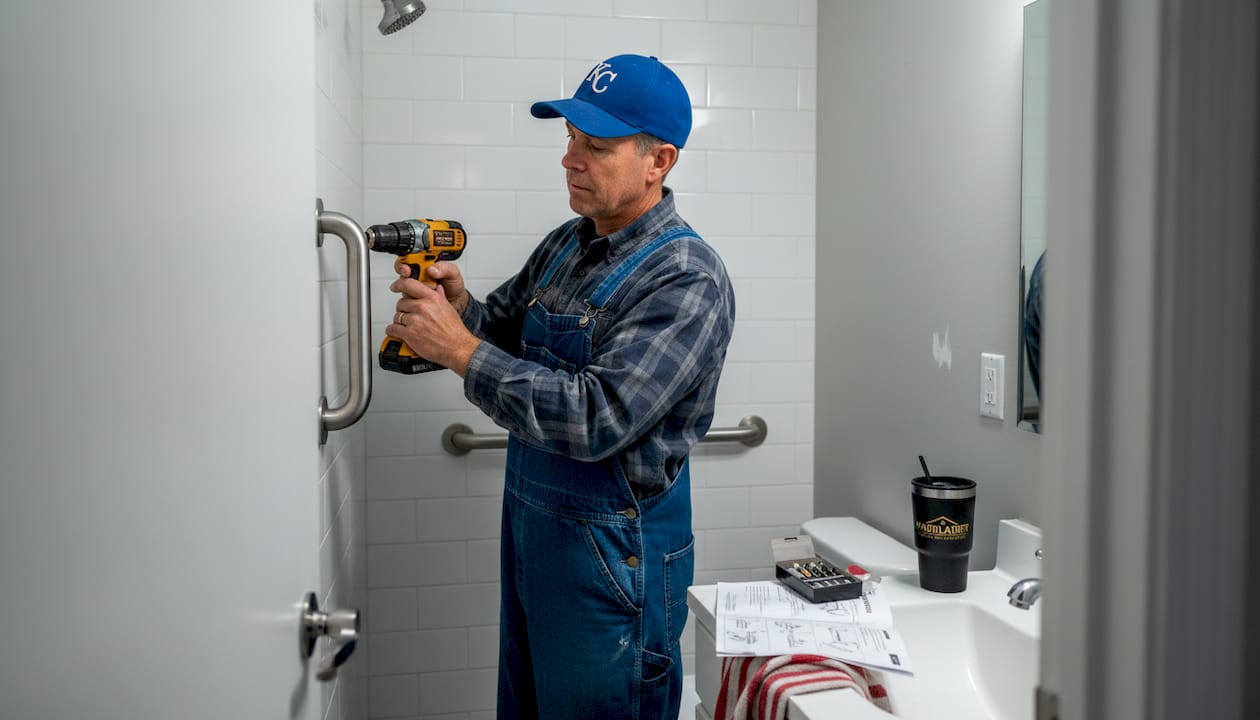
- Grab bars in bathrooms and hallways: Grab bars reduce falls by 38% and cost $20 to $80 for the hardware. Professional installation in Kansas City typically runs $75 to $150. This is the single highest-value upgrade per dollar spent.
- Non-slip flooring and rug taping: Loose rugs are a leading trip hazard. Double-sided rug tape costs under $10. For bathrooms, non-slip adhesive strips run $15 to $25 and take minutes to apply.
- Motion-sensor and layered lighting: Nighttime falls often happen because someone can't find a light switch. Motion-sensor plug-in lights cost $15 to $40 each and require no wiring.
- Lever door handles: Round knobs are nearly impossible for people with arthritis or limited grip. Lever handles cost $20 to $60 per door and can be swapped out in under 20 minutes.
- Comfort-height toilets: Standard toilets sit at 15 inches; comfort-height models sit at 17 to 19 inches, dramatically reducing strain on knees and hips. Expect $200 to $500 for the unit plus installation.
- Threshold ramps: Small threshold ramps for doorways cost $30 to $80 and eliminate the trip risk at door transitions without any permanent modification.
- Widened doorways: For wheelchair or walker access, widening a doorway to 36 inches typically costs $700 to $2,500 depending on whether it's a load-bearing wall.
- Roll-in or walk-in showers: A full roll-in shower conversion runs $3,000 to $8,000 in the Kansas City market, but it eliminates the single most dangerous transfer point in most homes.
An accessibility modifications study confirms that combining multiple lower-cost upgrades delivers compounding safety benefits. You don't have to choose between a grab bar and better lighting; do both.
Pro Tip: Before any larger remodel, install grab bars and improve lighting first. These two upgrades alone address the majority of bathroom fall risk and cost under $200 combined when professionally installed.
For broader safety planning, essential safety upgrades for Kansas City homes cover additional areas beyond accessibility, and pairing these with smart home upgrades like video doorbells and smart thermostats adds another layer of safety and convenience.
Upgrade comparison: Impact, cost, and suitability table
Now that you've seen individual options, compare their pros, costs, and effects at a glance to prioritize your choices.
| Upgrade | Typical KC cost | Install complexity | Fall/risk reduction | Best for |
|---|---|---|---|---|
| Grab bars | $20–$150 installed | Low | High (38%) | All households |
| Non-slip strips | $10–$25 | Very low | Moderate | Renters, quick fixes |
| Motion-sensor lights | $15–$40 each | Very low | Moderate | Nighttime safety |
| Lever handles | $20–$60/door | Low | Low to moderate | Arthritis, grip issues |
| Comfort-height toilet | $200–$500 | Medium | Moderate | Seniors, post-surgery |
| Threshold ramps | $30–$80 | Very low | Moderate | Wheelchair, walker users |
| Widened doorways | $700–$2,500 | High | High | Wheelchair access |
| Roll-in shower | $3,000–$8,000 | High | Very high | Full mobility needs |
Costs range from $20 for grab bars to $10,000+ for walk-in tubs, and upgrades can improve overall accessibility ratings by 51% while reducing incident risk by 35%. Compare that to assisted living costs averaging $5,350 per month, and even a $10,000 home upgrade pays for itself in under two months.
Key local resources worth bookmarking:
- CAPS-certified contractors in Kansas City who specialize in aging-in-place remodeling
- Occupational therapists (OTs) who can assess your specific mobility needs before you spend anything
- Kansas City's home repair program for income-qualified homeowners
- KDADS and KanCare for medically necessary modifications
For context on how accessibility upgrades fit into broader home repair trends, they consistently rank among the highest-return investments for both safety and property value. The Building Performance Institute also provides resources for assessing home performance improvements including accessibility.
Local resources, incentives, and expert tips for Kansas City
After weighing options, here's how to get Kansas City-specific help and expert support for upgrading your home.
Kansas City residents have access to several programs that most homeowners don't know exist. KanCare waivers cover accessibility upgrades when modifications are medically necessary, with KDADS providing oversight of approved providers. HUD repair programs offer additional funding for income-eligible homeowners. These aren't obscure programs; they're underused ones.
| Program | Eligibility | What it covers | How to apply |
|---|---|---|---|
| KanCare waiver | Medicaid-eligible, medically necessary | Grab bars, ramps, widened doors | Through KDADS-approved provider |
| KDADS oversight | Kansas residents | Modification standards and contractor approval | Via KDADS directly |
| HUD repair program | Income-qualified homeowners | Structural repairs including accessibility | City repair applications |
| CAPS contractor | Any homeowner | Expert assessment and compliant installation | NAHB directory |
"The biggest mistake homeowners make is skipping the occupational therapist assessment. A 45-minute OT visit can save you thousands by identifying exactly which upgrades will make the most difference for your specific situation, rather than guessing based on a general checklist." — CAPS-certified contractor perspective
For rental property upgrades in Kansas City, landlords should note that Fair Housing Act requirements apply to reasonable modification requests from tenants with disabilities. Working with licensed handymen in KC ensures installations meet code and protect you from liability.
A few tips from local experience:
- Always pull permits for structural modifications like doorway widening or ramp construction
- Universal design (designing for all users, not just those with disabilities) adds resale value beyond accessibility
- Phased upgrades work: start with quick wins, then plan larger remodels over 12 to 24 months
- For a broader overview of what qualifies as a covered repair, general home repair guidance for Kansas City is a useful reference
Editorial perspective: Real-world lessons and overlooked strategies
With all the research and comparisons done, here's our candid take on what really works and what most guides overlook.
Most accessibility guides push you toward the big-ticket items first. Walk-in tubs. Full bathroom remodels. Elevator lifts. These are real solutions for real needs, but they're also the last thing most Kansas City homeowners actually need to start with.
The uncomfortable truth: low-cost DIY fixes like taping down rugs, installing a $20 grab bar, and adding two motion-sensor lights can eliminate 60 to 70 percent of daily fall hazards in under a weekend. Most people skip these because they feel too simple. They're not.
Where we see the biggest gaps in Kansas City homes is lighting and floor transitions. Not showers. Not ramps. Those two overlooked areas cause the majority of non-bathroom falls, and they're almost always fixable for under $100.
For wheelchair users, renters, or households dealing with cognitive impairment, the calculus changes. Renters need non-permanent solutions. Cognitive impairment calls for simplified environments, not just physical modifications. These edge cases deserve their own plan, not a one-size-fits-all checklist. Phased upgrades, guided by an OT and executed by a licensed local contractor, consistently outperform rushed full remodels.
Take the next step: Kansas City accessibility solutions
Ready to make your Kansas City home safer and more accessible? Here's how MaddLadder can help.
Planning accessibility upgrades is one thing. Getting them done correctly, on budget, and up to code is another. MaddLadder works with Kansas City homeowners and property managers to handle everything from grab bar installation to full accessibility assessments, with licensed professionals who know local requirements.
Whether you need a single grab bar installed this week or want to plan a phased upgrade over the next year, MaddLadder's services cover the full range of accessibility and safety improvements. Free estimates make it easy to understand your costs before committing. Visit MaddLadder to get started or call to speak directly with a local pro who can assess your home's specific needs.
Frequently asked questions
What is the most affordable accessibility upgrade for Kansas City homes?
Grab bars, motion-sensor lights, and rug-taping are all under $25 installs that provide immediate, measurable safety benefits and require no professional installation for basic applications.
Are there Kansas City programs that help pay for home accessibility upgrades?
KanCare waivers and HUD programs offer cost coverage for qualified upgrades, depending on medical necessity and household income, with KDADS overseeing approved providers in Kansas.
How do I ensure upgrades meet Kansas City codes?
Using CAPS-certified contractors and verifying against the NAHB CAPS checklist ensures your modifications meet local accessibility standards and KDADS/KanCare compliance requirements.
What is the payback for accessibility upgrades compared to assisted living?
Accessibility upgrades typically cost $5,000 to $30,000 as a one-time investment versus assisted living expenses averaging over $5,350 per month, meaning upgrades often pay for themselves within a few months of avoided care costs.
Can renters make accessibility upgrades in Kansas City homes?
Yes. The Fair Housing Act gives renters legal standing to request reasonable modifications, though permanent structural changes generally require landlord approval and may need to be reversed when the lease ends.