
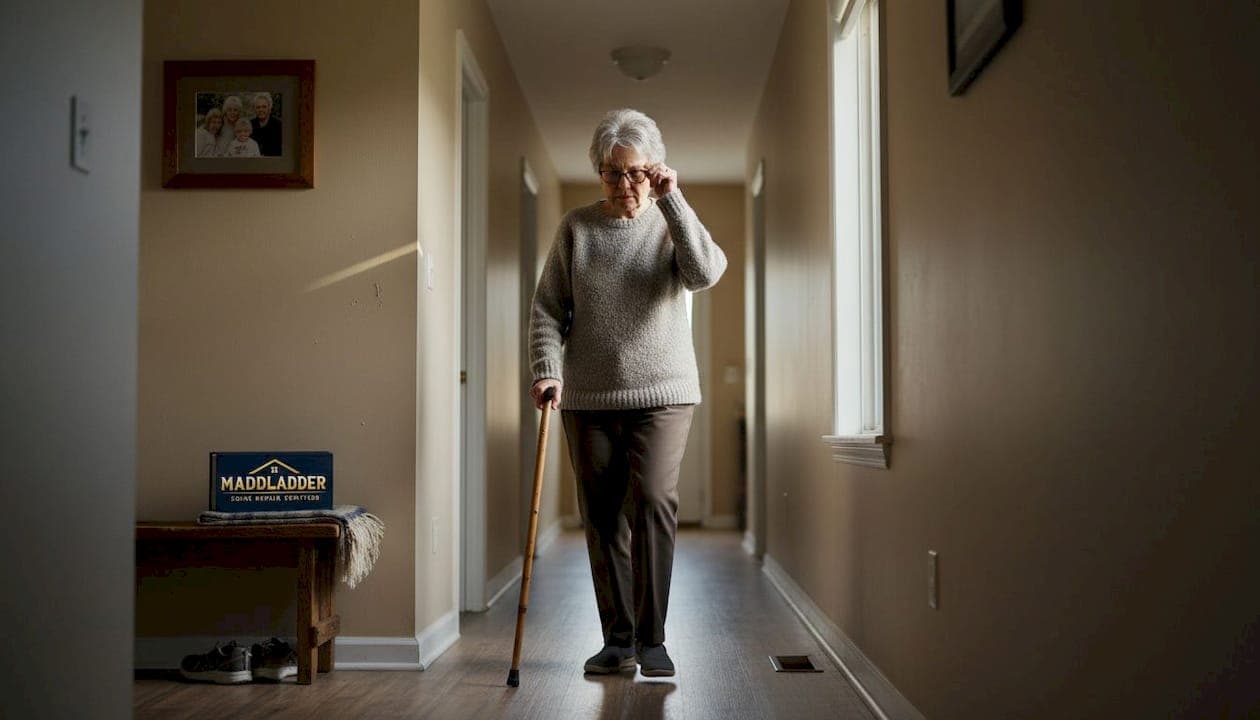
Every year, falls cause 77% of senior injuries and result in nearly 70 deaths per 100,000 people aged 65 and older. These numbers aren't just statistics. They represent neighbors, family members, and friends who face preventable injuries in their own homes. Many Kansas City homeowners over 50 underestimate how simple accessibility modifications can protect them from these risks while preserving their independence. This guide explains why upgrading home accessibility is vital for safety, independence, and comfort, and how targeted improvements transform daily living for seniors who want to age in place confidently.
Table of Contents
- Key Takeaways
- The hidden dangers of an inaccessible home
- How accessibility upgrades improve daily life and reduce risk
- Professional installation and local resources in Kansas City
- Broader benefits: aging in place, confidence, and property value
- Upgrade your home accessibility with MaddLadder
- Frequently asked questions
Key Takeaways
| Point | Details |
|---|---|
| Falls drive injuries | Falls account for the majority of senior injuries and deaths, making home safety upgrades a critical priority. |
| Upgrades reduce risk | Accessibility modifications can lower fall risk and improve daily functioning for seniors. |
| Grab bars matter | Grab bars anchored into wall studs at 33 to 36 inches provide critical support when transferring and moving. |
| Professional installation matters | Qualified professionals are essential to ensure safety and code compliance during modifications. |
| Local funding options | Local Kansas City programs can help eligible seniors fund home accessibility upgrades. |
The hidden dangers of an inaccessible home
One in four seniors falls each year, and the medical costs associated with these incidents exceed $80 billion annually. These staggering figures reveal a crisis hiding in plain sight within homes across Kansas City. Most falls happen in familiar spaces where homeowners feel safest, yet environmental hazards create constant risk. Uneven flooring transitions, inadequate lighting in hallways and bathrooms, and the absence of grab bars near toilets and tubs turn everyday activities into dangerous obstacles.
The consequences extend far beyond bruises and sprains. Hip fractures, head trauma, and loss of confidence plague seniors after falls. Many who experience a serious fall develop a fear of falling again, which leads to reduced activity, social isolation, and accelerated physical decline. The financial burden compounds the physical toll, with emergency room visits, surgeries, rehabilitation stays, and long-term care draining retirement savings that families worked decades to build.
Common home hazards include:
- Bathrooms without grab bars or non-slip surfaces where wet conditions increase slip risks
- Staircases lacking sturdy handrails on both sides to support balance during ascent and descent
- Dimly lit entryways and hallways that obscure tripping hazards like rugs, cords, and floor transitions
- Narrow doorways that prevent safe wheelchair or walker passage, forcing risky maneuvering
- High thresholds and steps at exterior doors that create stumbling points during entries and exits
MaddLadder sees these hazards daily in Kansas City homes. Homeowners often adapt to their environment gradually, not recognizing how their mobility has changed or how their home has become less forgiving. A bathroom that worked perfectly at 45 becomes treacherous at 65 when balance, vision, and reaction time decline. The good news is that targeted modifications address these specific risks effectively.
"Understanding fall statistics motivates action. When homeowners realize that falls are preventable through environmental changes rather than inevitable parts of aging, they invest in modifications that protect their health and independence for years to come."
Recognizing these dangers is the first step toward creating a safer living environment. The next step involves understanding which specific upgrades deliver the most significant safety improvements and quality of life benefits.
How accessibility upgrades improve daily life and reduce risk
Accessibility modifications improve activities of daily living by 38% while reducing home falls by 17%. These numbers translate into tangible improvements in how seniors navigate their homes. Grab bars installed at proper heights provide critical support when transferring on and off toilets, stepping into showers, and moving through hallways. The difference between a successful bathroom visit and a dangerous fall often comes down to having a secure handhold within reach.
Grab bars must anchor into wall studs, not just drywall, to support body weight during slips. Installation at 33 to 36 inches from the floor positions them at optimal heights for most users. Strategic placement matters as much as installation quality. Bars near toilets should run horizontally on the side wall and behind the fixture. Shower grab bars work best when positioned vertically near the entry and horizontally along the back wall, creating multiple support points as users move through bathing routines.
Ramps with a 1:12 slope ratio make homes accessible for wheelchairs, walkers, and anyone who struggles with steps. This means for every inch of vertical rise, the ramp extends 12 inches horizontally, creating a gentle incline that prevents tipping and reduces effort. Widened doorways of at least 36 inches accommodate mobility devices without requiring users to navigate tight squeezes that risk collisions and falls. These modifications transform homes from barriers into supportive environments.
Lighting improvements address vision changes that accompany aging. Brighter bulbs, motion-activated switches, and elimination of shadows in transition areas help seniors see obstacles clearly. Adequate illumination in staircases, bathrooms, and hallways reduces trip hazards significantly. Night lights create safe pathways for middle-of-the-night bathroom visits when falls are most likely to occur.
Key upgrades that deliver immediate safety benefits:
- Toilet grab bars positioned for easy reach during sitting and standing transitions
- Shower seats that eliminate the need to balance on one foot while bathing
- Lever-style door handles and faucets that require less grip strength than traditional knobs
- Raised toilet seats that reduce the distance users must lower and raise their bodies
- Non-slip flooring in bathrooms and kitchens where water creates slippery conditions
These modifications work together to create layered protection. A bathroom with grab bars, a shower seat, non-slip flooring, and bright lighting is exponentially safer than one with only a single upgrade. Home accessibility services can assess which combinations make the most sense for your specific needs and home layout.
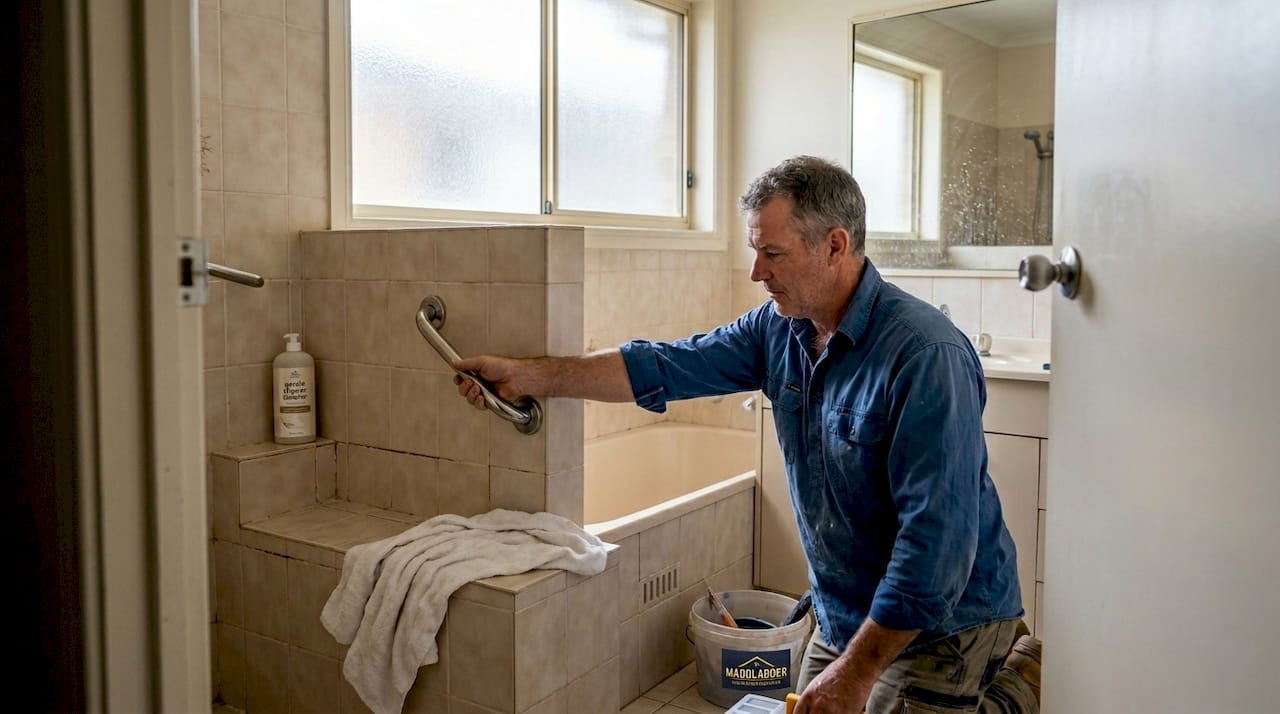
Pro Tip: Start with bathroom modifications since most senior falls occur in this high-risk area. Grab bars and improved lighting deliver immediate safety improvements at relatively low cost, making them ideal first projects before tackling more extensive renovations like ramp installations or doorway widening.
The impact on daily activities extends beyond fall prevention. Seniors who feel secure in their homes maintain higher activity levels, better social connections, and greater independence. They cook meals confidently, shower without fear, and move through their homes freely rather than limiting themselves to a few "safe" rooms. This psychological benefit is as valuable as the physical safety improvements.
Professional installation and local resources in Kansas City
Proper installation separates effective accessibility upgrades from dangerous liabilities. Grab bars that pull out of walls during falls cause injuries rather than prevent them. Ramps with slopes too steep for safe wheelchair use create new hazards. Professional installers understand the technical requirements and building codes that ensure modifications actually protect users.
Grab bar installation requires locating wall studs, using appropriate fasteners, and testing weight capacity. Bars must support at least 250 pounds of force in any direction. Contractors use blocking between studs in new construction or retrofit installations to create solid anchor points. The Americans with Disabilities Act provides detailed specifications for grab bar placement, diameter, and clearance from walls that professional installers follow to maximize safety and usability.
Ramps must meet precise slope requirements of 1:12 for wheelchair accessibility. A 24-inch rise requires a 24-foot ramp, which demands significant space and structural support. Landings at the top and bottom provide rest areas and turning space. Handrails on both sides offer additional stability. Kansas City contractors experienced in accessibility modifications understand local building codes and permitting requirements that apply to these structures.
Doorway widening involves more than removing trim. Contractors must assess whether walls are load-bearing, install proper headers to support weight above the opening, and finish the expanded opening to match existing construction. This work requires carpentry skills, code knowledge, and attention to detail that ensures structural integrity alongside improved accessibility.
Kansas City area programs provide up to $8,000 in grants for eligible low-income seniors to fund accessibility improvements. Johnson County Housing Services and Platte County programs help homeowners afford ramps, grab bars, and necessary repairs. The CAPABLE program combines occupational therapy assessments with handyman services to identify needs and complete modifications. These resources make professional installation accessible to seniors on fixed incomes who might otherwise attempt risky DIY projects or go without needed upgrades.
| Upgrade Type | Typical Cost Range | Key Specifications | Local Resources |
|---|---|---|---|
| Grab bars | $120 to $300 per bar installed | 33-36 inches high, anchored to studs, 1.5-inch diameter | Johnson County grants, CAPABLE program |
| Entry ramps | $1,200 to $3,000 | 1:12 slope ratio, 36-inch width minimum, handrails both sides | Platte County assistance, contractor quotes |
| Doorway widening | $800 to $2,500 per opening | 36-inch clear width, proper headers, finished trim | Home modification specialists |
| Bathroom remodel | $5,000 to $15,000 | Roll-in shower, grab bars, raised toilet, non-slip flooring | MaddLadder grants information |
| Lighting upgrades | $300 to $1,200 | Motion sensors, brighter bulbs, elimination of shadows | Electrical contractors |
Pro Tip: Consult an occupational therapist before starting modifications. These healthcare professionals assess your specific mobility challenges, recommend personalized solutions, and often work with programs like CAPABLE to coordinate professional installation. Their expertise ensures you invest in upgrades that address your actual needs rather than generic recommendations.
Working with experienced Kansas City installers like Sage Restoration or professional home modification services ensures compliance with local codes and proper installation techniques. These contractors understand the unique challenges of modifying existing homes and can suggest creative solutions that work within your budget and space constraints. They also handle permitting and inspections, removing administrative burdens from homeowners.
Local building departments require permits for structural changes like doorway widening and ramp construction. Professional contractors navigate these requirements efficiently, ensuring work meets code and passes inspection. This documentation protects homeowners and maintains property value by demonstrating that modifications were completed properly and legally.
Broader benefits: aging in place, confidence, and property value
Ninety percent of seniors want to remain in their homes as they age rather than move to assisted living facilities or nursing homes. Accessibility upgrades make this preference realistic and safe. Seniors who modify their homes maintain independence, stay connected to their communities, and avoid the emotional trauma of leaving familiar surroundings. The alternative, institutional care, costs significantly more and often provides lower quality of life.
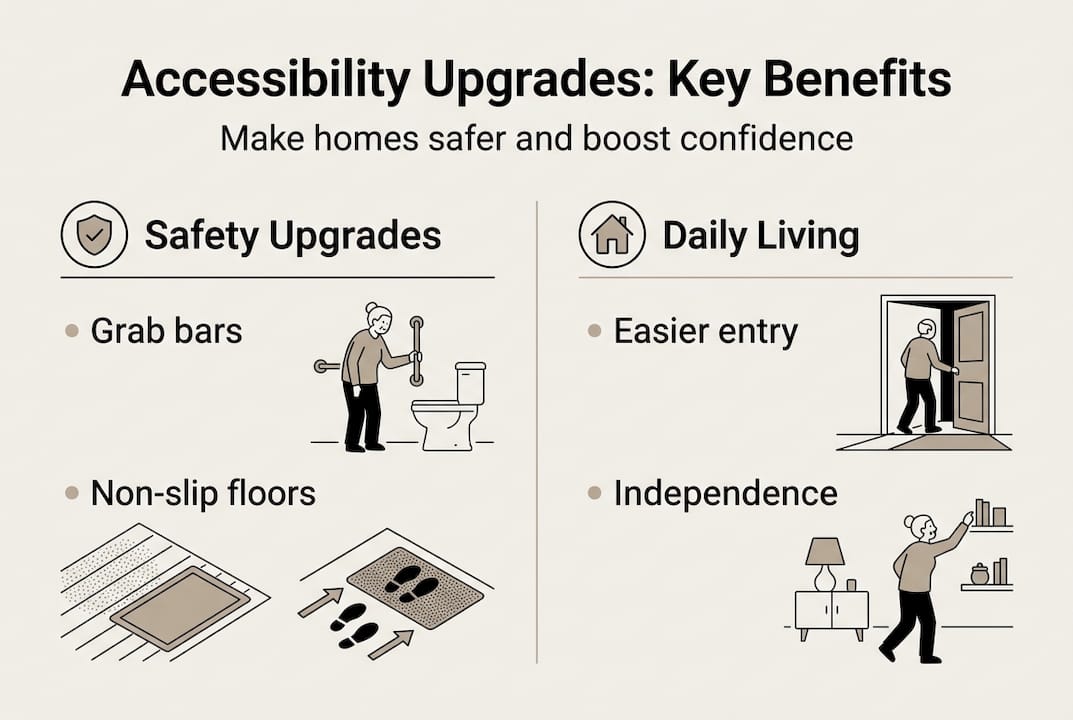
Medicare spends $38 billion annually treating fall-related injuries. Individual seniors face thousands of dollars in out-of-pocket costs for emergency care, rehabilitation, and recovery. Preventing falls through home modifications costs a fraction of treating injuries after they occur. Insurance companies and healthcare systems increasingly recognize this reality and offer programs that subsidize accessibility upgrades as preventive care investments.
Modified homes appeal to a growing market of aging buyers who prioritize accessibility. Baby boomers entering their 70s and 80s seek homes that accommodate mobility challenges without requiring extensive renovations. Features like zero-step entries, main-floor primary suites, and accessible bathrooms command premium prices in many markets. Sellers who invest in accessibility improvements often recoup costs through faster sales and higher offers.
Property value considerations include:
- Universal design features that appeal to buyers of all ages and abilities
- Documentation of professional installation and code compliance that reassures buyers
- Energy-efficient upgrades often completed alongside accessibility modifications
- Reduced maintenance needs when aging homeowners can safely perform routine tasks
Personal health conditions require tailored modifications beyond standard accessibility features. Arthritis sufferers benefit from lever handles and touch-activated faucets that require minimal grip strength. Cognitive decline associated with dementia necessitates clear sightlines, simplified layouts, and safety features like stove auto-shutoffs. Vision impairment demands high-contrast color schemes, tactile markers, and enhanced lighting. MaddLadder accessibility solutions can customize modifications to address these specific challenges.
The psychological impact of living in an accessible home extends beyond physical safety. Seniors who feel secure in their environment maintain better mental health, experience less anxiety about daily activities, and preserve social connections by confidently inviting guests into their homes. This emotional well-being contributes to overall health outcomes as significantly as the physical safety improvements.
"Accessibility modifications represent an investment in quality of life that pays dividends daily. The confidence to shower safely, navigate stairs securely, and move through your home freely is priceless. These upgrades transform houses into supportive environments that enable independence rather than threaten it."
Community connections remain stronger when seniors age in place. Neighbors, friends, and familiar service providers create support networks that institutional settings cannot replicate. Local churches, community centers, and social groups remain accessible when seniors stay in their longtime homes. This continuity matters enormously for emotional health and life satisfaction.
Upgrade your home accessibility with MaddLadder
You've learned how accessibility modifications protect your safety, preserve your independence, and enable confident aging in place. Now it's time to take action. MaddLadder home accessibility specialists understand the unique needs of Kansas City seniors and deliver professional installations that meet code requirements while addressing your specific challenges. Our team has helped hundreds of local homeowners transform their houses into safer, more accessible spaces.
We guide you through available grant programs, help you prioritize modifications within your budget, and complete installations with attention to detail that ensures lasting safety. Our MaddLadder professional services include grab bar installation, ramp construction, doorway widening, lighting upgrades, and complete bathroom remodels designed for accessibility. We handle permitting, work with occupational therapists when needed, and guarantee our workmanship. Contact MaddLadder today to schedule a consultation and discover how simple modifications can dramatically improve your daily life and protect your independence for years to come.
Frequently asked questions
How do I know which accessibility upgrades my home needs?
Schedule an assessment with an occupational therapist who specializes in home modifications. These professionals evaluate your mobility, identify specific risks in your environment, and recommend personalized solutions. Common first-step upgrades include grab bars in bathrooms, improved lighting in hallways and staircases, and removal of tripping hazards like throw rugs. The assessment considers your current abilities and anticipated changes to create a modification plan that serves you long term.
Are there financial assistance programs in Kansas City for these upgrades?
Johnson County and Platte County offer grants up to $8,000 for eligible low-income seniors to fund accessibility improvements including ramps, grab bars, and necessary repairs. The CAPABLE program combines occupational therapy with handyman services at reduced costs. Visit Johnson County Housing Services and Platte County government websites to review eligibility requirements and application processes. Some programs have waiting lists, so apply early to secure funding for your modifications.
Can I install some accessibility features myself safely?
Small projects like grab bars can be DIY installations if you have carpentry skills, locate studs accurately, and use proper fasteners rated for the required weight capacity. However, improper installation creates dangerous false security. Major modifications like ramps, doorway widening, and structural changes require licensed contractors who understand building codes, obtain necessary permits, and guarantee their work. Professional installation ensures modifications actually protect you rather than creating new hazards.
How do accessibility upgrades affect my home's value?
Accessible features increase market appeal to aging buyers who represent a growing segment of the real estate market. Homes with zero-step entries, main-floor living, and accessible bathrooms often sell faster and command higher prices than comparable properties requiring modifications. Properly documented professional installation demonstrates quality and code compliance that reassures buyers. Universal design elements benefit users of all ages, making your home attractive to a broader buyer pool when you eventually sell.
What's the difference between ADA compliance and practical home accessibility?
ADA standards apply primarily to public buildings and commercial spaces, establishing minimum requirements for accessibility. Home modifications can follow ADA guidelines as best practices but aren't legally required to meet every specification. Practical home accessibility focuses on your specific needs, available space, and budget while maximizing safety and usability. Professional installers adapt ADA principles to residential contexts, creating solutions that work within your home's constraints while delivering effective accessibility improvements.