
TL;DR:
- Addressing minor repairs early can prevent small issues from escalating into costly problems, saving money and reducing safety risks. Regular inspections, prompt fixes, and a maintenance reserve help maintain property value and avoid emergency expenses. Proper management of repairs minimizes liability, enhances safety, and preserves the home's overall condition.
Addressing minor repairs before they escalate is the single most cost-effective decision a homeowner or property manager can make. A small drip under the sink, a loose handrail, or a flickering outlet each qualify as minor repairs today. Left alone, they become water damage, liability claims, and electrical failures tomorrow. The 1-10-100 rule captures this precisely: fixing a defect at the source costs 1 unit, catching it mid-process costs 10, and repairing after failure costs 100. That ratio explains why address minor repairs before major work becomes necessary is not just good advice. It is the financial foundation of responsible property ownership.
Why address minor repairs before major costs pile up
Deferred repairs do not stay the same size. They grow. Compounding damage from unaddressed minor issues can multiply final restoration costs by 4 to 10 times. That means a $200 caulking job ignored for two seasons can realistically become a $1,500 rot repair or a $4,000 subfloor replacement.

The multiplier effect works through a chain reaction. A loose screw on a door hinge causes the frame to shift. The frame shift stresses the surrounding drywall. The drywall cracks, lets in moisture, and now you have a carpentry, plastering, and mold problem where a screwdriver once would have done the job. Minor repair delays can compound damage exponentially through exactly this kind of sequence.
Water is the most aggressive multiplier in any home. Small leaks create perfect conditions for rot and mold, causing structural decay and health hazards. Delayed sealing of drip points is one of the most common causes of expensive repair projects across residential properties. Termite and related structural damage costs over $5 billion annually, and most of that damage starts with entry points that early minor repairs would have closed.
Emergency repairs carry a financial penalty beyond the repair itself. Emergency call-out fees and rush premiums increase reactive repair costs by 30–50% over scheduled maintenance. You pay more for the same work simply because you waited until the problem forced your hand.
| Repair scenario | Minor fix cost | Deferred major repair cost | Cost multiplier |
|---|---|---|---|
| Dripping faucet | $75–$150 | $800–$2,500 (pipe burst, water damage) | 10x |
| Loose handrail | $50–$100 | $600–$1,800 (structural replacement) | 12x |
| Small roof leak | $150–$300 | $3,000–$8,000 (deck rot, interior damage) | 15x |
| Cracked caulk at window | $30–$60 | $1,200–$4,000 (mold, framing rot) | 30x |
| Flickering outlet | $80–$150 | $1,500–$5,000 (rewire, fire damage) | 20x |
Pro Tip: Schedule a preventive maintenance walkthrough every six months. Catching issues early keeps you in the scheduled-maintenance cost bracket, not the emergency-premium bracket.
What safety and liability risks come from ignoring small repairs?
Neglected minor repairs do not just cost money. They create physical danger. Loose handrails, flickering outlets, and similar minor hazards escalate into injury risks without prompt fixes. A handrail that wobbles today can fail completely when a child or elderly resident grabs it on a staircase.
For landlords and property managers, the liability exposure is direct. An unaddressed hazard that causes a tenant injury can trigger insurance claims, legal action, and failed safety inspections. Insurance carriers increasingly scrutinize maintenance records when evaluating claims. A documented pattern of deferred repairs can reduce or void coverage on a claim that would otherwise be straightforward.
Minor repairs that carry the highest safety urgency include:
- Loose or wobbly handrails and stair balusters — fall risk, especially for elderly occupants
- Flickering or sparking electrical outlets — fire and shock hazard
- Slow-draining or leaking pipes — slip hazard and mold growth
- Cracked or uneven walkway surfaces — trip and fall risk
- Stuck or misaligned door locks — security and emergency egress concern
- Dripping water near electrical panels — immediate fire and electrocution risk
- Damaged smoke or carbon monoxide detector mounts — life safety device failure
Resolving minor electrical issues early is especially critical. Electrical faults are a leading cause of residential fires, and most start with symptoms that were visible and fixable weeks or months before the event.
Pro Tip: Conduct a dedicated safety audit twice a year. Walk every room and exterior area with a checklist focused on handrails, outlets, flooring, and water intrusion points. Document what you find and set a repair deadline for each item.
How do minor repairs protect and build property value?
A well-maintained property commands a higher price and sells faster. Buyers and appraisers read deferred maintenance as a signal of systemic neglect. A cracked tile, a sticking door, or peeling trim each suggest that larger, hidden problems may exist. That perception drives down offers and extends time on market.
The connection between minor repair upkeep and market value is direct. Buyers conducting walkthroughs notice small defects immediately. Each visible flaw creates doubt about what they cannot see. Successful property managers treat minor issues as warnings for systemic problems, and that mindset protects asset value over time.
Cosmetic and operational repairs both contribute to perceived value. Fresh caulk around a tub, a properly latching cabinet door, and a working garbage disposal each signal that the home has been cared for. These fixes cost very little individually. Together, they create the impression of a property that will not surprise the new owner with hidden repair bills.
| Property condition | Buyer perception | Likely impact on offer |
|---|---|---|
| All minor repairs current | Well-maintained, move-in ready | Full asking price or above |
| A few visible minor issues | Some neglect, possible hidden problems | 2–5% reduction in offers |
| Multiple deferred minor repairs | Systemic neglect, risk of major issues | 5–15% reduction, longer time on market |
| Major issues from deferred minor repairs | Distressed property | Significant discount, cash buyers only |
Staying current on home repair trends also matters. Buyers in 2026 pay attention to energy efficiency, fixture condition, and smart home readiness. Minor upgrades in these areas deliver outsized returns relative to their cost.
How to identify, prioritize, and manage minor repairs effectively
A functioning preventive maintenance program costs 12–18% less than reactive repairs over time. The key is building a system that catches issues before they grow. That system starts with regular walkthroughs.
Walk your property every three to six months with a written checklist. Cover the roof, gutters, foundation perimeter, all plumbing fixtures, electrical outlets and panels, HVAC filters, doors, windows, and flooring. Write down every issue you find, no matter how small. A written record creates accountability and helps you track whether small problems are growing.
Prioritize repairs using a simple three-tier system:
- Immediate (within 48 hours): Safety hazards, active leaks, electrical faults, and anything affecting habitability
- Short-term (within 30 days): Issues that will worsen with weather or use, such as caulk gaps, loose fixtures, and minor drainage problems
- Scheduled (within 90 days): Cosmetic repairs, worn finishes, and non-urgent operational fixes
Knowing when to handle a repair yourself versus calling a professional saves both time and money. Common handyman fixes like tightening hardware, replacing caulk, and patching small drywall holes are reasonable DIY tasks. Electrical work, plumbing beyond a faucet washer, and anything structural should go to a licensed professional.
Setting aside a dedicated maintenance reserve fund transforms repairs from financial surprises into planned expenses. A common guideline is to reserve 1% of your home's value annually for maintenance. For a $300,000 home, that is $3,000 per year, or $250 per month. That reserve eliminates the temptation to defer repairs because the money is not available.
Batching minor repairs into a single service visit also reduces cost. A handyman who addresses five small issues in one trip costs far less than five separate call-outs. Group repairs by location or trade type and schedule them together whenever possible.
Key Takeaways
Fixing minor repairs promptly costs a fraction of reactive repairs, protects occupant safety, and preserves property value by stopping small problems from compounding into major ones.
| Point | Details |
|---|---|
| Cost multiplier is real | Deferred minor repairs can multiply final restoration costs by 4 to 10 times. |
| Emergency premiums add up | Reactive repair call-outs cost 30–50% more than scheduled maintenance visits. |
| Safety risk is immediate | Loose handrails, faulty outlets, and small leaks become injury and liability hazards fast. |
| Property value depends on upkeep | Buyers discount offers on homes with visible deferred maintenance, often by 5–15%. |
| A reserve fund removes the excuse | Setting aside 1% of home value annually makes minor repairs financially manageable. |
The habit that separates smart owners from stressed ones
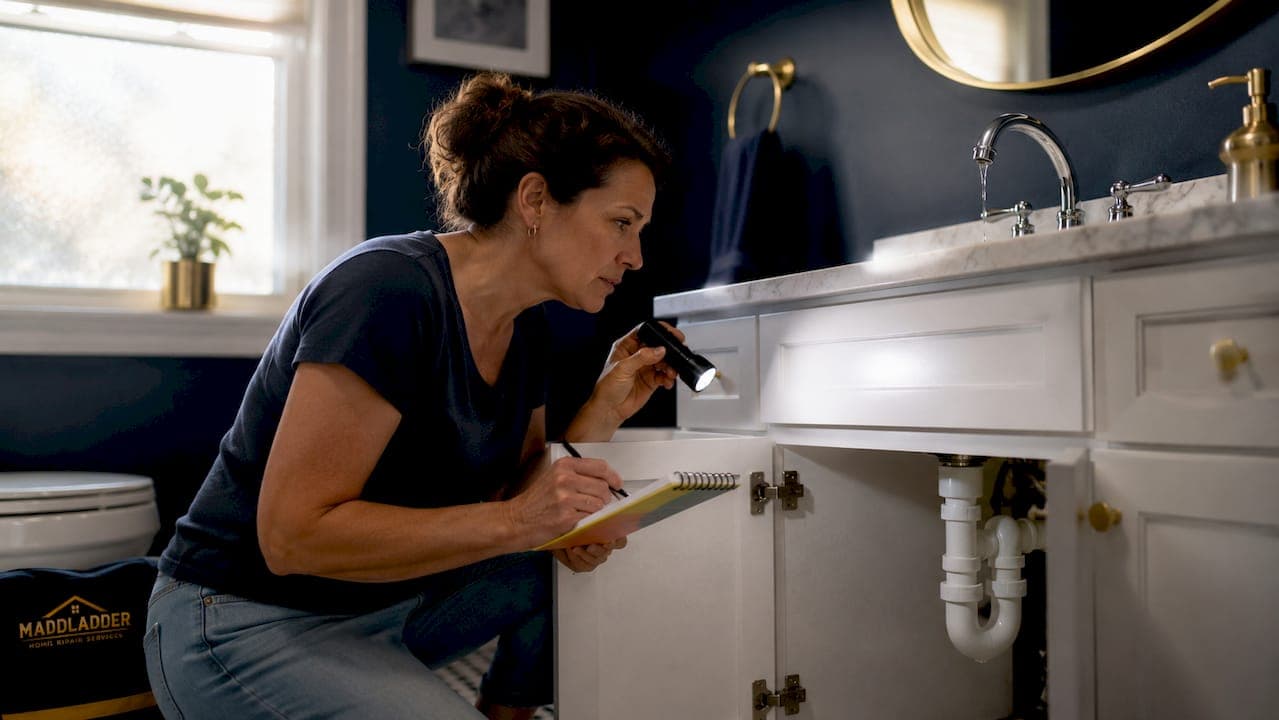
I have seen the same pattern repeat across hundreds of properties. A homeowner notices a small drip under the bathroom vanity. They put a towel under it. Six months later, the subfloor is soft, the cabinet base is rotted, and the repair bill is $3,800. The original fix was a $12 supply line and 20 minutes of work.
The problem is rarely ignorance. Most homeowners know they should fix things early. The real obstacle is the mental category they put minor repairs in. They label them "cosmetic" or "not urgent" and move on. That label is the most expensive mistake in home ownership. Ignoring small fixes because they look cosmetic risks exponential costs and liability exposure.
What actually works is treating every minor issue as a ticking clock. The moment you find it, it starts costing you more. That mindset shift, from "I'll get to it" to "this is costing me money right now," changes behavior faster than any checklist. Property managers who adopt this view consistently spend less on capital repairs and more on planned, predictable maintenance.
The other shift worth making is from solo management to professional support. DIY has its place, but a licensed handyman who knows your property and visits regularly catches things you will miss. That relationship pays for itself within the first year.
— Jennifer
Maddladder keeps small repairs from becoming big problems
Maddladder serves homeowners and property managers across the Kansas City metro with exactly the kind of responsive, licensed repair work that stops minor issues from escalating. Whether you need a dripping faucet fixed, a handrail secured, or a full property walkthrough to document what needs attention, Maddladder handles it efficiently and at a predictable price.

One-time service starts at $75/hour, and subscription maintenance plans give property managers a structured way to stay ahead of repairs year-round. Free estimates make it easy to know your costs before committing. Explore repair and replacement services or check the full services overview to find the right fit for your property. Getting ahead of minor repairs today is the most direct path to avoiding a major repair bill next season.
FAQ
What is the 1-10-100 rule in home repairs?
The 1-10-100 rule states that fixing a defect at its source costs 1 unit, catching it mid-process costs 10, and repairing after failure costs 100. Applied to home maintenance, it means a $50 fix today can prevent a $5,000 repair later.
How much can deferred minor repairs increase costs?
Compounding damage from unaddressed minor repairs can multiply final restoration costs by 4 to 10 times. Emergency call-out fees add another 30–50% on top of the base repair cost.
Which minor repairs should homeowners fix first?
Prioritize safety hazards first: loose handrails, flickering outlets, active leaks, and cracked walkways. These carry the highest risk of injury, liability, and rapid cost escalation if left unaddressed.
How do minor repairs affect home resale value?
Buyers and appraisers treat visible deferred maintenance as evidence of hidden problems. Multiple unaddressed minor repairs can reduce offers by 5–15% and extend time on market significantly.
How often should homeowners inspect for minor repairs?
A walkthrough every three to six months is the standard recommendation. Pair each inspection with a written checklist and a maintenance reserve fund to keep repairs scheduled rather than reactive.