
TL;DR:
- Most minor electrical repairs involve resetting breakers, replacing outlets, or testing GFCIs, suitable for DIY.
- Major issues like panel work or outdated wiring require professional replacement to ensure safety.
- Regular inspections, visual checks, and proper safety procedures help prevent electrical hazards in Kansas City homes.
Knowing which electrical issues you can safely fix yourself and which ones demand a licensed pro is one of the most practical skills a Kansas City homeowner or property manager can develop. Get it wrong in either direction and you're either overpaying for simple fixes or risking a fire hazard that voids your insurance. Kansas City's housing stock skews older, which means unique wiring challenges that generic online advice rarely addresses. This article gives you a clear framework: what counts as a minor electrical repair, which jobs are DIY-friendly, real cost benchmarks, and a simple maintenance routine to keep surprises off your plate.
Table of Contents
- How to identify common minor electrical repairs
- The essential list: types of minor electrical repairs
- DIY or call a pro? Deciding factors for Kansas City properties
- Preventive maintenance: how to reduce electrical surprises
- A smarter approach for Kansas City homeowners and property managers
- Get expert electrical repairs and peace of mind
- Frequently asked questions
Key Takeaways
| Point | Details |
|---|---|
| Know DIY limits | Only basic repairs like bulb and outlet cover replacement should be attempted without a pro. |
| Check safety first | Always turn off power and use voltage testers before any electrical work. |
| Preventive maintenance saves money | Scheduled checks and early fixes prevent costly emergencies and extend property value. |
| Older homes need extra care | Kansas City’s aging housing requires more frequent inspections and caution with electrical repairs. |
| Get help when unsure | If you see scorched wiring or feel uncertain, consult a professional electrician immediately. |
How to identify common minor electrical repairs
Not every flickering light or dead outlet signals a disaster. But knowing how to tell the difference between a quick fix and a serious hazard is what separates a calm homeowner from a panicked one.
Minor electrical repairs generally share a few traits. They involve replacing or resetting components rather than adding new wiring. They don't touch your main panel. And they can be completed without opening walls or disturbing existing circuits. Here are the most common minor repairs you'll encounter:
- Resetting a tripped breaker in your electrical panel
- Replacing a worn outlet or outlet cover plate
- Swapping out a light switch with a matching replacement
- Testing and resetting GFCI outlets in bathrooms, kitchens, and garages
- Replacing smoke or CO detector batteries
- Installing a new light bulb or fixture cover
For Kansas City homes specifically, problem areas in Kansas City homes tend to cluster around aging outlets, outdated two-prong receptacles, and GFCI failures near water sources. A solid routine electrical repair guide can help you stay ahead of these patterns.
Before touching anything, follow this DIY inspection checklist as a baseline: visually scan outlets for discoloration or scorch marks, listen for buzzing near switches, and check whether problems are isolated to one area or spread across the home.
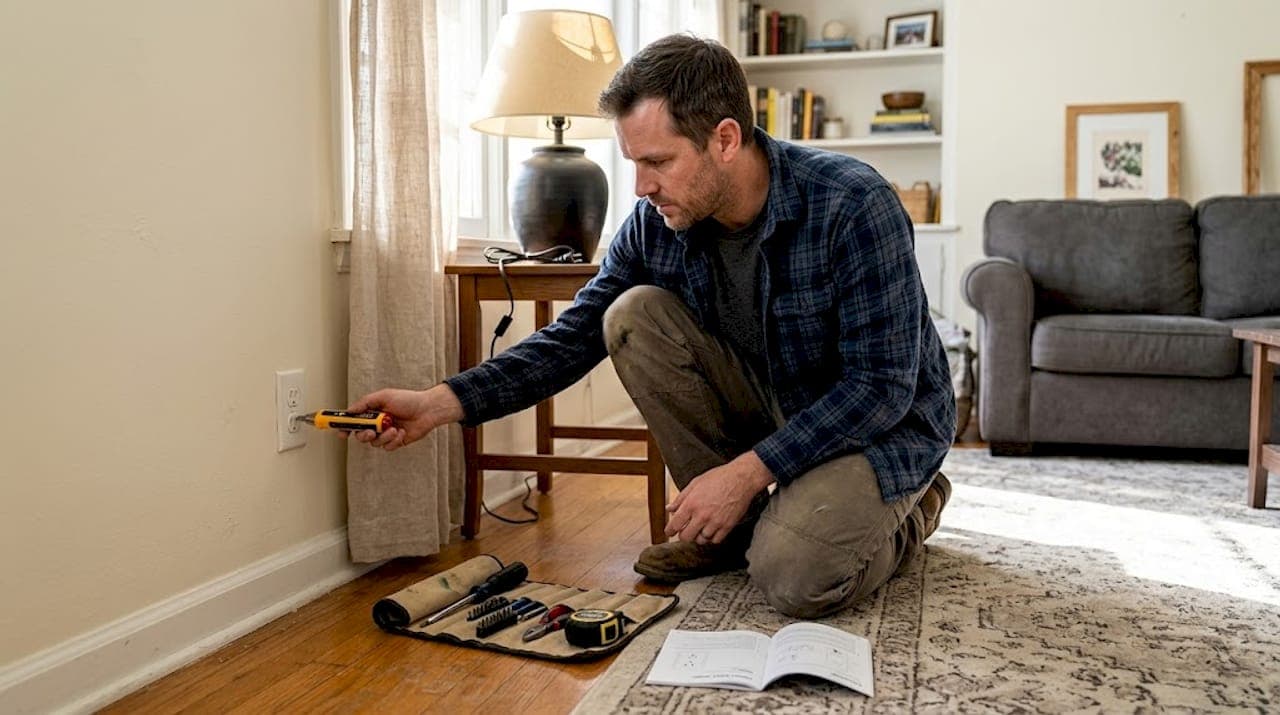
Pro Tip: Always use a non-contact voltage tester before touching any wire or outlet. They cost under $20 at any hardware store and take two seconds to use. This single habit prevents the majority of DIY electrical injuries.
What should you avoid entirely? Anything that involves your breaker panel's internal wiring, running new circuits, or working in a home with knob-and-tube or aluminum wiring. These are not minor repairs regardless of how they look from the outside. If your Kansas City home was built before 1970, assume you may have one of these older systems and get a professional assessment before doing anything more than resetting a breaker.
The essential list: types of minor electrical repairs
Now that you know what to look for, here's a breakdown of the most important minor electrical repairs, with real-world Kansas City context.
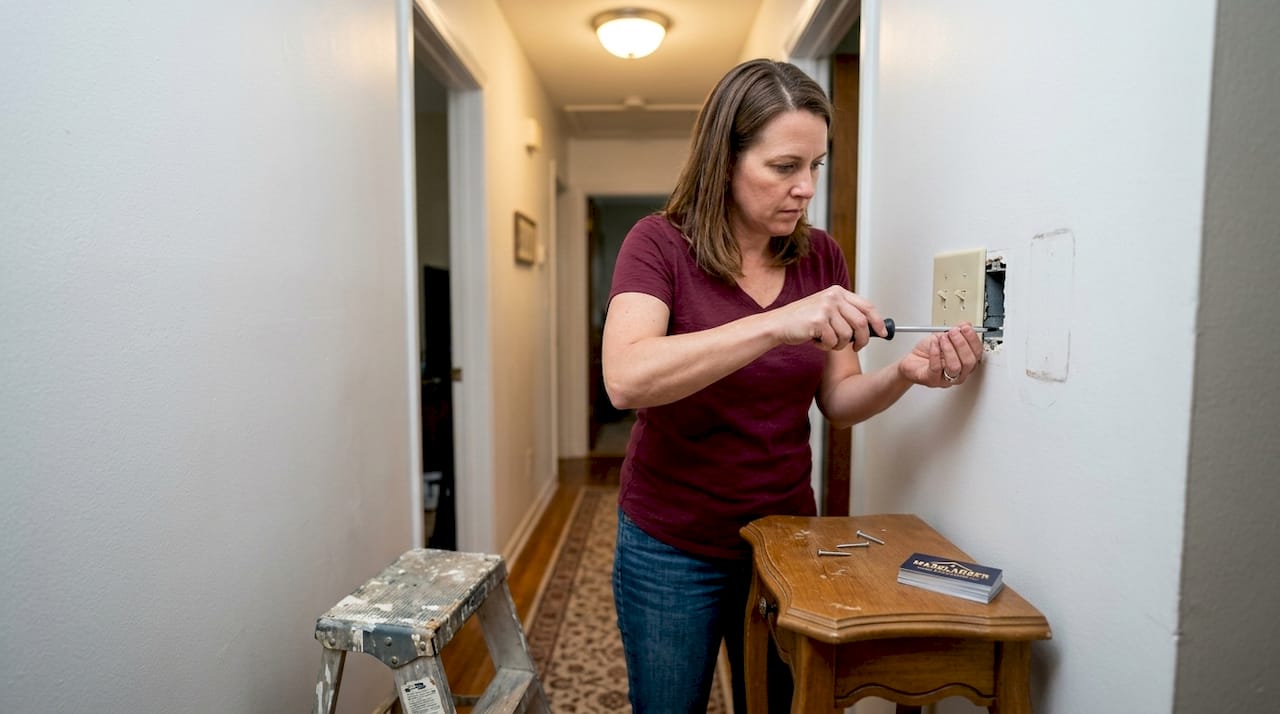
The following table covers the most common repairs, what they typically cost in the KC area, and whether a confident homeowner can handle them. Cost data reflects KC area repair pricing for 2026.
| Repair type | Average KC cost | DIY-suitable? |
|---|---|---|
| Resetting a tripped breaker | $0 | Yes |
| Replacing an outlet or switch | $100 to $150 | Yes, with caution |
| GFCI outlet installation | $130 to $185 | Yes |
| Light fixture replacement | $150 to $225 | Yes, simple fixtures |
| Smoke/CO detector replacement | $20 to $60 | Yes |
| Ceiling fan installation | $150 to $350 | Maybe, if box-rated |
| Dimmer switch installation | $100 to $175 | Yes |
For comparison, a full home rewiring project in Kansas City averages between $8,000 and $15,000. That number alone makes the case for staying on top of minor repairs before small issues snowball.
Here's what to watch for with each common repair type, based on home electrical repair guidance from industry sources:
- Outlets and switches: Warm to the touch, discoloration, or sparking are red flags. Replace like-for-like and always turn off the breaker first.
- GFCI outlets: These protect you from shock near water. If the reset button doesn't hold, replace the unit entirely rather than resetting repeatedly.
- Light fixtures: Match the wattage rating on the fixture. Overloading a socket with a bulb that's too powerful is a common cause of overheating.
- Ceiling fans: The electrical box in your ceiling must be rated for a fan's weight and movement. Standard light boxes are not fan-rated. This is where DIY can go wrong fast.
Pro Tip: Before purchasing a replacement outlet or switch, photograph the existing wiring connections with your phone. It makes reinstallation far less stressful and reduces errors.
For a full breakdown of what these jobs cost locally, see electrical repair pricing or browse the Kansas City DIY repair guide for step-by-step instructions on the safest repairs.
DIY or call a pro? Deciding factors for Kansas City properties
Understanding repair types is only half the battle; here's how to decide when to tackle an issue yourself and when to trust a pro.
This comparison table cuts through the noise:
| Situation | DIY okay? | Call a pro? |
|---|---|---|
| Resetting breaker (no burning smell) | Yes | No |
| Replacing outlet, same type | Yes | No |
| Breaker keeps tripping | No | Yes |
| Panel work of any kind | No | Yes |
| Adding a new circuit | No | Yes |
| Old wiring visible in walls | No | Yes |
| GFCI replacement (bathroom) | Yes | No |
| Burning smell near any outlet | No | Yes, immediately |
When you do tackle a DIY repair, follow these steps in order:
- Turn off the breaker for the circuit you're working on.
- Verify power is off with a non-contact voltage tester before touching any wire.
- Wear rubber-soled shoes and avoid working in damp areas.
- Match the replacement part exactly — same amperage, same wire gauge, same style.
- Restore power only after everything is reassembled and you've done a visual check.
Kansas City has its own risk factors. Severe spring storms can cause power surges that damage outlets and switches. Moisture intrusion from flooding or high humidity can compromise wiring in older crawl spaces and basements. These edge cases are where Kansas City wiring hazards become relevant and where even a "minor" repair can mask something bigger underneath.
The guidance from electrical DIY safety resources is clear: if you see scorch marks, smell burning, or notice flickering that changes with load, stop and call a professional. According to emergency electrical repair data, DIY electrical mistakes contribute to thousands of house fires annually across the U.S. The savings aren't worth the risk when red flags are present.
If you're unsure whether your repair qualifies as minor, consult licensed handymen in Kansas City who can assess the job before you commit. For property managers juggling multiple units, having a reliable system for scheduling home repairs makes this process far more manageable.
Preventive maintenance: how to reduce electrical surprises
No matter who does the repair, stopping issues before they become major is the easiest way to save time and money.
A simple maintenance routine makes a significant difference. Here's what we recommend for Kansas City properties:
- Monthly visual walk-through: Check all accessible outlets and switches for discoloration, cracks, or warmth. Look at your breaker panel for any tripped breakers.
- Test GFCI outlets monthly: Press the test button, confirm power cuts, then press reset. If it doesn't respond correctly, replace it.
- Test smoke and CO detectors monthly: Most detectors have a test button. Replace batteries every six months regardless of the low-battery chirp.
- Inspect exterior outlets and fixtures after major storms: Kansas City's spring storm season puts outdoor electrical components at risk from moisture and physical damage.
- Schedule a professional inspection annually: An electrician can catch deteriorating wire insulation, overloaded circuits, and panel issues before they become emergencies.
- Check light fixtures for signs of heat damage: Yellowed plastic around bulb sockets indicates overloading. Correct the bulb wattage immediately.
"Electrical failures rarely happen without warning signs. The problem is that most homeowners don't know what to look for until something goes wrong. Regular preventive checks are the single most cost-effective investment in home safety." — United Facilities & Field Services, electrical preventive maintenance
For property managers, this routine is especially valuable. A small maintenance issue caught during a monthly walk-through at a rental unit costs a fraction of what an emergency repair or insurance claim will run you. See home improvement value examples for real numbers on how preventive upkeep affects property value in the KC area.
A smarter approach for Kansas City homeowners and property managers
Most DIY-vs-pro advice treats every homeowner and every home the same. That's where it falls short. In Kansas City, the age of your home matters enormously. A house built in the 1950s has fundamentally different electrical risk than one built in 2005, even if the outlet that needs replacing looks identical from the outside.
We've seen homeowners successfully handle dozens of minor repairs with zero issues. We've also seen a simple outlet swap uncover aluminum wiring that required immediate professional attention. The difference wasn't skill level. It was whether the homeowner knew what to look for beneath the surface.
The most common mistakes we observe: skipping the voltage tester step, assuming a new house has no wiring issues, and property managers deferring maintenance until a tenant reports a problem. Each of these is avoidable with a small investment of time and attention.
The smarter play is a hybrid model. Handle the straightforward replacements yourself using proper safety steps. Build in a scheduled annual professional review to catch what eyes can't see. And maintain a clear line in the sand: the moment you see scorching, smell burning, or find yourself looking at your panel's internals, that's where DIY ends. Review transparent KC repair pricing so you know what professional help actually costs before you need it in a pinch.
Get expert electrical repairs and peace of mind
Some repairs are simply too risky to leave to chance, and that's where local professional support makes all the difference.

At MaddLadder, we handle Kansas City electrical repair services that go beyond what a typical DIY approach can safely cover. Our licensed handymen serve homeowners and property managers throughout the KC metro, offering fast response times, code-compliant work, and straightforward transparent electrical repair pricing with no hidden fees. Whether you need a GFCI replaced, a fixture installed, or a full property electrical assessment, we make it easy to get the help you need without the guesswork. Request a free estimate today.
Frequently asked questions
What are the safest electrical repairs a homeowner can do?
Homeowners can safely replace bulbs, reset breakers, swap outlet covers, and test or reset GFCIs as long as power is off and the work involves no new wiring. These DIY-suitable minor repairs require basic tools and a non-contact voltage tester.
How much does a typical minor electrical repair cost in Kansas City?
Minor repairs like outlets, GFCIs, and switches generally range from $100 to $225 in Kansas City, depending on complexity and parts.
When should I NOT attempt a DIY electrical repair?
Never DIY electrical panels, wiring changes, or work in homes with old or scorched wiring. These situations require a licensed electrician, as DIY electrical mistakes contribute to thousands of house fires annually.
What preventive steps help avoid electrical emergencies?
Monthly visual checks, regular GFCI and detector testing, and annual professional inspections are the most reliable way to catch problems before they escalate.
Do Kansas City's older homes need different electrical care?
Yes. Older KC homes often have outdated wiring and face higher fire risk, making more frequent inspections and professional evaluations especially important for long-term safety.