
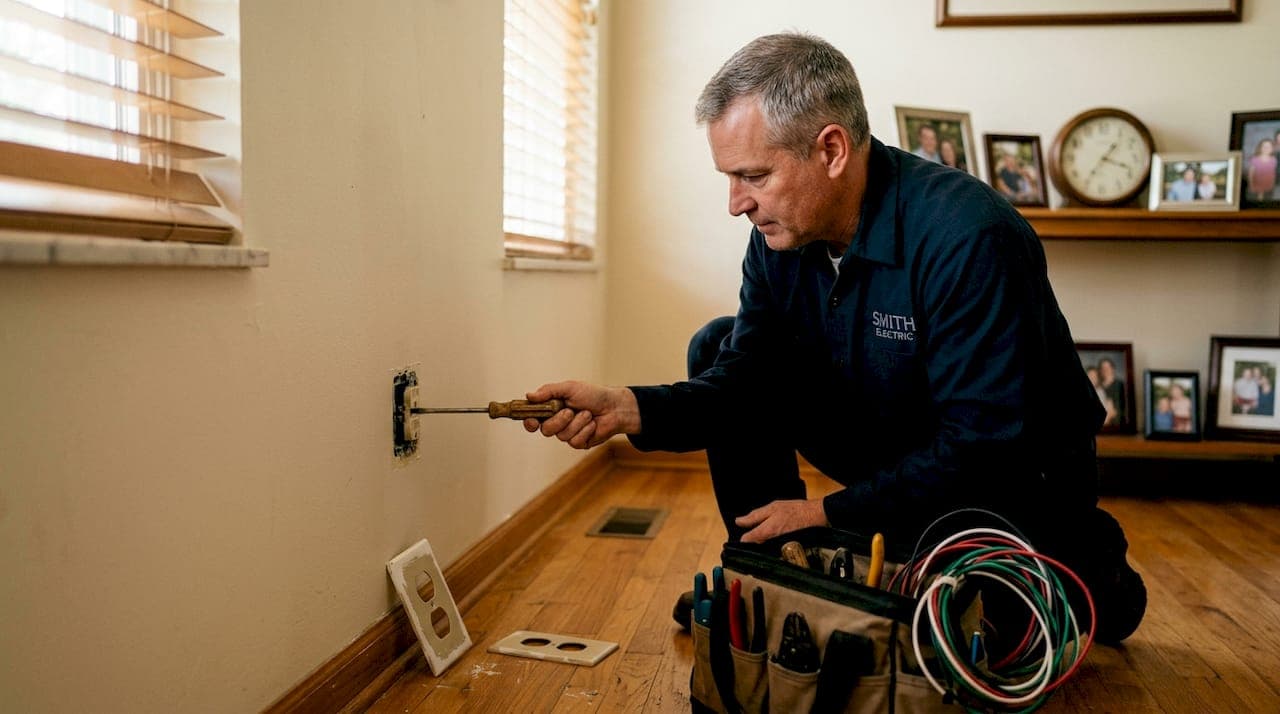
Many homeowners think any electrical fix requires calling an electrician or pulling permits, but that's not true. Routine electrical repair covers simple, safe maintenance tasks you can manage or have done without major hassle. Understanding what qualifies as routine repair helps you keep your Kansas City property safe, functional, and compliant while avoiding unnecessary costs. This guide walks you through what routine electrical repair includes, common techniques, costs, and when to call professionals so you can make informed decisions about your home's electrical system.
Table of Contents
- Understanding Routine Electrical Repair: What It Includes And Why It Matters
- Common Techniques And Expert Nuances In Routine Electrical Repair
- Costs, Timing, And Real-World Benefits Of Routine Electrical Repair
- Routine Electrical Repair Vs Major Electrical Work: What Homeowners Need To Know
- Explore Expert Electrical Repair Services With MaddLadder
- Frequently Asked Questions
Key takeaways
| Point | Details |
|---|---|
| Routine repairs are minor fixes | These include outlet replacement, GFCI testing, and tightening connections without permits. |
| Preventive maintenance cuts emergencies | Regular checks reduce emergency repairs by 30 to 50% and prevent fire hazards. |
| Aluminum wiring needs specialists | Aluminum wiring requires special AL/CU connectors or pigtails, not typical routine methods. |
| Know when to call pros | Energized panels, complex wiring, and capacity changes require licensed electricians. |
| Monthly testing is essential | Testing GFCI and AFCI outlets monthly ensures safety devices protect against shocks. |
Understanding routine electrical repair: what it includes and why it matters
Routine electrical repair refers to minor fixes that don't require permits or major alterations to your electrical system. These are like-for-like replacements and preventive checks that keep your property safe and functional. Think of swapping out a worn outlet, tightening a loose connection, or testing safety devices. These simple tasks reduce emergency repairs by 30 to 50%, saving you money and stress.
Common routine tasks include visual inspections of wiring for damage, monthly testing of GFCI and AFCI outlets to confirm they trip correctly, checking for loose or frayed wires, and tightening screw terminal connections. Backstab connections, where wires push into the back of outlets, fail over time and should be replaced with screw terminals for reliability. These checks take minutes but catch problems before they escalate.
Preventive routine maintenance is a game changer. Regular inspections prevent over 31,000 annual US electrical fires, protecting lives and property. For Kansas City homeowners and property managers, this means fewer emergency calls, lower repair bills, and peace of mind knowing your electrical system is in good shape. Routine maintenance also keeps you compliant with local safety standards, which is critical for rental properties.
Recognizing the difference between routine and major electrical repairs helps you avoid costly mistakes. Routine repairs are straightforward and often manageable with basic knowledge or a quick call to MaddLadder. Major work, like adding circuits or upgrading panels, requires permits and licensed electricians. Knowing where the line is drawn empowers you to handle minor issues confidently while staying safe.
Pro Tip: Set a monthly reminder on your phone to test GFCI and AFCI outlets. Push the test button, confirm the outlet trips, then reset it. This simple habit catches early signs of problems before they become costly repairs.
Here are the most common routine electrical repair tasks:
- Visual inspection of outlets, switches, and visible wiring for cracks, discoloration, or damage
- Monthly testing of GFCI and AFCI outlets to ensure they trip and reset properly
- Tightening loose wire connections at outlets and switches using screw terminals
- Replacing worn or damaged outlets and switches with identical rated components
- Checking for frayed or exposed wiring and securing loose cables
Common techniques and expert nuances in routine electrical repair
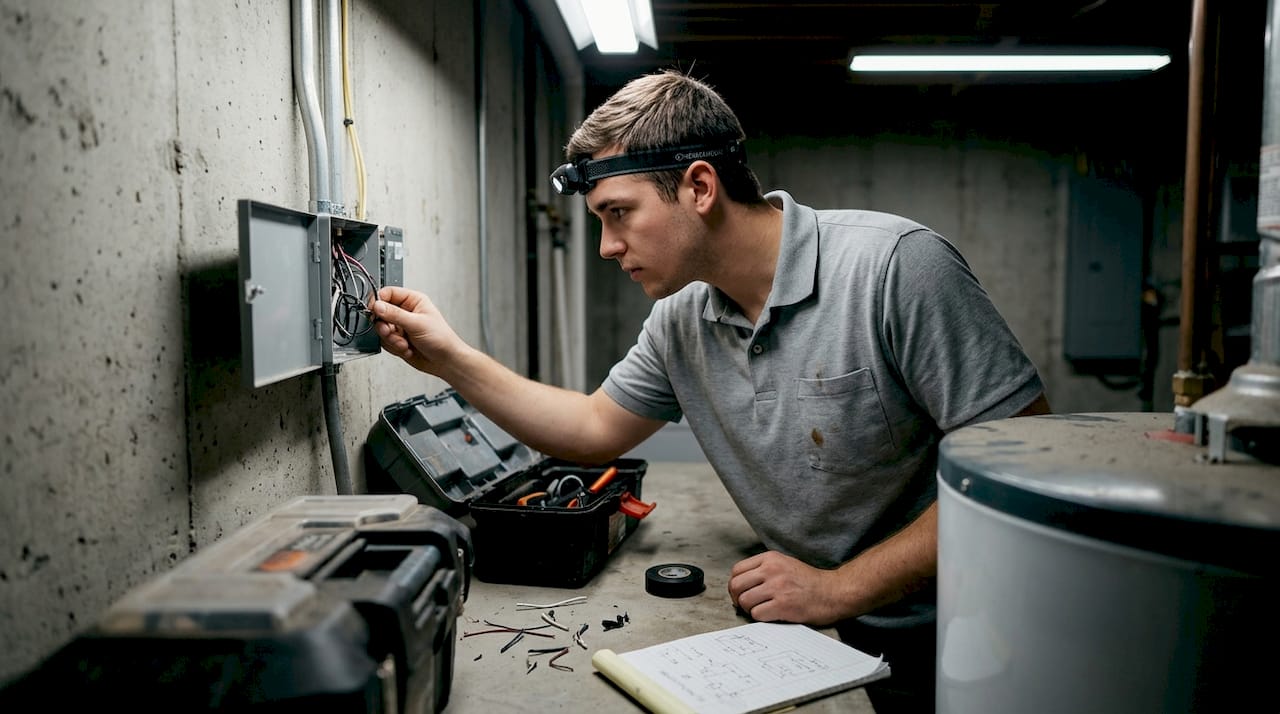
Visual inspections are the foundation of routine electrical repair. You're looking for wire condition, connection tightness, and signs of damage like scorch marks or melted plastic. These clues reveal hidden risks before they cause fires or shocks. Inspections take minutes but provide critical safety insights. Focus on outlets, switches, and any visible wiring in basements, attics, or utility rooms.
Testing GFCI and AFCI outlets monthly ensures these safety devices function properly. GFCI outlets protect against shocks in wet areas like kitchens and bathrooms. AFCI outlets detect arc faults that cause fires. Push the test button, confirm the outlet trips, then reset it. If it doesn't trip, replace the outlet immediately. This simple test is a non-negotiable part of routine maintenance.
Loose neutrals cause flickering lights during load changes, like when appliances turn on. This intermittent fault requires load and thermal testing beyond simple resets. Loose connections and faulty wiring are common hidden risks best caught by proactive inspections. If you notice flickering, call a professional to diagnose and fix the issue before it damages your electrical system or creates a fire hazard.
Backstab connections, where wires push into the back of outlets, are unreliable long term. These connections fail over time, causing loose contacts and heat buildup. Always use screw terminal connections for durability. Wrap the wire clockwise around the screw, tighten firmly, and ensure no bare wire is exposed. This method creates a secure, long lasting connection that won't loosen over time.
Aluminum wiring demands special handling beyond routine repair. Homes built in the 1960s and 1970s often have aluminum wiring, which expands and contracts differently than copper. This requires AL/CU connectors or pigtail methods approved by the CPSC. Standard routine repair techniques don't apply. If your home has aluminum wiring, hire a licensed electrician familiar with these specialized methods to avoid fire risks.
Pro Tip: Never attempt repairs on energized panels or aluminum wiring yourself. These tasks require professional expertise and equipment to ensure safety. Hire a licensed electrician for these jobs.
"Loose connections and faulty wiring are common hidden risks best caught by proactive inspections."
Here's a step by step approach to routine electrical repair:
- Turn off power at the breaker before starting any repair to eliminate shock risk.
- Inspect the outlet or switch for visible damage, discoloration, or loose wires.
- Remove the device and check wire connections, ensuring they're tight and secure.
- Replace backstab connections with screw terminal connections for reliability.
- Test the repaired outlet or switch with a multimeter or plug in device to confirm proper function.
- Restore power at the breaker and verify the repair works as expected.
Costs, timing, and real-world benefits of routine electrical repair
Routine electrical repair requests account for about 15 to 20% of property maintenance issues in Kansas City. This makes electrical work one of the most common maintenance needs for homeowners and property managers. Addressing these requests promptly prevents small problems from becoming expensive emergencies. Understanding typical costs and timing helps you budget effectively and prioritize repairs.
A typical single repair takes 30 to 120 minutes, depending on complexity. Routine repair costs range from $250 to $600, covering labor, materials, and testing. Adding a new outlet typically costs $138 to $327, reflecting standard routine repair pricing. These figures give you a realistic baseline for planning maintenance budgets and evaluating quotes from service providers.
Annual electrical maintenance budgets around 1 to 2% of property value help prevent costly emergencies. For a $250,000 home, that's $2,500 to $5,000 per year. This covers routine inspections, minor repairs, and testing to keep your electrical system safe and functional. Preventive maintenance saves money by reducing emergencies, which often cost three to five times more than planned repairs. Investing in routine maintenance is smart financial planning.
The benefits of routine electrical repair extend beyond cost savings. Fewer emergencies mean less stress and disruption for you and your tenants. Enhanced tenant safety improves satisfaction and retention, which is critical for rental properties. Compliance with local safety standards protects you from liability and keeps your property marketable. Routine repairs also extend the lifespan of your electrical system, delaying expensive upgrades.
Here's a data table contrasting typical repair tasks, estimated duration, and cost ranges to assist budgeting decisions:
| Repair Task | Estimated Duration | Cost Range |
|---|---|---|
| Outlet replacement | 30 to 60 minutes | $138 to $327 |
| GFCI testing and replacement | 45 to 90 minutes | $200 to $400 |
| Tightening loose connections | 20 to 40 minutes | $100 to $250 |
| Switch replacement | 30 to 60 minutes | $150 to $300 |
| Visual wiring inspection | 60 to 120 minutes | $250 to $600 |
Financial and safety benefits of routine over reactive repairs include:
- Lower overall maintenance costs by catching issues early before they escalate
- Reduced risk of electrical fires and shocks, protecting lives and property
- Improved tenant satisfaction and retention through proactive property care
- Compliance with local safety codes, avoiding fines and liability issues
- Extended lifespan of electrical components, delaying costly system upgrades
- Predictable budgeting with scheduled maintenance instead of surprise emergency bills
Routine electrical repair vs major electrical work: what homeowners need to know
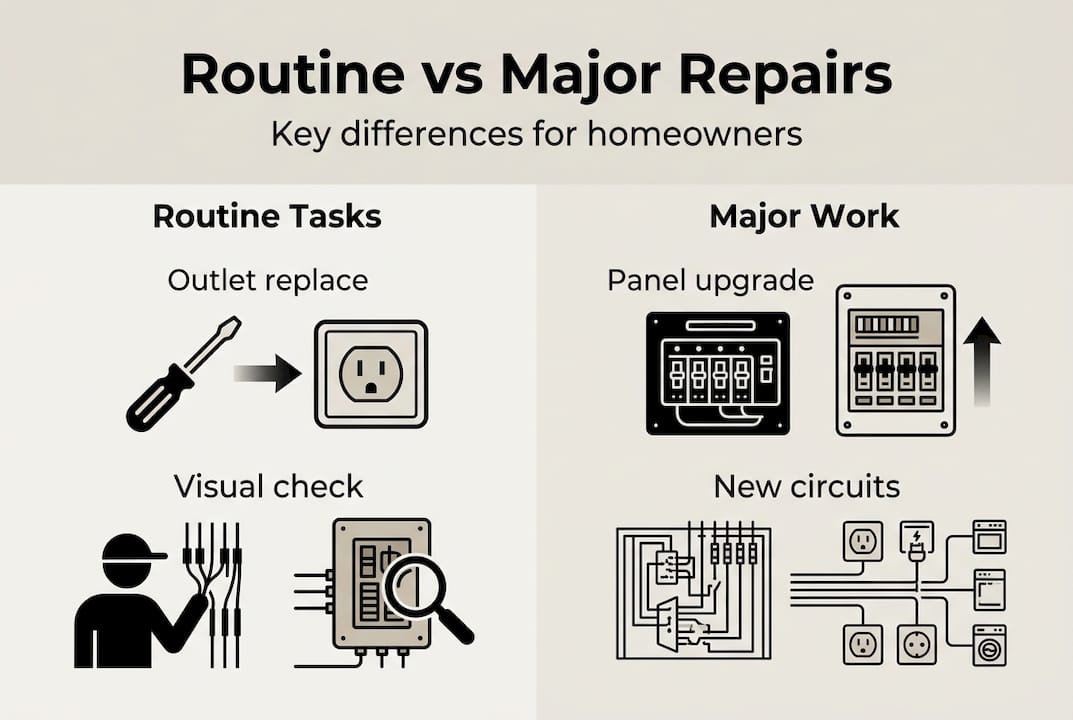
Routine repairs typically include simple like-for-like fixes such as replacing outlets or switches without altering system capacity. These tasks don't require permits because they maintain existing functionality without changing your electrical setup. You're swapping a worn component for an identical rated replacement. This keeps your system safe and compliant without the paperwork or expense of major work.
Major electrical work includes panel upgrades, adding circuits, or capacity changes which require permits and professional licenses. These projects alter your electrical system's capacity or configuration, triggering code requirements and inspections. Examples include upgrading from 100 amp to 200 amp service, adding a subpanel for a home addition, or rewiring a room. These jobs demand licensed electricians and city permits to ensure safety and code compliance.
DIY is acceptable for visual inspections and GFCI testing. These tasks involve no live electrical work and carry minimal risk when done correctly. You're simply looking for visible damage or pressing a test button. Any energized panel work or complex wiring should be done by professionals. Opening a live panel or working with aluminum wiring without proper training creates serious shock and fire risks. Know your limits and call MaddLadder when in doubt.
Preventive routine maintenance is cost effective, while reactive major repairs are usually costly and complex. Routine maintenance catches small issues before they require major intervention. A loose connection fixed today prevents a panel fire tomorrow. Reactive repairs happen after something fails, often requiring emergency service rates and extensive troubleshooting. The cost difference is substantial, making routine maintenance a smart investment.
Here's a comparison table highlighting key differences in scope, permit requirements, cost, and who should perform each type of work:
| Aspect | Routine Electrical Repair | Major Electrical Work |
|---|---|---|
| Scope | Like-for-like component replacement, testing, inspections | Panel upgrades, circuit additions, capacity changes |
| Permit Required | No | Yes |
| Typical Cost | $100 to $600 per repair | $1,000 to $5,000+ per project |
| Who Performs | Homeowner (inspections/testing) or handyman | Licensed electrician |
| Time Required | 30 to 120 minutes | Several hours to multiple days |
Decision tips for homeowners: when to inspect, when to DIY minor tests, and when to call licensed electricians:
- Inspect monthly: Check outlets, switches, and visible wiring for damage or discoloration.
- DIY testing: Test GFCI and AFCI outlets monthly using the test button.
- Call for loose connections: If lights flicker or outlets feel warm, call a professional immediately.
- Avoid energized panels: Never open or work inside a live electrical panel yourself.
- Hire for aluminum wiring: Aluminum wiring requires specialized knowledge and tools.
- Get permits for major work: Any capacity change or circuit addition needs a licensed electrician and permit.
Explore expert electrical repair services with MaddLadder
Maintaining your property's electrical system doesn't have to be stressful. MaddLadder offers professional, trustworthy electrical repair services specializing in routine maintenance and minor repairs for Kansas City homeowners and property managers. Their expertise ensures safety compliance and reduces emergency repair risks, keeping your property secure and functional year round.

MaddLadder's electrical services include outlet replacement, GFCI and AFCI testing, wiring inspection, and connection tightening. Their team handles the routine tasks covered in this guide with professionalism and attention to detail. Whether you manage a single family home or multiple rental properties, MaddLadder provides dependable electrical repair solutions tailored to your needs. Contact them today for a free estimate and experience the peace of mind that comes with expert electrical care.
Frequently asked questions
What is routine electrical repair?
Routine electrical repair covers minor maintenance tasks like replacing outlets, testing GFCI devices, and tightening connections without altering your electrical system's capacity. These repairs don't require permits and focus on keeping existing components safe and functional.
What safety tips should homeowners follow for minor electrical repairs?
Always turn off power at the breaker before starting any repair. Use insulated tools and a voltage tester to confirm power is off. Never work on energized panels or aluminum wiring yourself; hire a licensed electrician for these tasks.
How often should routine electrical inspections or testing be performed?
Test GFCI and AFCI outlets monthly to ensure they trip and reset properly. Conduct visual inspections of outlets, switches, and visible wiring quarterly. Schedule a professional inspection annually to catch issues early and maintain safety.
What signs indicate professional help is necessary beyond routine tasks?
Call a professional if you notice flickering lights, warm outlets, burning smells, or frequent breaker trips. These symptoms indicate underlying issues requiring diagnostic tools and expertise. Also call for any work involving energized panels, aluminum wiring, or circuit additions.
Can routine electrical repair prevent major electrical problems?
Yes, routine repairs catch small issues before they escalate into major problems. Regular testing and inspections identify loose connections, worn components, and safety device failures early. This proactive approach prevents fires, shocks, and costly emergency repairs.
How much does routine electrical repair typically cost in Kansas City?
Routine electrical repairs in Kansas City typically cost $250 to $600 per service call, depending on the task's complexity. Adding a new outlet costs $138 to $327. Budgeting 1 to 2% of your property's value annually for electrical maintenance covers routine repairs and inspections.