

Protecting rental property from weather starts with three moves you can make before the next storm hits: inspect and clear your gutters and downspouts, photograph every room and exterior surface for a timestamped baseline, and confirm your insurance policy covers wind damage and that flood coverage is separate. Those three steps alone address the most common failure points landlords face after a weather event. If a storm is already in the forecast, the immediate triage is simple: advise tenants on shelter or evacuation per local emergency orders, secure or remove outdoor furniture and loose items, then document the property's current condition before anything changes.
Weather-related losses in the U.S. are not a fringe risk. NOAA's NCEI Billion-Dollar Weather and Climate Disasters dataset tracks the cumulative economic toll of major weather events across the country, and the trend line has moved steadily upward. For a landlord with one or two rental units, a single hail storm or flash flood can wipe out a year's net income if the property isn't prepared and the insurance isn't right.
- Inspect gutters, downspouts, and drainage before each storm season and immediately after any major storm.
- Photograph every room, exterior wall, roof edge, and mechanical system with timestamps before storm season and again right after any event.
- Review your landlord insurance policy to confirm wind coverage limits, named-storm deductibles, loss-of-rent provisions, and whether flood is included (it almost never is).
Key Takeaways
Protecting rental property from weather requires consistent seasonal maintenance, accurate documentation, and the right insurance coverage in place before a storm arrives.
| Point | Details |
|---|---|
| Document before every storm | Timestamped baseline photos by room and exterior face speed claims and resolve adjuster disputes. |
| Flood insurance is always separate | Standard landlord policies exclude flood; NFIP or private flood coverage must be purchased independently. |
| Gutters and drainage first | Routine gutter and downspout maintenance prevents the majority of water intrusion claims at low cost. |
| Hire licensed pros for life-safety work | Electrical, structural, and roof replacement work requires licensed contractors, not DIY or handyman fixes. |
| Maddladder for Kansas City landlords | Maddladder handles seasonal prep, post-storm repairs, and smart home upgrades for rental properties across the KC metro. |
Useful resources for landlords
Bookmark these official sources. Each one covers a specific gap that general landlord guides tend to skip.
- Ready: Step-by-step preparedness checklists and before-during-after templates for property owners and households. Start here for emergency plan frameworks.
- Fema: Disaster recovery guidance, documentation requirements for claims, and links to federal assistance programs after declared disasters.
- NOAA NCEI Billion-Dollar Disasters: The authoritative dataset on U.S. weather-related economic losses. Useful for understanding regional risk when reviewing insurance coverage.
- Floodsmart: Explains flood insurance coverage, the NFIP claims process, and why standard policies leave landlords exposed.
- CDC Mold After Flooding: Health guidance for post-flood mold risks and safe cleanup practices to protect tenants and avoid liability.
- SBA Disaster Assistance: Low-interest disaster loans for property owners in federally declared disaster areas — an underused recovery resource.
- National Weather Service Safety: Hazard-specific safety pages for tornadoes, floods, winter storms, and hurricanes, plus alerting and monitoring tools.
Table of Contents
- How do you protect a rental property from weather damage?
- What interior safety items should landlords check before storm season?
- Does landlord insurance cover weather damage?
- How do you communicate with tenants before and after a storm?
- What should you do right after a storm to protect your rental?
- What does a seasonal maintenance schedule look like for rental properties?
- When should you hire a professional instead of doing it yourself?
- Maddladder helps Kansas City landlords stay ahead of weather damage
- Sources
How do you protect a rental property from weather damage?
The exterior is where most weather damage starts, and the roof is the single highest-risk surface on any rental. A loose shingle or a clogged gutter can turn a moderate rainstorm into a $15,000 interior water claim. Run through the checklist below at least twice a year: once in early spring and once in early fall, plus a quick pass 48–72 hours before any named storm or severe weather forecast.
| Area | Specific task | When to do it | Risk if skipped |
|---|---|---|---|
| Roof | Check for missing, cracked, or curling shingles; inspect flashing around chimneys and vents | Spring, Fall, pre-storm | Water intrusion, structural rot |
| Gutters and downspouts | Clear debris; test flow with a hose; extend downspouts 4 feet from foundation | Spring, Fall, after leaf drop | Foundation flooding, basement water |
| Trees and limbs | Trim branches within 10 feet of the structure; remove dead trees | Spring, after any ice storm | Roof puncture, power line contact |
| Windows and doors | Check weatherstripping and caulk; test locks and latches | Spring, Fall | Wind-driven rain infiltration |
| Siding | Inspect for cracks, gaps, or loose panels; recaulk penetrations | Spring, Fall | Moisture behind siding, mold |
| Drainage and grading | Confirm soil slopes away from foundation (several inches over several feet) | Spring | Basement flooding |
| Fences and gates | Check post anchoring and hardware; remove or secure loose sections | Pre-storm | Projectile damage to structure or vehicles |
For the roof, a visual check from the ground with binoculars covers a lot. If you see lifted flashing, missing granules in a concentrated patch, or daylight around a vent boot, that's a professional call. A landlord roof inspection before storm season costs far less than an emergency repair after one. The IBHS FORTIFIED Multifamily standard takes this further, offering incremental retrofit levels (Roof, Silver, Gold) that reduce wind, water, and hail damage systematically. For multifamily owners, even the base Roof designation is worth pricing out.
Gutters deserve more attention than most landlords give them. Routine drainage and gutter upkeep is among the most cost-effective prevention steps available, heading off the majority of water intrusion claims before they start. For properties with heavy tree cover, gutter guards designed for rental properties can cut cleaning frequency significantly.
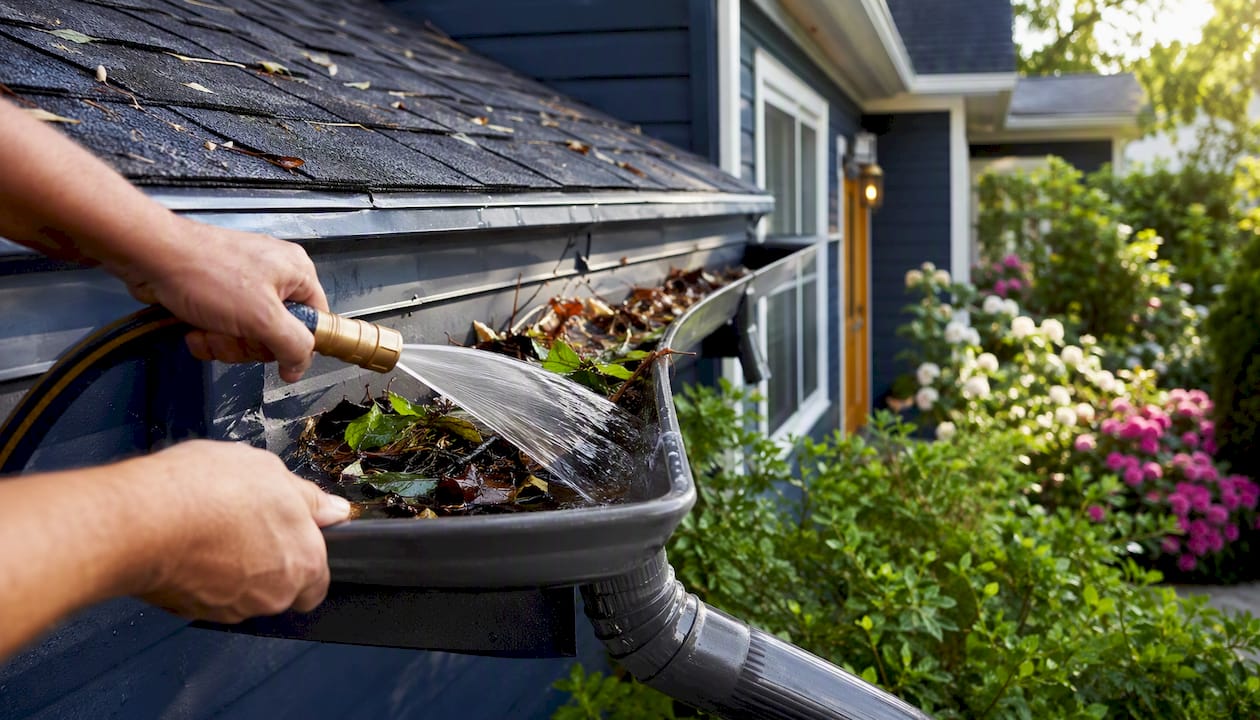
Pro Tip: Tree trimming near power lines and any roof work above one story carries real fall and electrocution risk. Hire a licensed arborist for large limb removal and a licensed roofer for anything that requires walking the roof. A permit may be required for tree removal in many municipalities — check with your local building department before cutting.
What interior safety items should landlords check before storm season?
The interior checklist is shorter than the exterior one, but the stakes are just as high. A working smoke detector and a sump pump with a battery backup can be the difference between a manageable incident and a total loss.
- Smoke and CO detectors: Test every unit. Replace batteries at the start of each season. Detectors older than 10 years should be replaced outright.
- Sump pump: Run a test cycle by pouring water into the pit. If the pump doesn't activate promptly, service or replace it before storm season. A battery backup unit keeps it running during power outages, which is exactly when you need it most.
- Water-leak sensors: Place sensors near water heaters, under sinks, and at the base of HVAC units. Smart sensors that send phone alerts give you a head start on water damage even when the property is occupied and you're not on-site.
- HVAC and vent covers: Confirm exterior vent covers are intact and that dryer vents are clear. During high winds, debris can block or damage these openings.
- Appliance shutoff instructions: Post clear, laminated instructions near the main water shutoff, gas shutoff, and electrical panel. Tenants should know where these are and how to use them.
- Renter's insurance reminder: Landlord insurance covers the structure, not tenants' belongings. Send a written reminder each year that tenants are responsible for insuring their own possessions and that renter's insurance is strongly recommended.
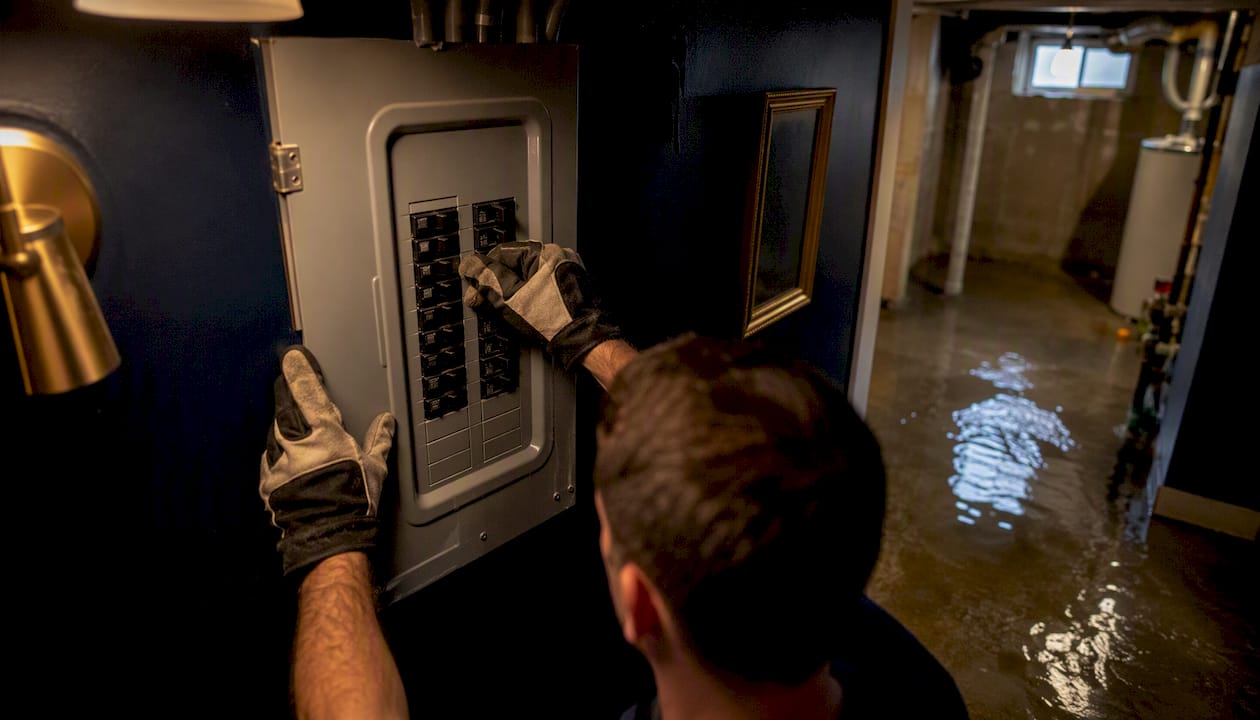
One thing landlords should never ask tenants to do: any electrical work, including resetting breakers during active flooding or a storm. That's a landlord or licensed-professional responsibility, full stop. The National Weather Service is explicit about electrical hazards during flood events, and exposing a tenant to that risk creates liability well beyond the repair cost.
Many Americans are injured in home electrical fires each year, and water intrusion is a common contributing factor. Keeping GFCI outlets functional in kitchens, bathrooms, and any space near water is a basic but often-overlooked protection layer.
Does landlord insurance cover weather damage?
Most standard landlord policies cover wind and hail damage to the structure, but flood damage is a separate product entirely. FloodSmart (NFIP) makes this clear: standard homeowner and landlord policies do not cover flooding, and flood insurance through the National Flood Insurance Program has its own claims history, rules, and waiting periods. A 30-day waiting period applies to most new NFIP policies, so buying flood coverage after a storm watch is issued is too late.
Before each storm season, sit down with your broker and confirm these items:
| Policy item | What to verify | Why it matters |
|---|---|---|
| Wind and hail coverage | Covered perils, deductible amount | Named-storm deductibles can be a small percentage of the insured value |
| Flood insurance | Separate NFIP or private policy in force | Standard policies exclude flood entirely |
| Loss of rents | Trigger conditions, waiting period, coverage cap | Covers income if the unit is uninhabitable |
| Debris removal | Whether it's included or a separate rider | Post-storm cleanup costs add up fast |
| Documentation requirements | What FEMA and your insurer need for a claim | Missing docs delay or reduce payouts |
FEMA's recovery guidance outlines what documentation the agency prefers when landlords file for disaster assistance, and the standard is higher than most people expect. Timestamped photos, receipts for prior repairs, and a written property condition log all matter.
Document before you need to. A baseline photo library taken at the start of each tenancy and updated each spring is the single most effective tool for speeding an insurance claim and resolving disputes about whether damage was pre-existing or storm-caused. Store photos in cloud backup with automatic date-stamping — Google Photos and iCloud both work. The few hours this takes each year can save weeks of back-and-forth with an adjuster.
For landlords in federally declared disaster areas, the SBA disaster assistance program offers low-interest loans to property owners for repair and rebuilding costs not covered by insurance. This is an underused resource that many landlords don't know about until it's too late to apply quickly.
How do you communicate with tenants before and after a storm?
Clear, early communication reduces panic, reduces liability, and gets tenants doing the right things before you have to ask. The messages below are short by design. Tenants are more likely to read and act on a brief, direct text or email than a long letter.
Pre-season message (send in April and October):
- "Hi [Name], storm season is approaching. Please make sure your renter's insurance is current. Move any outdoor furniture or items inside before any storm warning. Know where your unit's water shutoff is located — it's [location]. Contact me at [number] for any maintenance concerns."
Storm watch message (send when a watch is issued):
- "A [storm type] watch has been issued for our area. Please secure all outdoor items now. Avoid using elevators if the building has them. Keep your phone charged. I'll update you as conditions develop."
Storm warning message (send when a warning is issued):
- "A [storm type] warning is in effect. Follow all local emergency orders. If authorities advise evacuation, please leave now. Do not attempt to shelter in a basement during a tornado warning unless it is the designated shelter. Contact me at [number] once you are safe."
All-clear message (send after the event):
- "The storm has passed. Before re-entering the property, check for visible structural damage, downed power lines, or gas odors. If you notice any of these, do not enter — call me immediately at [number] and contact your local utility. Report any damage inside your unit within 24 hours."
Tenant responsibilities before a storm:
- Move vehicles away from trees and low-lying areas.
- Bring in or secure all outdoor furniture, grills, and planters.
- Photograph the contents of their unit for their own renter's insurance records.
- Report any pre-existing leaks, loose fixtures, or broken seals immediately.
Landlord responsibilities:
- Coordinate utility shutoffs if the property needs to be vacated.
- Dispatch pre-vetted vendors for emergency board-ups or tarping.
- Monitor Ready and local emergency management for official shelter and evacuation orders.
For the evacuation decision itself, keep it simple: if a local government issues a mandatory evacuation order, advise tenants to comply immediately. If no order is issued but conditions are severe (Category 2+ hurricane, confirmed tornado warning, rising flood water), advise tenants to follow official guidance from the National Weather Service and local emergency management. Never instruct tenants to stay when authorities say leave.
What should you do right after a storm to protect your rental?
Wait for official all-clear before re-entering. That's the rule, and it's not negotiable. Downed power lines, gas leaks, and compromised structural elements kill people who enter too soon.
Once re-entry is allowed, work through these steps in order:
Step 1: Life-safety check. Walk the exterior before entering. Look for downed lines, visible foundation cracks, leaning walls, or roof collapse. If you smell gas, do not enter. Call the utility company from outside.
Step 2: Utilities. If there is any sign of flooding or electrical damage, shut off power at the main breaker before entering. Do not restore power until a licensed electrician has inspected the panel and wiring.
Step 3: Document everything before touching anything. Take timestamped photos and video of every room, every wall, every ceiling, and every mechanical system. Capture the exterior from all four sides. This is the step most landlords rush past, and it's the one that costs them the most in claims disputes.
Pro Tip: Take photos in a consistent order every time: exterior north, south, east, west; then interior room by room, starting at the entry. Name files with the date and location ("2026-04-15_kitchen-ceiling-SW-corner"). When your baseline photos from before the storm are organized the same way, an adjuster can match them instantly.
Step 4: Temporary repairs. Apply tarps to exposed roof sections, board broken windows, and use hydraulic cement or temporary plugs for any pipe breaches. Keep all receipts. FEMA and most insurers require documentation of emergency mitigation steps as part of the claims process.
Step 5: Mold prevention. Any standing water or wet materials need to be addressed within 24–48 hours. The CDC's guidance on post-flood mold is direct: prompt moisture control and safe cleanup are the primary tools for protecting occupant health. Wet drywall, insulation, and carpet that can't be dried within 48 hours should be removed.
On emergency vendors: establish your vendor list before a storm, not after. A pre-agreed relationship with a plumber, electrician, and general handyman who offer after-hours availability cuts response time and repair costs significantly. Calling cold after a major storm means competing with every other property owner in your area for the same limited pool of contractors.
What does a seasonal maintenance schedule look like for rental properties?
Seasonal maintenance is where landlords either build a resilient property or slowly accumulate deferred problems that become expensive emergencies. A seasonal maintenance schedule doesn't need to be complicated. It needs to be consistent.
| Season | Core tasks | Frequency |
|---|---|---|
| Spring | Inspect roof and flashing; clear gutters; check sump pump; test smoke/CO detectors; inspect foundation for winter cracks; service HVAC | Annual |
| Summer | Trim trees; check window and door seals; inspect siding; test irrigation and drainage; review insurance policy | Annual |
| Fall | Clean gutters after leaf drop; drain exterior hose bibs; check weatherstripping; service furnace; inspect attic insulation | Annual |
| Winter | Monitor for ice dams; check pipe insulation in unheated spaces; respond to tenant reports of drafts or leaks promptly | Monthly during freeze risk |
Ballpark costs for common prevention tasks (Kansas City metro area, 2026):
- Gutter cleaning: $100–$250 per visit for a single-family home, depending on height and linear footage.
- Minor roof repairs (flashing, sealant, 1–3 shingles): $150–$500.
- Tree trimming (single large limb near structure): $200–$800 depending on size and access.
- Sump pump installation (new, with battery backup): $800–$1,500 installed.
- Window weatherstripping and caulking (full unit): $75–$200 in labor for a handyman visit.
For a simple maintenance log, track: date of inspection, area inspected, condition noted, action taken, cost, and vendor name. A spreadsheet or a notes app works fine. The goal is a paper trail that shows your insurer and any future tenant that the property was actively maintained.
- Keep receipts for every repair and inspection.
- Note the name and license number of any contractor who performed work.
- Update the log within 48 hours of any repair so details stay accurate.
A landlord property maintenance guide can help you build this into a repeatable annual system rather than a reactive scramble.
When should you hire a professional instead of doing it yourself?
The DIY-vs.-hire decision comes down to four factors: life-safety risk, permit requirements, scope of damage, and your own skill level. Get any one of these wrong and you're looking at liability, code violations, or a repair that fails during the next storm.
Decision checklist:
- Does the repair involve electrical, gas, or structural systems? If yes, hire a licensed contractor. No exceptions.
- Is a permit required? Roof replacements, electrical panel work, and structural repairs almost always require permits in Missouri. Unpermitted work can void your insurance and create problems at sale.
- Is the repair above one story or on a roof? Fall risk makes this a professional job.
- Is the damage larger than a single room or involves multiple systems? Scope that large needs a general contractor, not a handyman.
- Is the property currently occupied? Tenant safety during repairs is a landlord obligation. Disruptive or hazardous work in an occupied unit needs a licensed pro with proper insurance.
What a licensed handyman handles well:
- Drywall patching and texture matching after minor water damage
- Replacing weatherstripping, door sweeps, and window caulk
- Installing smoke detectors, CO detectors, and water-leak sensors
- Minor plumbing fixes: faucet replacement, toilet repairs, shutoff valve replacement
- Securing loose fence posts, gates, and exterior trim
- Smart home upgrades: water sensors, smart thermostats, video doorbells
What requires a licensed contractor:
- Full roof replacement or major structural roof repairs
- Foundation repair
- Full electrical rewires or panel replacement
- Major plumbing reroutes or sewer line work
- Structural wall removal or repair
Pro Tip: Before hiring any vendor after a storm, verify their license with the Missouri Division of Professional Registration, confirm they carry general liability and workers' comp insurance, and get a written scope of work with a line-item estimate. Storm chasers — out-of-state contractors who follow disasters — are a real risk. Stick to local, established businesses with verifiable references.
The IBHS FORTIFIED Multifamily standard is worth mentioning here for multifamily owners: its incremental Roof, Silver, and Gold levels let you phase contractor-level retrofit work across budget years rather than facing one massive capital outlay. For storm-ready rental roofs, compliance with local codes and FORTIFIED standards often go hand in hand.
What most landlords get wrong about weather prep
The conventional wisdom says weather preparation is about the big stuff: the roof, the windows, the insurance policy. Those matter. But the calls I see most often come from landlords who did the big things right and still took a serious hit because of something small and fixable.
A clogged downspout extension that directs water toward the foundation instead of away from it. A sump pump that was never tested and failed during the first real storm of the season. A tenant who didn't know where the water shutoff was and let a burst pipe run for six hours before calling. These are $50 and $100 fixes that turn into $10,000 claims.
The other thing landlords consistently underestimate is documentation speed. The landlords who recover fastest after a storm aren't the ones with the best insurance. They're the ones with the best photos. A timestamped baseline photo library, organized by room and exterior face, cuts adjuster disputes from weeks to days. The Brookings Institution's analysis of disasters and rental housing points to recovery timelines as one of the sharpest pain points for rental property owners. Documentation is the lever you actually control.
Weather prep isn't a one-time project. It's a maintenance posture. The landlords who treat it that way spend less, recover faster, and keep tenants longer.
Maddladder helps Kansas City landlords stay ahead of weather damage
Kansas City landlords deal with a full range of weather threats: spring tornadoes, summer hail, ice storms, and freeze-thaw cycles that punish foundations and pipes. Maddladder's licensed handyman team handles the prevention and recovery work that keeps rental units safe and rentable year-round.

Before storm season, Maddladder can run through your exterior and interior checklist: weatherstripping and caulk on windows and doors, smoke and CO detector installation, water-leak sensor setup, and minor plumbing fixes like shutoff valve replacements. After a storm, the same team handles drywall patching, trim repairs, and temporary fixes that keep a unit habitable while you wait on a contractor for larger structural work. For landlords who want ongoing coverage, subscription maintenance plans include scheduled seasonal visits so nothing gets missed between tenancies.
Smart home upgrades like water sensors, smart thermostats, and video doorbells give you real-time visibility into what's happening at the property without being on-site. For post-storm repair and replacement work, Maddladder offers free estimates with fast response times across the Kansas City metro. Call or book online to get a free estimate and find out which maintenance plan fits your portfolio.