
TL;DR:
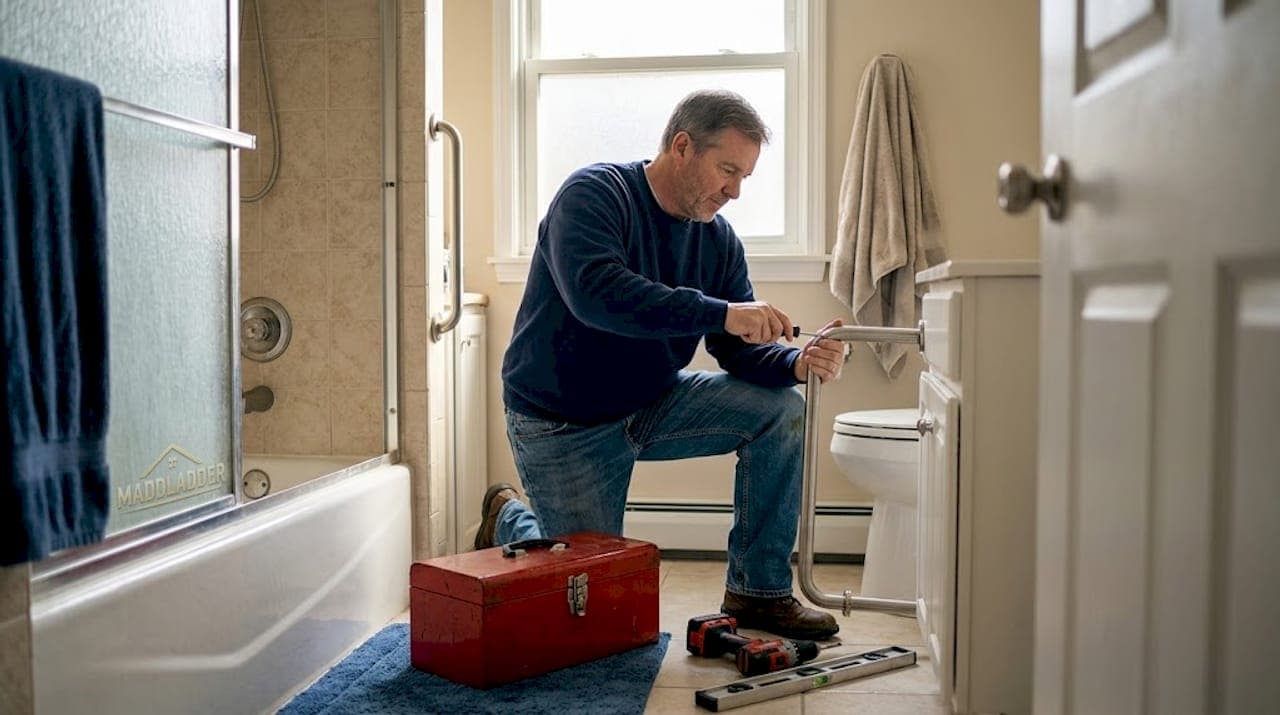
- Falls most often occur in bathrooms, making grab bars a cost-effective safety solution.
- Proper placement and professional installation are crucial for safety and effectiveness.
- Combining grab bars with other safety features enhances fall prevention and increases property value.
One in four older adults falls every year, and the bathroom is where most of those falls happen. That single fact should stop every Kansas City homeowner and property manager in their tracks. Falls are the leading cause of injury and death among older adults, yet the fix is often as straightforward as adding a few well-placed grab bars. This guide walks you through why grab bars work, where to put them, how to install them correctly, and how they can actually increase the value of your property.
Table of Contents
- Why grab bars matter: The real impact on home safety
- Placement and specifications: Getting grab bars right in your home
- Installation options: Professional vs. DIY for Kansas City homes
- Beyond bars: Combining grab bars with broader home safety strategies
- Our perspective: Home safety is never one-size-fits-all (and the Kansas City edge)
- Ready for safer living? How MaddLadder can help
- Frequently asked questions
Key Takeaways
| Point | Details |
|---|---|
| Grab bars reduce falls | Installing grab bars in bathrooms and key areas is proven to prevent falls and serious injuries at home. |
| Placement and specs matter | Grab bars work best when installed at correct heights, locations, and with proper grip—and should follow industry guidelines. |
| Combine for safety | Pairing grab bars with other upgrades like non-slip flooring and good lighting maximizes home safety. |
| Professional help is wise | DIY may suffice for basic setups, but pros are recommended for complex installs or challenging wall types. |
| Boosts property value | Accessible home modifications not only keep residents safe but can also increase long-term property value. |
Why grab bars matter: The real impact on home safety
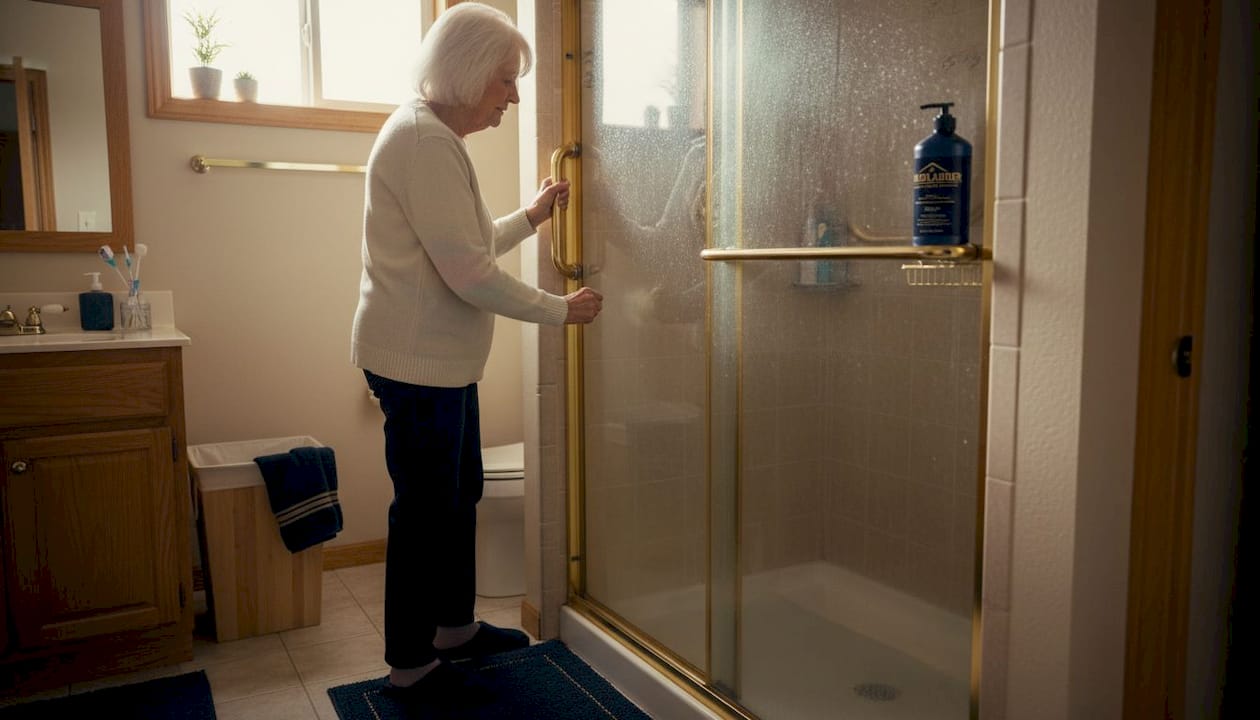
Falls are not just an inconvenience. They are a medical and financial crisis waiting to happen. The CDC confirms that falls are the leading cause of injury-related death for adults 65 and older, with bathrooms being the most dangerous room in any home. Wet floors, slippery tubs, and the awkward movements required to get in and out of a shower create a perfect storm for accidents.
"Grab bars are one of the most cost-effective interventions available for fall prevention at home. Their impact goes well beyond convenience."
The good news is that the research backs up the solution. Systematic reviews confirm that grab bars and handrails meaningfully reduce the number of falls and fall rates in residential settings. This is not anecdotal. These are peer-reviewed findings that point to a clear, affordable action homeowners can take today.
Grab bars are not just for seniors, either. Families with young children, residents recovering from surgery, and anyone with a temporary or permanent disability all benefit. For Kansas City property managers, the math is simple: fewer falls mean fewer liability claims, lower insurance risk, and better tenant retention. Renters increasingly look for essential safety upgrades when choosing a home, and accessible features are becoming a genuine selling point.
Top risk areas in homes where falls occur most often:
- Bathrooms (shower, tub, toilet area)
- Staircases and landings
- Entryways and exterior steps
- Hallways with poor lighting
- Kitchens with slippery tile floors
Understanding where falls happen is the first step toward preventing them. Investing in barrier-free bathroom modifications is a globally recognized strategy, and Kansas City homeowners are increasingly catching on. The ability to upgrade home accessibility is no longer a niche concern. It is a mainstream home improvement priority.
Placement and specifications: Getting grab bars right in your home
Knowing you need grab bars is one thing. Knowing exactly where to put them and what to buy is another. Poor placement is almost as dangerous as no grab bar at all, because it creates a false sense of security.
According to placement best practices, horizontal bars beside the toilet should sit 33 to 36 inches above the floor. Inside the shower or tub, you typically want a combination: a horizontal bar along the back wall for balance while standing, and a vertical or angled bar near the entry point to help with stepping in and out. The entry bar is critical and often skipped.
For grip specifications, the standard recommendation calls for a diameter between 1.25 and 1.5 inches, a textured or knurled finish for grip in wet conditions, and a weight capacity of at least 250 to 500 pounds. Stainless steel is the most durable material for bathroom environments. Avoid chrome-plated plastic, decorative towel bars (which are not load-bearing), and suction cup bars for any permanent safety application.
| Feature | ADA public standard | IRC residential guideline | Recommended practice |
|---|---|---|---|
| Height (toilet) | 33 to 36 inches | Follows ADA | 33 to 36 inches |
| Bar diameter | 1.25 to 1.5 inches | Not specified | 1.25 to 1.5 inches |
| Weight capacity | 250 lbs minimum | Not mandated | 500 lbs preferred |
| Wall reinforcement | Required | Encouraged | Always recommended |
| Suction cup bars | Not permitted | Not recommended | Avoid entirely |
The ADA guidelines apply strictly to public and commercial buildings, but they represent the gold standard for residential practice too. Kansas law now requires that new accessible dwellings include reinforced bathroom walls specifically to accommodate future grab bar installation. This is a smart, forward-thinking code that more homeowners should know about.
Numbered steps for a preliminary placement assessment:
- Stand in your shower or tub and identify where you naturally reach for support when entering or exiting.
- Locate the toilet and note which side feels more natural to push off from when sitting or standing.
- Mark those spots on the wall with painter's tape at 33 to 36 inches from the floor.
- Use a stud finder to identify whether solid backing exists behind those marked areas.
- Decide whether you need blocking added between studs or if you can proceed with standard installation.
Pro Tip: Have someone observe you or a family member going through normal bathroom routines before marking placement. What feels natural in motion is often different from what looks logical on paper. This is especially true for residents with limited mobility or balance issues.
For Kansas City homeowners looking at practical accessibility upgrades, the placement assessment step is where most people skip ahead too fast. Take your time here. A bar installed in the wrong spot is money wasted and a safety risk created. Exploring barrier-free home solutions can also give you a broader picture of how professional designers approach accessible spaces.
Installation options: Professional vs. DIY for Kansas City homes
Here is where a lot of homeowners get into trouble. They buy a quality grab bar, watch a quick video, and assume the job is done. But the surface behind your wall matters enormously.
For standard drywall walls with wooden studs, a confident DIYer can follow basic installation steps: locate the studs, drill pilot holes, drive screws directly into solid wood, and test with full body weight. That process works well and is genuinely manageable for someone comfortable with basic tools.
The problems start when you hit tile, fiberglass, metal studs, or a wall with no studs behind the target area. These situations require specialty drill bits, waterproof sealant around penetrations, toggle bolt anchors rated for the load, or the addition of blocking between studs. Professional installation is strongly advised for any of these scenarios, because an improperly anchored bar can pull free under load, which is exactly the moment someone needs it most.
| Factor | DIY installation | Professional installation |
|---|---|---|
| Cost | $20 to $60 in materials | $100 to $300 per bar |
| Skill required | Basic to moderate | Moderate to advanced |
| Best for | Drywall with wood studs | Tile, no studs, metal studs |
| Risk level | Low if done correctly | Low with experienced installer |
| Warranty/liability | None | Often guaranteed |
| Time | 1 to 2 hours | Under 1 hour typically |
For rental properties, professional installation is almost always the right call. Kansas City landlords who want to boost home value and safety need documentation that the work was done correctly. A licensed handyman can provide that paper trail, which matters for insurance purposes and tenant agreements.
Pro Tip: After any grab bar installation, test it by applying your full body weight in multiple directions. Pull down, push sideways, and lean on it as you would during an actual fall. If there is any movement at all, the bar is not safe. Reinstall or call a professional before using it.
If you are considering a broader bathroom renovation alongside your grab bar project, looking into bath-to-shower conversions can help you plan a fully accessible space from the start rather than retrofitting later. For homeowners who want to tackle some of this themselves, a solid DIY safety upgrades guide can walk you through the decision-making process step by step.
Beyond bars: Combining grab bars with broader home safety strategies
Grab bars are the cornerstone, but they work best as part of a layered safety approach. Think of it like a home security system. One camera helps, but a full setup with motion sensors, lighting, and door locks is far more effective.
Research confirms that combining grab bars with non-slip flooring, improved lighting, and professional home assessments produces significantly better fall prevention outcomes than any single modification alone. The cost per bar typically runs $100 to $300 for professional installation, and the return on investment through avoided injuries, medical costs, and liability exposure is substantial.
"A professional home safety assessment identifies hazards that homeowners often overlook because they have grown accustomed to them. Fresh eyes catch what familiarity hides."
Top complementary upgrades to pair with grab bars:
- Non-slip bath mats and shower inserts rated for wet environments
- Brighter LED lighting in bathrooms, hallways, and stairwells
- Motion-activated night lights for nighttime bathroom trips
- Raised toilet seats for easier sit-to-stand transitions
- Handheld showerheads for seated bathing options
- Threshold ramps to eliminate tripping hazards at doorways
- Decluttered pathways through all high-traffic areas
Each of these upgrades addresses a different part of the fall risk equation. Lighting helps with visual orientation. Non-slip surfaces reduce the chance of a slip even if someone loses their balance. Grab bars provide the recovery point when balance is lost. Together, they create overlapping layers of protection.
For Kansas City homeowners exploring affordable accessibility upgrades, the good news is that most of these additions are relatively low-cost and can be phased in over time. You do not need to do everything at once. Start with the bathroom, which carries the highest risk, and work outward from there.
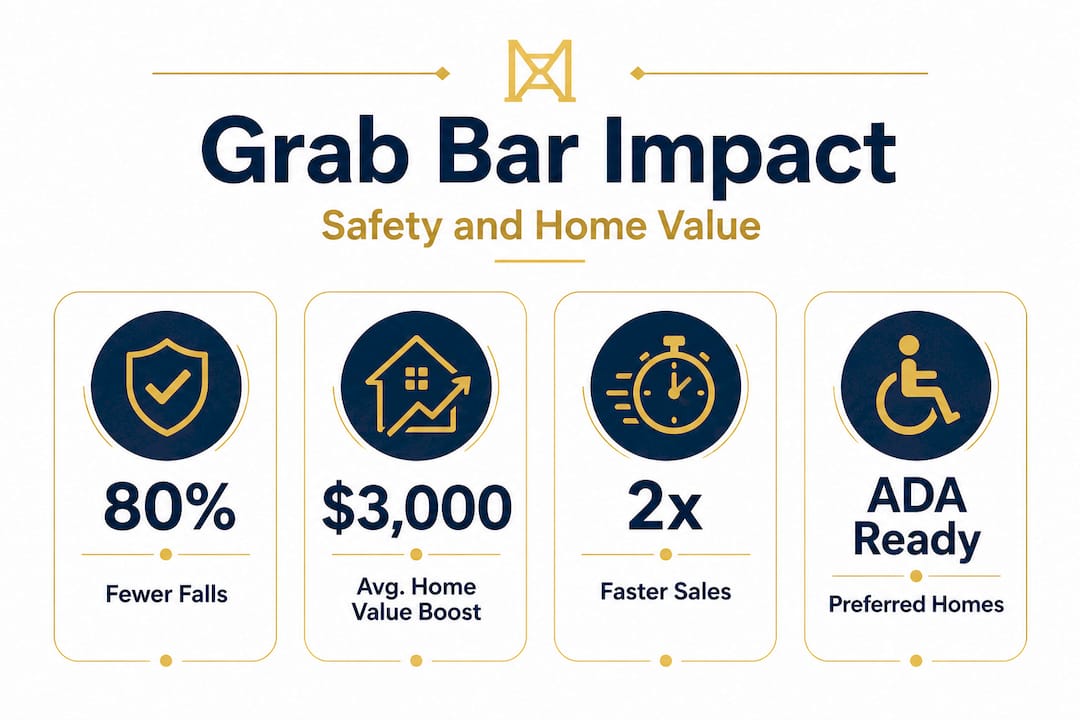
Accessible modifications also have a measurable impact on property value. Homes that are barrier-free shower base ready and equipped with accessibility features appeal to a broader buyer pool, including aging buyers, buyers with family members who have disabilities, and buyers who simply want a home that will serve them long-term. These are value-boosting home improvements that pay dividends both immediately and at resale.
Our perspective: Home safety is never one-size-fits-all (and the Kansas City edge)
Most grab bar guides give you a checklist and call it done. What they miss is the human element. No two households have the same layout, the same residents, or the same risk profile. A 70-year-old recovering from hip surgery has entirely different needs than a 45-year-old managing a multi-unit rental property. Both need grab bars. Neither needs the same solution.
We have seen Kansas City homeowners install grab bars in the "right" locations according to generic guides, only to find they do not match how the resident actually moves through the space. That is why we advocate for what occupational therapists call a "mock transfer," where someone actually goes through the motions of sitting, standing, bathing, and moving through the bathroom while a professional observes and marks optimal bar placement. It takes 20 minutes and changes everything.
Kansas City's evolving building codes reflect a growing awareness of this issue. Kansas statute now requires that new accessible dwellings include reinforced bathroom walls for future grab bar installation. This is not just a compliance checkbox. It signals that the market is moving toward accessibility as a baseline expectation, not an optional upgrade. Property managers who get ahead of this trend will find their units more competitive and their liability exposure reduced.
Pro Tip: Schedule a professional home safety evaluation every few years, or whenever a household member's mobility changes. What worked at 65 may not be adequate at 75. Staying ahead of changing needs is far less expensive than responding to a fall after it happens.
Investing in Kansas City property upgrades that prioritize safety is not just the responsible choice. It is the smart financial choice. Accessible homes sell faster, rent more reliably, and carry lower long-term maintenance costs when falls and related injuries are prevented from the start.
Ready for safer living? How MaddLadder can help
A personalized safety plan starts with expert support, and that is exactly what MaddLadder brings to Kansas City homeowners and property managers.
Our team specializes in ADA safety and mobility services including grab bar installation, ramp construction, and full bathroom accessibility assessments. We work with both standard and challenging substrates, so tile walls and tricky layouts are not a problem. Whether you need a single bar installed or a full suite of safety upgrades across a rental portfolio, our professional installation solutions are built for speed, quality, and lasting results. Flexible pricing starts at $75/hour, and subscription maintenance plans are available for property managers. See pricing options and request your free estimate today.
Frequently asked questions
What is the recommended height for grab bars in home bathrooms?
Grab bars should be installed 33 to 36 inches above the floor, with horizontal bars positioned beside the toilet and inside showers or tubs for maximum support during sitting, standing, and bathing.
Can landlords install grab bars in rental properties in Kansas City?
Yes, and Kansas law now requires reinforced bathroom walls in new accessible dwellings specifically to support future grab bar installation, making proactive upgrades both legal and encouraged.
Are suction cup grab bars safe for daily use?
No. Suction cup bars are intended only for temporary use and should never be relied on for fall prevention, as they can release under load without warning.
How much does professional grab bar installation cost in Kansas City?
Professional installation typically costs $100 to $300 per bar depending on the wall substrate, location, and any custom requirements, with a strong return on investment through reduced fall risk.
How do I know if my bathroom walls can support grab bars?
Drywall with wooden studs supports straightforward installation, but tile, fiberglass, or walls without studs require specialty anchors, blocking, or professional installation to ensure the bar holds under real-world load.