
TL;DR:
- Home safety involves proactive hazard identification and regular maintenance to prevent fires, falls, poisoning, and security breaches. Implementing measures like working smoke alarms, stairway gates, and emergency preparedness routines significantly reduces risks and saves lives. Ongoing vigilance and periodic inspections are essential to ensure safety evolves with your home and family needs.
Home safety is the practice of proactively identifying and eliminating hazards that put your family, guests, and property at risk. You should prioritize home safety because the consequences of neglect are severe and measurable. Home structure fires caused 2,920 civilian deaths and $11.4 billion in property damage across the U.S. in 2024 alone. Falls, poisoning, and security breaches add thousands more injuries to that count every year. The good news is that targeted measures like smoke alarms, first aid kits, stairway gates, and regular safety walkthroughs reduce those risks dramatically. This article explains the specific hazards you face, the measures that work, and how to build a safety routine that holds up over time.
Why prioritize home safety: the real risks inside your home
Most people think of home as the safest place they can be. The data says otherwise. Understanding the actual hazards in your living space is the foundation of any effective safety plan.
Fire is the most lethal residential threat. One home fire occurs every 96 seconds in the United States. That frequency means fire is not a rare catastrophe. It is a predictable risk that demands a permanent response. Cooking equipment, heating systems, and electrical faults are the top causes.
Falls rank as the leading cause of emergency room visits for children, and they are equally dangerous for older adults. Kitchens are especially hazardous for children because of reachable pan handles, sharp utensils, and hot surfaces at counter height. Staircases without gates, cluttered hallways, and wet bathroom floors create fall risks for every age group.
Poisoning is a less visible but serious threat. Medications stored in accessible cabinets, cleaning chemicals under the sink, and carbon monoxide from faulty appliances all qualify. The CDC consistently ranks unintentional poisoning among the top causes of injury death in the U.S., and most exposures happen at home.
Security risks round out the picture. Unsecured entry points, poor outdoor lighting, and the absence of monitored alarm systems make homes easier targets for intrusion. The benefits of home security extend beyond deterrence. Monitored systems also speed emergency response when fires or medical events occur.
Here is a quick summary of the four major risk categories every household faces:
- Fire: Cooking, heating, and electrical faults cause the majority of home fires
- Falls: Stairs, bathrooms, and cluttered floors are the highest-risk zones
- Poisoning: Medications, chemicals, and carbon monoxide are the primary culprits
- Intrusion: Unsecured doors, windows, and poor lighting increase vulnerability
How specific safety measures prevent accidents and save lives
Knowing the risks matters. Acting on them is what protects your household. The right measures, properly maintained, cut your exposure to each of those hazards significantly.
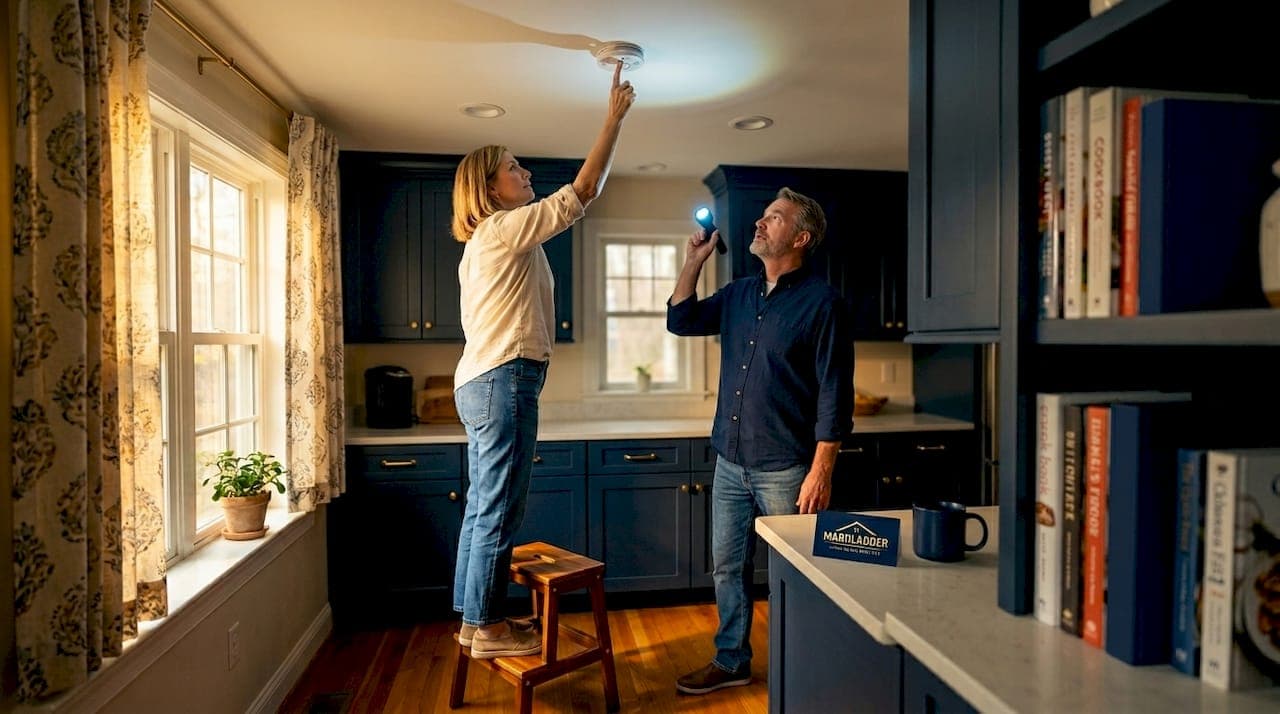
1. Install and maintain working smoke alarms. Homes with working smoke alarms have about 60% lower death rates from fires. That single statistic justifies the cost of every alarm in your home. Place detectors on each level and near every sleeping area. Fire-detection devices fail most often from dead batteries or deliberate disconnection after a false alarm. Test each unit monthly and replace batteries annually on a fixed schedule.
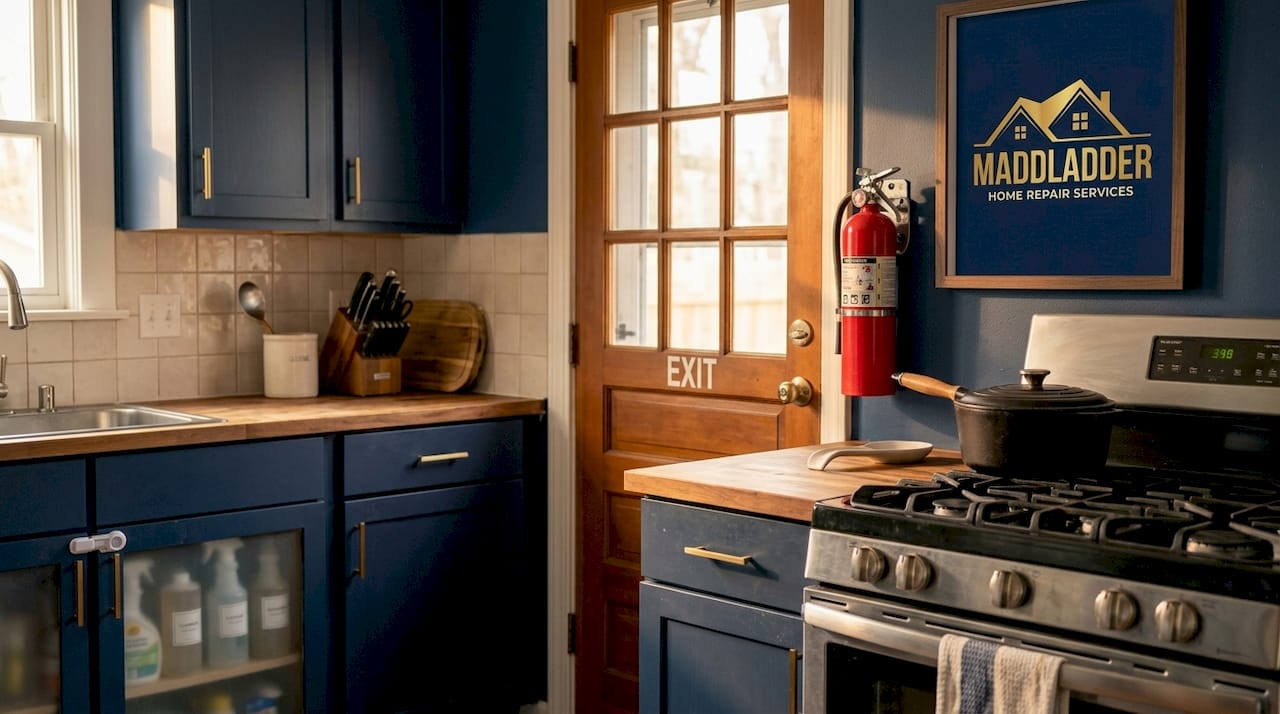
2. Keep a fire extinguisher in the kitchen. Mount it near the exit, not directly beside the stove, so you can reach it even if a pan catches fire. A Class K extinguisher handles cooking oil fires that water makes worse.
3. Manage kitchen hazards actively. Turn pan handles inward so children cannot grab them. Store sharp knives in a locked drawer or a high-mounted magnetic strip. Keep hot liquids away from counter edges. These are small behavioral adjustments with a direct impact on injury rates.
4. Install stairway gates and declutter walking paths. Falls are the leading cause of emergency visits for children, and stair gates are the single most effective physical barrier. For adults, removing rugs without non-slip backing and keeping hallways clear reduces trip hazards that become more dangerous with age.
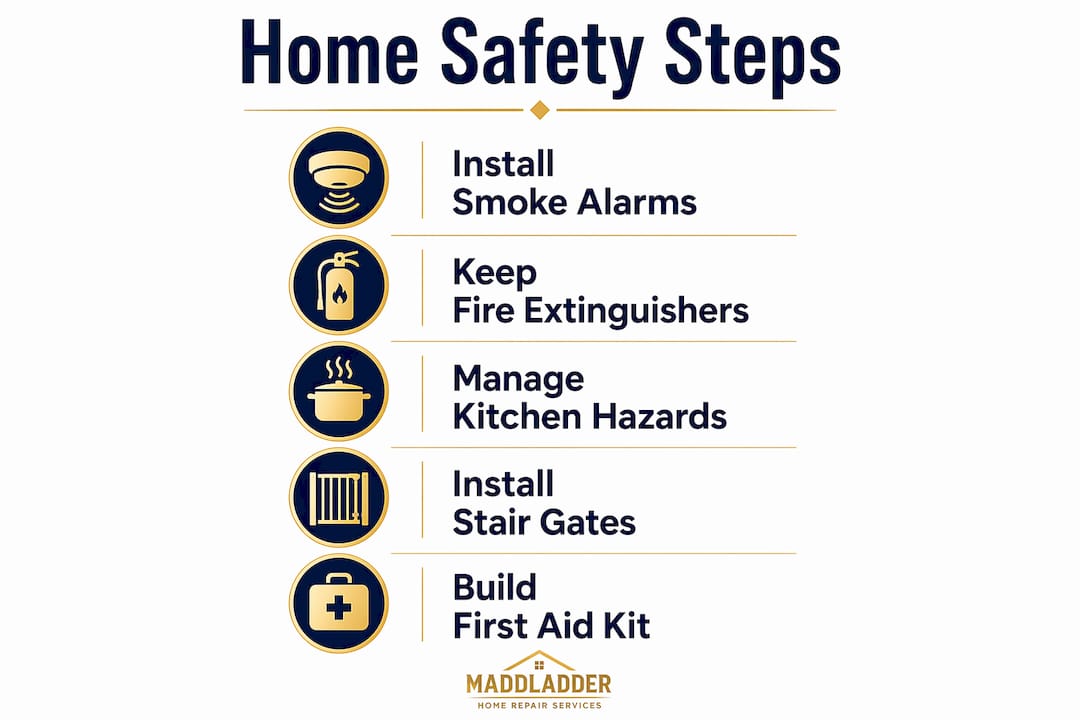
5. Build a first aid kit tailored to your household. A standard kit covers cuts, burns, and sprains. A tailored kit adds prescription medications, an epinephrine auto-injector if anyone has severe allergies, and a pulse oximeter if you have household members with respiratory conditions.
Pro Tip: Test every smoke alarm on the first of each month. Replace the battery every January. Replace the entire unit every ten years. Write the installation date on the inside of the cover with a permanent marker so you never have to guess.
Effective home safety for families involves mapping hazards by room and by the developmental stage of children in the home. A toddler's reach is different from a ten-year-old's, and your safety setup should reflect that difference.
What ongoing practices keep your home secure over time?
A one-time safety setup is not enough. Hazards change as your home ages, your family grows, and your routines shift. Sustained home safety awareness requires regular action.
Routine safety checks and house-specific awareness reduce hazard risks more effectively than any single intervention. Building safety professionals recommend scheduled walkthroughs rather than reactive fixes. The most dangerous hazards become normalized over time. A loose stair railing, a fraying extension cord, or a slow-draining sink gets ignored because it has always been there. Regular walkthroughs reveal these worsening conditions before they become emergencies.
Electrical systems deserve specific attention. Older homes pose increased fire risk from outdated wiring that was never designed for modern electrical loads. If your home was built before 1980 and has not had an electrical inspection in the past decade, schedule one. The cost of an inspection is a fraction of the cost of a fire or an insurance claim. You can review safe electrical repair practices for Kansas City homes to understand what falls within DIY range and what requires a licensed professional.
Here is a comparison of one-time versus ongoing safety approaches:
| Approach | One-time setup | Ongoing practice |
|---|---|---|
| Smoke alarms | Install on each level | Test monthly, replace batteries annually |
| Stairway gates | Install when children arrive | Inspect hardware quarterly for loosening |
| Electrical systems | Initial inspection | Re-inspect every 5 to 10 years in older homes |
| First aid kit | Assemble with core supplies | Restock after use, check expiration dates twice yearly |
| Security systems | Install cameras and locks | Review footage settings and update access codes annually |
Behavioral practices matter as much as physical installations. Storing medications in a locked cabinet, keeping cleaning chemicals out of reach, and supervising young children near water sources are habits that reduce risk continuously. Supervision alone is not enough. Understanding a child's developmental reach is what makes hazard control effective. A cabinet lock that stops a two-year-old will not stop a five-year-old. Adjust your setup as your children grow.
For homeowners interested in preventive home maintenance, the financial case is straightforward. Catching a failing GFCI outlet or a cracked stair tread early costs far less than addressing the injury or structural damage that follows.
How can you prepare for home emergencies before they happen?
Prevention reduces the probability of an emergency. Preparedness determines the outcome when prevention falls short.
Ready.gov emphasizes CPR, AED, and Naloxone skills alongside well-stocked first aid kits as the foundation of home emergency readiness. The reasoning is direct. Emergency responders may not be immediately available, and the minutes before they arrive are often the most critical. A household member who knows how to perform CPR or administer Naloxone can prevent a death that professional responders would have arrived too late to stop.
Your emergency preparation plan should cover these areas:
- First aid training: At least one adult in every household should hold a current CPR and basic first aid certification from the American Red Cross or the American Heart Association
- First aid kit: Stock it with bandages, antiseptic, a digital thermometer, disposable gloves, and any household-specific medications or devices
- Escape routes: Map two exit paths from every room in the house and practice them with your family twice a year
- Emergency contacts: Post a physical list of local emergency numbers, including poison control at 1-800-222-1222, on the refrigerator or inside a kitchen cabinet
- Carbon monoxide detectors: Place one on each level of the home, especially near sleeping areas and attached garages
Pro Tip: Customize your first aid kit for your household's specific needs. If anyone in your home has a severe allergy, add an epinephrine auto-injector and a written action plan. If you have an infant, include a bulb syringe and infant-dose fever medication. A generic kit covers the basics. A personalized kit covers your family.
Fire escape drills feel unnecessary until they are not. Children who have practiced an escape route move faster and with less panic during an actual fire. Run a drill at night at least once a year, since most fatal fires occur while occupants are asleep. For additional guidance on safety upgrades for Kansas City homes, Maddladder has published specific recommendations for the region's housing stock and climate.
Key takeaways
Home safety protects lives and property through consistent prevention, physical safeguards, and emergency preparedness, not through any single device or one-time fix.
| Point | Details |
|---|---|
| Fire is the top lethal risk | Working smoke alarms cut fire death rates by 60%; test them monthly without exception. |
| Falls demand physical barriers | Stairway gates, non-slip mats, and decluttered paths prevent the leading cause of child ER visits. |
| Ongoing checks outperform one-time setups | Scheduled walkthroughs catch normalized hazards like fraying wires and loose railings before they cause harm. |
| Emergency readiness saves lives | CPR training and a customized first aid kit let you act in the critical minutes before responders arrive. |
| Electrical systems need professional review | Homes built before 1980 carry elevated fire risk from outdated wiring and should be inspected every decade. |
Why home safety is never a finished project
I have walked through hundreds of homes in the Kansas City area, and the pattern I see most often is this: families do a solid job setting up safety measures when something prompts them, a new baby, a close call, a neighbor's house fire, and then they stop. The smoke alarms get installed. The cabinet locks go on. And then life takes over and the maintenance stops.
What I have learned is that the setup is the easy part. The harder discipline is treating your home like a living system that changes. Wiring ages. Kids grow taller. Routines shift. A grab bar that was not needed three years ago might be exactly what prevents a serious fall today. You can read more about how grab bars reduce falls and why they add real value to a home.
The families I see who genuinely protect themselves are not the ones with the most expensive security systems. They are the ones who have made safety part of how they think about their home. They do the monthly alarm test. They restock the first aid kit. They schedule the electrical inspection. That consistency is what separates a home that is set up for safety from one that actually delivers it.
— Jennifer
How Maddladder helps Kansas City homeowners stay safe
Knowing what your home needs and getting it done are two different things. Maddladder serves homeowners and renters across the Kansas City metro with the licensed, dependable services that turn safety plans into reality.

From smart home upgrades like security cameras and smart thermostats to plumbing and electrical repairs that address the wiring and water hazards most likely to cause harm, Maddladder covers the work that matters most. The team also installs grab bars, ramps, and ADA safety and mobility upgrades for households that need accessibility improvements. Free estimates, quick response times, and flexible pricing starting at $75 per hour make it straightforward to act on what you have learned. Contact Maddladder today to schedule your safety assessment.
FAQ
What is the most important home safety measure?
Working smoke alarms are the single most impactful safety measure. Homes with functioning alarms have about 60% lower fire death rates than those without.
How often should I inspect my home for safety hazards?
Building safety professionals recommend a full walkthrough at least twice a year, with monthly checks on smoke alarms and quarterly checks on stairway gates and other physical barriers.
Why is home security important beyond preventing break-ins?
Monitored security systems also accelerate emergency response for fires and medical events, making them a multi-purpose safety tool rather than a single-purpose deterrent.
How do I prepare a first aid kit for my family?
Start with a standard kit covering bandages, antiseptic, and a thermometer, then add household-specific items like an epinephrine auto-injector, prescription medications, or infant supplies based on your family's needs.
When should I hire a professional for home safety upgrades?
Hire a licensed professional for electrical inspections, wiring repairs, and any installation that involves structural changes or code compliance, especially in homes built before 1980.