

TL;DR:
- Home system monitoring uses sensors, software, and services to safeguard homes in real time beyond just security cameras. It includes water leak detection, energy management, HVAC health, and network monitoring to prevent damage and reduce costs. Professional monitoring provides 24/7 response, early warnings for systems like water sensors and HVAC, and can lower emergency and insurance costs.
Home system monitoring is the active process of using sensors, software, and professional services to track your home's security, environment, and utilities in real time. Most homeowners think monitoring means a security camera by the front door. The reality is far broader. Modern monitoring covers water leak detection, energy consumption, HVAC health, and network uptime. Understanding why monitor home systems matters gives you the tools to prevent damage before it happens, cut utility bills, and respond to emergencies faster. Companies like State Farm, Vivint, and IoT energy management platforms have all demonstrated measurable results when homeowners move from reactive to proactive home management.
Why monitor home systems: the core case
Monitoring transforms passive devices into an active safety network. A smoke detector that beeps when you are home is useful. A monitored smoke detector that alerts a staffed center at 2 a.m. when you are traveling is a different category of protection entirely. The same logic applies to water sensors, energy meters, and network monitors. Each system generates data. The value comes from acting on that data quickly.
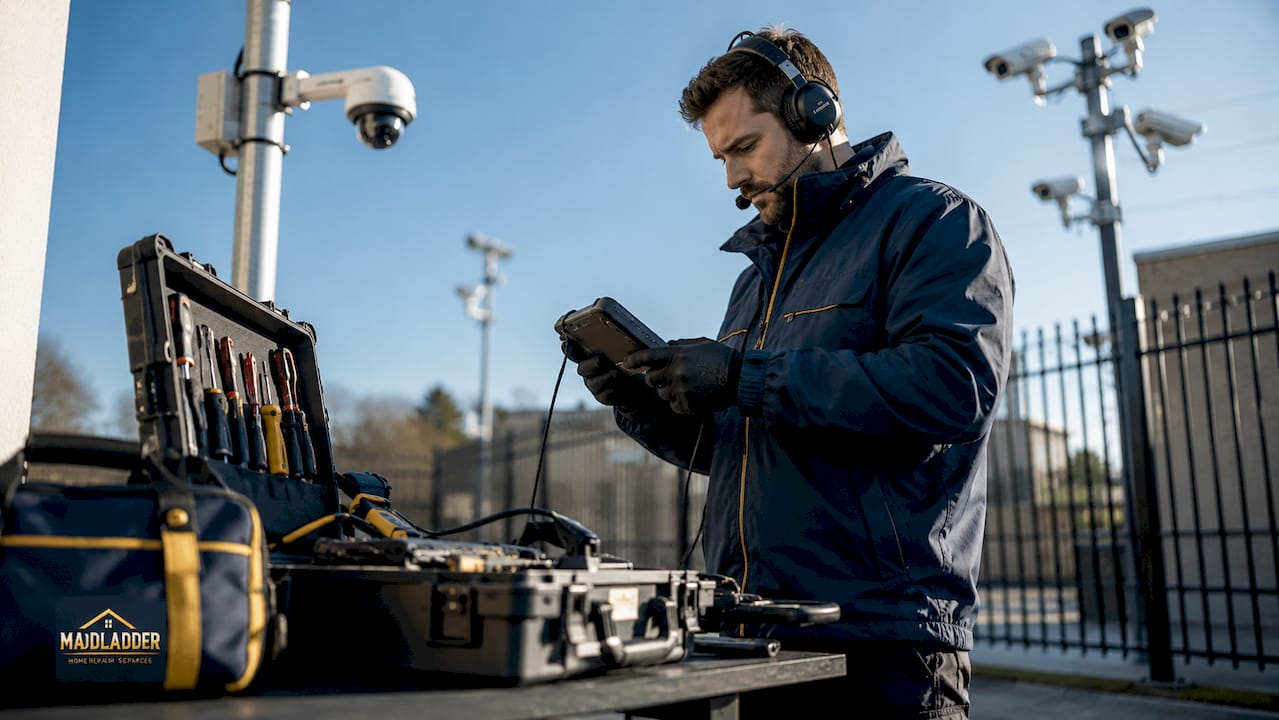
Modern remote monitoring now extends well beyond cameras. Today's systems include water leak sensors, smoke and carbon monoxide detectors, eldercare motion sensors, and smart thermostats. That flexibility means you can build a monitoring setup that matches your actual risk profile, whether you own a 1960s Kansas City bungalow with aging plumbing or a newer rental with smart appliances already installed.
How does professional security monitoring actually work?
Professional monitoring centers receive alarm signals, verify the threat, and dispatch emergency services without waiting for you to pick up your phone. Monitoring centers provide 24/7 surveillance with trained specialists who handle alarm triage and contact emergency responders as needed. That workflow removes the cognitive load from you and places it on people trained to handle it.
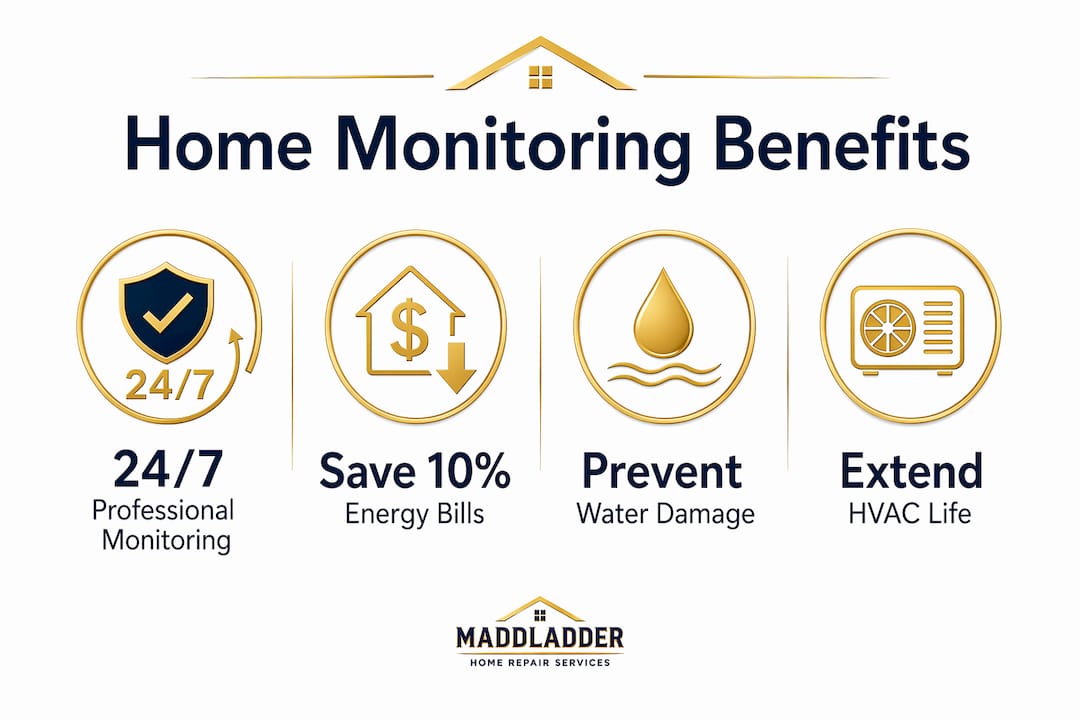
The practical difference between self-monitoring and professional monitoring is response time and reliability. If your phone is on silent, your battery is dead, or you are in a meeting, a self-monitored alarm does nothing. A professional center acts regardless of your availability. Vivint and similar providers document this as a core advantage of their monitoring plans.
The benefits of professional security monitoring include:
- 24/7 alarm response even when you are asleep, traveling, or unreachable
- False alarm triage so trained operators verify threats before dispatching police or fire services
- Multi-device integration covering cameras, smoke detectors, CO sensors, and door contacts from one platform
- Emergency dispatch coordination that contacts the right service without you making multiple calls under stress
- Insurance discounts from carriers like State Farm that recognize monitored systems as lower risk
Pro Tip: Ask your insurance provider directly whether a professionally monitored system qualifies for a premium discount. Many carriers offer meaningful reductions that offset the monthly monitoring fee.
Why water leak monitoring is worth every dollar
Water leak sensors cost far less than a typical insurance deductible. Placed under sinks, behind washing machines, and near water heaters, these sensors send an alert the moment moisture appears. That early warning is the difference between a $30 sensor catch and a $10,000 restoration bill.
The financial math is straightforward. Most homeowners insurance deductibles run several hundred to several thousand dollars. A basic sensor network covering your kitchen, bathrooms, and laundry room costs a fraction of that. Early detection also keeps you off the claims history that raises future premiums. For Kansas City homeowners dealing with older pipe infrastructure, early leak detection is one of the highest-return investments available.
Setting up effective water leak monitoring involves four steps:
- Map your risk points. Identify every appliance or fixture connected to a water supply: dishwasher, refrigerator ice maker, washing machine, water heater, and all sink cabinets.
- Place sensors at floor level. Water pools at the lowest point. Sensors sitting on the floor directly beneath a supply line catch leaks before they spread.
- Connect to a hub or Wi-Fi. Most modern sensors from brands like Govee or Aqara connect to a smartphone app and send push notifications within seconds of detecting moisture.
- Add an automatic shut-off valve. Devices like the Moen Flo or Phyn Plus connect to your main water line and shut off flow automatically when a sensor triggers. This is the upgrade that turns detection into prevention.
Pro Tip: Choose sensors that work on a mesh network or have local backup alerts. If your internet goes down during a pipe failure, a sensor that only sends cloud notifications is useless.
Does energy monitoring actually reduce your utility bills?
Energy monitoring reduces consumption only when you act on the data. A cloud-enabled IoT energy management pilot achieved a 9–10% reduction in monthly residential electricity consumption over several months. That result required active interpretation and behavioral changes, not passive observation.
Passive monitoring yields little financial benefit without intervention. Watching a dashboard and doing nothing changes nothing. The homeowners who see real savings use the data to identify energy bottlenecks, adjust schedules, and add automations. Common culprits include HVAC systems running inefficiently, electric water heaters with outdated settings, and older refrigerators drawing more power than expected.
| Monitoring approach | What you see | What you can do |
|---|---|---|
| Whole-home energy monitor (e.g., Sense) | Real-time load by device | Identify and replace high-draw appliances |
| Smart thermostat (e.g., Ecobee, Nest) | HVAC runtime and temperature trends | Automate schedules and reduce idle runtime |
| Utility smart meter data | Monthly and daily consumption totals | Compare billing periods and spot anomalies |
| Circuit-level monitoring | Per-circuit energy draw | Pinpoint specific rooms or equipment |
Privacy is a real consideration with energy monitoring. IoT data pipelines transmit usage patterns to cloud servers. Review the data retention and sharing policies of any platform before connecting your home's consumption data to a third-party service.
Why your HVAC and home network also need monitoring
HVAC monitoring catches problems before they become emergency service calls. Monitoring HVAC systems with sensors and cloud analytics can cut energy use by 10–25% and improve comfort by detecting issues early. Early warnings enable preemptive maintenance and automation to maintain air quality and system health. A system running inefficiently for weeks before it fails costs far more than a sensor that flags the problem on day one.
Network uptime monitoring is the overlooked piece of home automation monitoring. Proactive network notifications help detect offline cameras or devices much faster than reactive discovery. If your security camera goes offline at midnight and you find out three days later, the monitoring gap is a real vulnerability. Tools like Uptime Robot or a dedicated home network monitor can alert you within minutes of any device dropping off the network.
The combined benefits of HVAC and network monitoring include:
- Longer equipment life through early detection of filter clogs, refrigerant issues, and motor strain
- Humidity control that prevents mold growth, a serious concern in Kansas City's humid summers
- Comfort consistency by catching temperature drift before it becomes a failed compressor
- Security continuity by knowing immediately when a camera or sensor goes offline
- Reduced emergency costs because a $150 maintenance call beats a $3,000 emergency replacement
For a deeper look at HVAC monitoring strategies, sensor placement and cloud analytics tools offer the most reliable path to sustained efficiency gains.
Key takeaways
Home system monitoring delivers the most value when it covers water, energy, HVAC, and security together rather than treating each system in isolation.
| Point | Details |
|---|---|
| Professional monitoring beats self-monitoring | Staffed centers respond 24/7 and dispatch emergency services without waiting for you. |
| Water sensors prevent the most expensive damage | Sensors under sinks and appliances cost far less than a single insurance deductible. |
| Energy savings require active use | A 9–10% consumption reduction is achievable, but only when you act on the data. |
| HVAC monitoring extends equipment life | Early detection of inefficiency can cut energy use by 10–25% and prevent costly failures. |
| Network uptime monitoring closes security gaps | Alerts within minutes of a device going offline prevent undetected surveillance blind spots. |
What I've learned about where monitoring actually pays off
Most homeowners I talk to start with security cameras and stop there. That is understandable. Cameras are visible and feel protective. But in my experience, the systems that prevent the most financial damage are the ones nobody thinks about until something goes wrong: water sensors and HVAC monitors.
A camera records a burst pipe. A water sensor stops it. That distinction matters enormously when you are looking at a flooded basement at 3 a.m. The homeowners who have called in the most distress are rarely the ones who skipped a camera. They are the ones who had no leak detection under their washing machine for 15 years.
I also think the complexity argument against monitoring is overblown. Modern systems are flexible and user-friendly for broader safety management. You do not need a full smart home build-out to get real protection. Start with the highest-failure-risk systems: water supply points, smoke and CO detection, and your HVAC unit. Add energy monitoring once those are covered.
Professional monitoring is worth the monthly cost specifically for the moments when you cannot respond yourself. Traveling, working long hours, or managing a rental property from a distance are all situations where a trained operator handling an alarm is genuinely better than a push notification you might miss. The home safety benefits of that coverage compound over time. Proactive management is always cheaper than emergency recovery.
— Jennifer
Maddladder helps Kansas City homeowners get monitoring right
Getting the right sensors installed correctly makes all the difference between a system that works and one that gives you false confidence.

Maddladder serves the Kansas City metro area with professional installation of smart home upgrades including thermostats, cameras, and leak sensors. The team also handles plumbing and electrical repairs that integrate directly with monitoring systems, so your sensors have something reliable to protect. Whether you need a single water sensor placed correctly or a full smart home monitoring setup, Maddladder offers free estimates and flexible pricing starting at $75/hour. Contact the team at maddladder.com to schedule your first visit.
FAQ
What does monitoring home systems actually include?
Home system monitoring covers security cameras, smoke and CO detectors, water leak sensors, energy meters, HVAC sensors, and network uptime tools. Modern monitoring solutions are flexible and extend well beyond video surveillance.
Is professional monitoring worth the monthly cost?
Professional monitoring is worth the cost if you travel, work long hours, or manage a rental. Monitoring centers handle alarm triage and emergency dispatch 24/7 without requiring you to respond.
How much can energy monitoring reduce my utility bills?
A cloud-enabled IoT system achieved a 9–10% reduction in monthly electricity consumption. Savings depend on actively reviewing data and making behavioral or automation changes.
Where should I place water leak sensors first?
Place sensors under sinks, behind washing machines, near water heaters, and beneath dishwashers. Water sensors at floor level catch leaks before they spread and cost far less than a typical insurance deductible.
Can HVAC monitoring really extend my system's life?
HVAC monitoring with sensors and cloud analytics can cut energy use by 10–25% and catch issues like filter clogs or refrigerant problems before they cause a full system failure.