

TL;DR:
- Regular home safety checks help identify hazards before they cause injury or damage, ensuring your family's protection.
- Scheduling monthly, seasonal, and annual inspections of alarms, electrical systems, and structural elements reduces risks and saves money over time.
Regular home safety checks are the single most reliable method for catching hazards before they injure someone or destroy property. Most residential accidents are preventable. Smoke alarms, carbon monoxide detectors, stairway conditions, and electrical systems all degrade over time, and the only way to know they are still working is to check them on a schedule. The importance of home safety checks goes beyond ticking boxes. It means your family sleeps in a home where the systems designed to protect them actually work.
Why regular home safety checks matter more than most people realize
Home safety checks are a structured process of identifying and correcting physical hazards before they cause harm. The industry term for this practice is a home safety audit, and it covers everything from alarm testing to structural observations. Understanding why regular home inspections matter starts with knowing what you are actually up against.
Most home fires result from five causes: cooking, heating equipment, electrical systems, intentional fire setting, and smoking materials. That list is specific, and it matters because a general "look around the house" approach misses these targeted risks entirely. A focused check on your stove, furnace, wiring, and dryer vent does more to prevent fire than any amount of general tidying.
Carbon monoxide is the hazard that kills without warning. Smoke and carbon monoxide alarms require monthly testing and replacement every 5 to 10 years to remain effective. Most homeowners test the button and consider the job done. That is not enough. The alarm also needs clear, unobstructed vents to sense gases accurately. A blocked vent can prevent correct carbon monoxide detection, leaving your household exposed without any indication of danger.
Falls are the third major category. Keeping stairways clear and blocking open stairways significantly reduces injury risk, especially for children. Falls send more people to emergency rooms than any other home accident type, and most of those incidents happen in spaces that a five-minute check would have flagged.
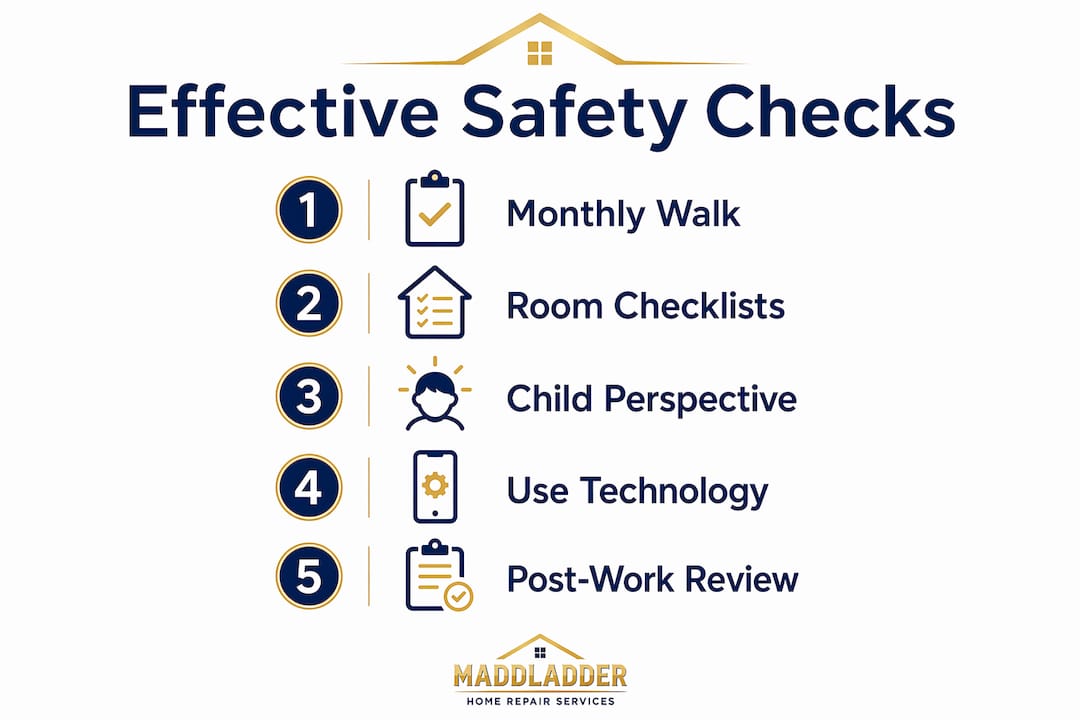
Pro Tip: Walk your home once a month with a printed home safety check checklist divided by room. Kitchen, bedroom, bathroom, and stairways each carry different risks and deserve separate attention.
How often should you do safety checks at home?
The answer depends on the type of check. Not everything needs monthly attention, but some tasks absolutely do. Here is a practical schedule built around the actual risk profile of a residential home.
- Monthly: Test smoke alarms and carbon monoxide detectors by pressing the test button. Confirm the alarm sounds clearly. Check that exhaust vents near detectors are unobstructed.
- Every 3 months: Replace batteries in alarms unless they are sealed 10-year units. Inspect stairways, hallways, and entry points for clutter or tripping hazards. Check fire extinguisher pressure gauges.
- Seasonally (4 times per year): Replace furnace filters and inspect HVAC components. Modern homes often have multiple filter types beyond the furnace, including hood vents and HVAC humidifiers. Check each one. Inspect outdoor lighting, handrails, and walkways before winter.
- Annually: Schedule a full home safety inspection to catch material deterioration, aging systems, and hazards that accumulate slowly. Review your electrical panel, water heater age, and roof condition.
- After any home work: Whenever a contractor completes repairs, HVAC service, or a renovation, conduct an event-triggered check. Damaged B-vents for gas appliances or disturbed filtration points are common post-work hazards that homeowners miss entirely.
The Kansas City area experiences significant seasonal temperature swings, which accelerates wear on HVAC systems, exterior caulking, and pipe insulation. Residents following the KC home maintenance checklist approach tend to catch these issues before they become expensive repairs.
Pro Tip: Set a recurring calendar reminder labeled "Home Safety Walk" on the first day of each month. Pair it with a specific task, like testing alarms or checking the stairway, so the habit stays concrete rather than vague.
What practical strategies make safety checks more effective?
Knowing you should check your home is different from knowing how to check it well. These strategies close that gap.
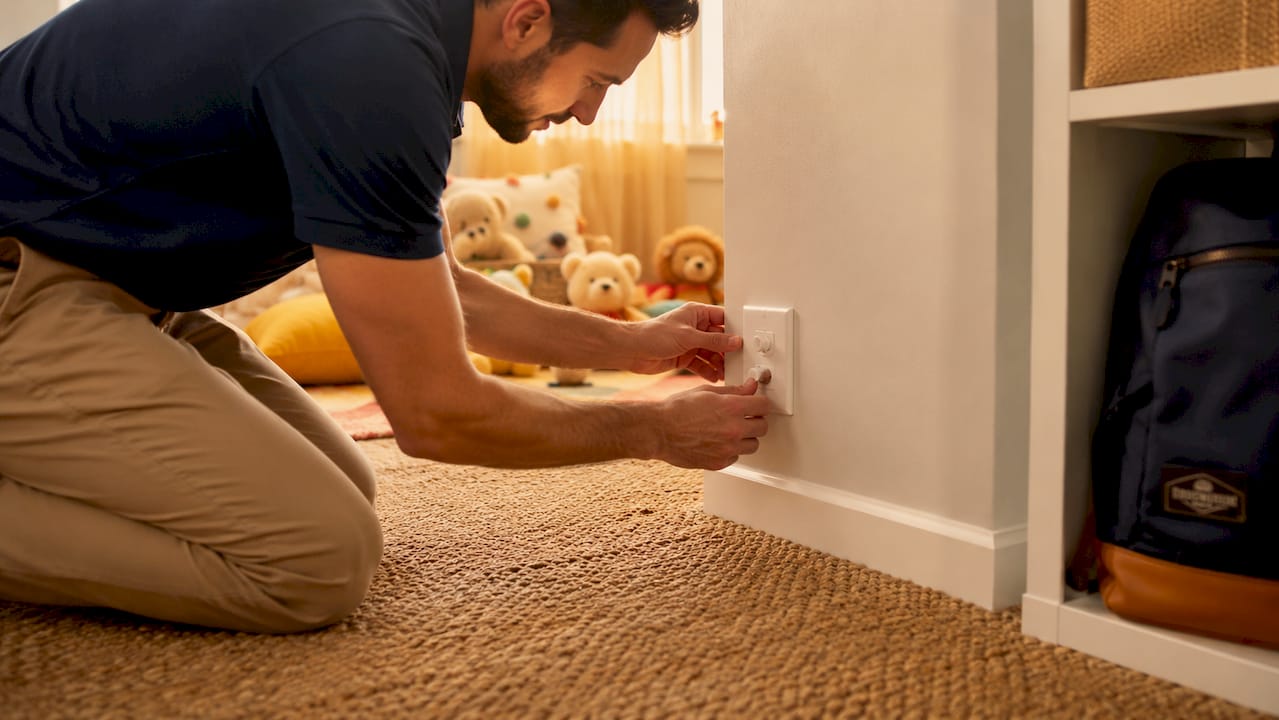
See your home through a child's eyes. Getting down to a child's eye level reveals reachable dangers and trip hazards that adults walk past every day. Cleaning products stored under a sink, loose cords near a low outlet, or a wobbly stair rail become obvious when you are looking at them from three feet off the ground. Supervision alone cannot prevent all accidents. The environment has to be made safer.
Use room-specific checklists. A kitchen check focuses on the stove, hood vent, fire extinguisher, and cabinet locks. A bathroom check covers slip mats, grab bar stability, and water temperature settings. A bedroom check addresses smoke alarm proximity, window egress, and electrical cord management. Generic checklists miss room-specific risks. Tailored ones do not.
Leverage technology where it counts. Interconnected alarms are one of the most underused safety upgrades in residential homes. When one alarm triggers, all alarms in the network sound simultaneously. This matters most in larger homes where a kitchen fire alarm may not be audible in a third-floor bedroom. Smart home upgrades like connected smoke detectors, smart thermostats, and security cameras add a monitoring layer that passive devices cannot provide.
Here is a quick comparison of standard versus upgraded alarm approaches:
| Feature | Standard alarms | Interconnected smart alarms |
|---|---|---|
| Alert range | Single room | Whole home simultaneously |
| Remote monitoring | No | Yes, via smartphone app |
| Battery status alerts | No | Yes, automatic notification |
| Carbon monoxide detection | Separate unit required | Combined units available |
| Replacement reminders | Manual tracking | App-based scheduling |
Pro Tip: After any plumbing or HVAC work, check every B-vent and exhaust pathway in the affected area. Contractors occasionally disturb venting during unrelated repairs, and hidden vent damage is one of the most common post-work hazards.
How do safety checks translate into real cost savings?
The financial case for regular home safety audits is straightforward. Small problems caught early cost a fraction of what they cost after they fail. A $15 furnace filter replacement prevents a $1,200 HVAC repair. A $30 smoke alarm replacement prevents a fire that causes tens of thousands in damage. Preventive home maintenance consistently outperforms reactive repair on cost.
Routine maintenance and professional inspections also mitigate hazards like damaged electrical panels or compromised fire separation walls. These are not visible during a casual walkthrough. They require a trained eye. When a professional identifies a failing electrical panel before it causes a fire, the savings extend beyond repair costs to include avoided insurance claims, medical bills, and potential liability.
Regular inspections build confidence in your home's systems and reduce the background stress that comes from not knowing whether something is about to fail. That peace of mind is a real benefit, not a soft one. Homeowners who maintain consistent check schedules report fewer emergency incidents and greater satisfaction with their living environment. The benefits of regular safety inspections compound over time, much like any other form of preventive care.
Key takeaways
Regular home safety checks prevent accidents, reduce repair costs, and protect household well-being by catching hazards before they escalate.
| Point | Details |
|---|---|
| Test alarms monthly | Press the test button and confirm vents are unobstructed to maintain reliable detection. |
| Schedule by risk type | Monthly, seasonal, annual, and post-work checks each address different hazard categories. |
| Check at child's eye level | Hazards invisible to adults become obvious when assessed from a child's perspective. |
| Use interconnected alarms | Whole-home alert systems provide protection that single-room alarms cannot match. |
| Pair DIY checks with professional inspections | Annual professional audits catch electrical, structural, and hidden hazards that routine checks miss. |
The hazard hiding in plain sight
I have walked through hundreds of homes in the Kansas City area, and the pattern I see most often is not neglect. It is misplaced confidence. Homeowners test their smoke alarm, hear the beep, and feel safe. What they do not realize is that a blocked vent on that same alarm can prevent it from detecting carbon monoxide at all. The button test confirms the battery and the speaker. It does not confirm the sensor pathway is clear.
The other thing I see constantly is the post-renovation blind spot. A homeowner gets new HVAC work done, the contractor does a good job, and everyone moves on. Nobody checks the B-vent that was bumped during the installation. Nobody looks at the filtration points that were disturbed. The work was done correctly, but the surrounding systems were affected in ways that are not obvious until something goes wrong.
My honest recommendation is this: combine your own monthly checks with a professional assessment at least once a year. You will catch the visible stuff yourself. A trained professional will catch the things you do not know to look for, including electrical panels, fire separation walls, and venting integrity. The combination of both is what protecting your family actually looks like in practice.
— Jennifer
Let Maddladder handle what your checklist uncovers
When your home safety walk turns up something that needs more than a battery swap, Maddladder is ready to help. Serving the Kansas City metro area, Maddladder handles minor plumbing and electrical repairs, fixture replacements, and smart home upgrades like interconnected alarms, smart thermostats, and security cameras. These are exactly the fixes that turn a safety check from a list of concerns into a genuinely safer home.

Free estimates are available, and services start at $75 per hour for one-time work. If you want ongoing coverage, Maddladder's subscription maintenance plans keep your home on a consistent schedule so nothing gets missed between checks. Contact Maddladder today and put a professional behind your next home safety audit.
FAQ
What is a home safety audit?
A home safety audit is a structured inspection of a residential property to identify physical hazards, test safety systems, and assess risk areas. It covers alarms, electrical components, fall hazards, venting, and other systems that affect occupant safety.
How often should smoke and carbon monoxide alarms be tested?
Smoke and carbon monoxide alarms should be tested every month and replaced every 5 to 10 years per manufacturer instructions. Monthly testing confirms the battery and speaker function, but vent pathways should also be checked for obstructions.
What are the most common causes of home fires?
Home fires most commonly result from cooking, heating equipment, electrical systems, smoking materials, and intentional fire setting. Targeting these five areas during safety checks is more effective than a general inspection approach.
What should I check after a contractor does work in my home?
After any repair or renovation, inspect B-vents, exhaust pathways, and filtration points in the affected area. Post-work hazards like disturbed venting or displaced filters are among the most commonly missed risks in residential homes.
Do renters need to do home safety checks?
Renters are responsible for the safety of their living environment just as homeowners are. Monthly alarm testing, stairway maintenance, and reporting hazards to landlords are all part of a renter's home safety check routine.