

TL;DR:
- Performing regular appliance checks, including cleaning filters and inspecting cords, extends appliance lifespan, improves safety, and reduces energy bills. Experts recommend monthly visual inspections, bi-annual cleaning of coils and vents, and annual professional inspections to prevent costly failures. Keeping maintenance records and addressing warning signs early ensures optimal appliance performance and warranty protection.
Regular appliance checks are defined as scheduled inspections and cleaning tasks that catch wear, buildup, and safety hazards before they become expensive failures. The industry term for this practice is preventive appliance maintenance, and it covers everything from monthly visual walkthroughs to annual professional inspections. Performing these checks is the single most reliable way to protect your home's safety, lower your energy bills, and extend the working life of appliances that cost hundreds or thousands of dollars to replace. This guide breaks down the benefits, the right schedule, and the warning signs every homeowner and renter needs to know.
What are the benefits of performing regular appliance checks?
Preventive appliance maintenance pays off in five distinct ways, and each one compounds over time.
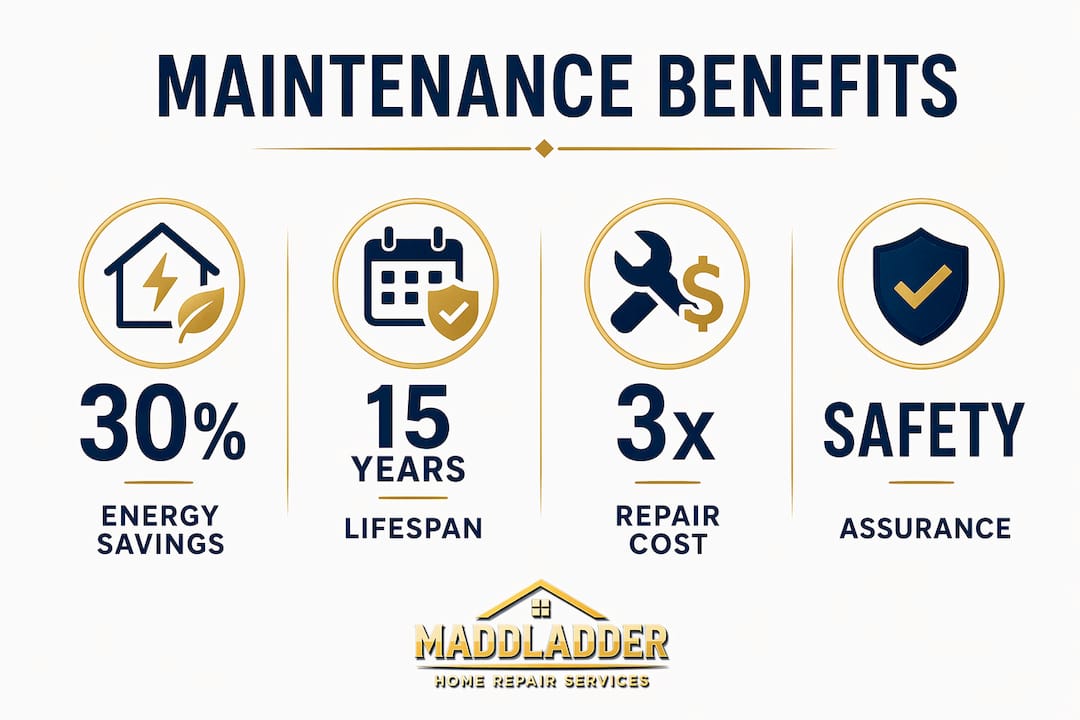
Longer appliance lifespan. Most household appliances are designed to last 10 to 15 years. Neglect accelerates wear on motors, seals, and heating elements, cutting that lifespan short. A refrigerator that gets its condenser coils cleaned twice a year will consistently outlast one that never does.
Lower energy bills. Regular maintenance can improve energy efficiency by up to 30%. That number is significant because most households run six to ten major appliances simultaneously. A 30% efficiency gain across a refrigerator, washer, dryer, and dishwasher adds up to real savings on your monthly utility bill.
Fewer emergency repairs. Emergency repair calls cost two to three times more than scheduled maintenance visits. Catching a frayed dryer belt during a routine check costs a fraction of what you pay when the dryer stops working the morning before a family trip.
Preserved warranty coverage. Many appliance manufacturers require documented maintenance to honor warranty claims. Keeping maintenance records protects your investment and gives you leverage if a part fails prematurely.
Reduced safety risk. Neglected appliances develop hidden faults that create both safety and efficiency risks. Lint-clogged dryer vents, gas line wear, and faulty electrical connections are all hazards that routine checks catch early.
- Extended lifespan through consistent part care
- Energy savings from clean, unobstructed components
- Cost avoidance by catching small faults before they escalate
- Warranty protection through documented service history
- Home safety through early hazard detection
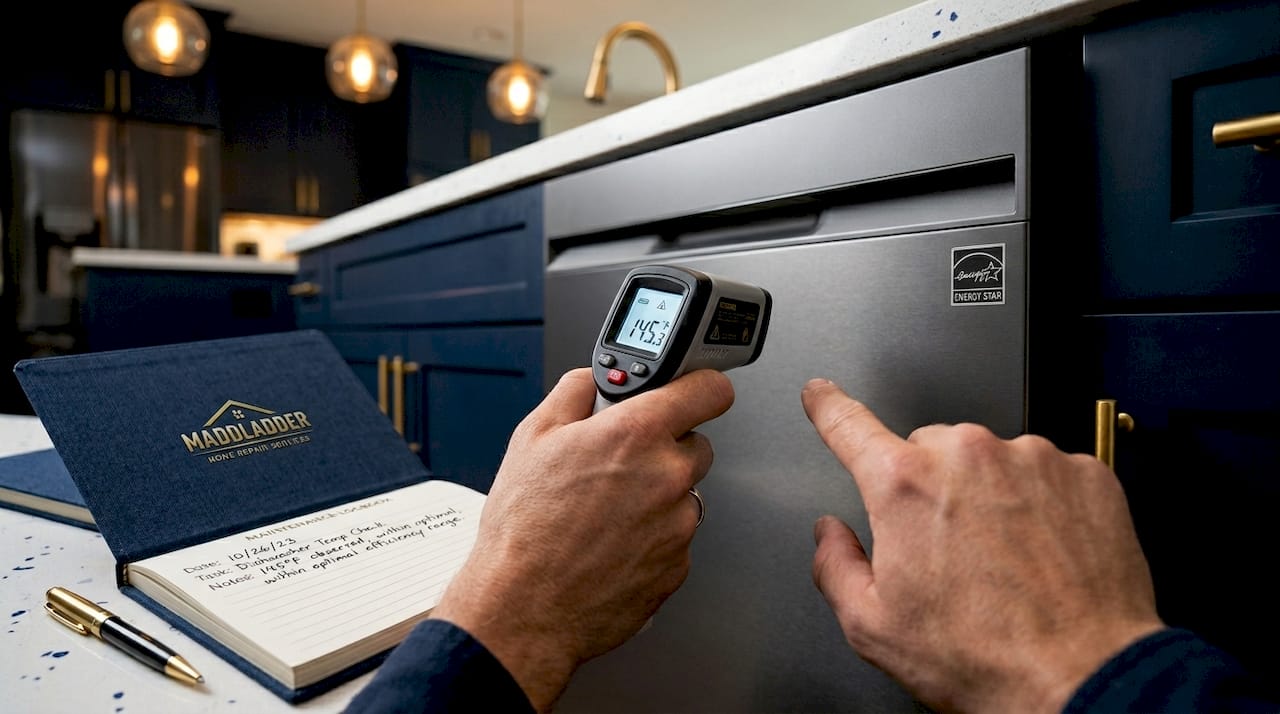
Pro Tip: Keep a simple maintenance log in a notes app or a paper binder. Record the date, what you checked, and what you cleaned or replaced. This log is your proof of care if a warranty dispute ever arises.
How often should you check your household appliances?
The right frequency depends on the appliance and the task. Here is a practical schedule built around expert guidance and Consumer Reports recommendations.
-
Monthly visual inspections. Walk through your kitchen, laundry room, and utility spaces. Look for frayed cords, unusual moisture, discoloration near outlets, and any visible cracks or corrosion. This takes under 15 minutes and catches the most obvious warning signs early.
-
Every two to three months: filters and gaskets. Clean your dishwasher filter and door gasket on this cycle. According to Popular Mechanics, most homeowners assume dishwashers self-clean, but buildup in filters and gaskets reduces performance and can cause failure if ignored.
-
Twice a year: coils and vents. Vacuum refrigerator condenser coils twice a year and clean your dryer vent on the same schedule. Dirty coils force the compressor to work harder, raising energy use and shortening its life. Clogged dryer vents are a leading cause of residential fires.
-
Annually: professional inspection. Homeowners should schedule a professional inspection at least once a year. Technicians identify issues beyond DIY ability, including gas line integrity, electrical connection quality, and internal component wear.
-
At tenant turnover: full appliance audit. For renters and landlords, tenant turnover is the ideal time for a thorough inspection. Checking every appliance before a new tenant moves in reduces hidden issues and protects both parties from disputes.
You can build this schedule into a broader routine using a KC home maintenance checklist that maps tasks to specific months.
Pro Tip: Tie appliance checks to seasonal changes. Before summer, inspect your refrigerator and air conditioning units. Before winter, check your water heater and dryer vent. Seasonal climate shifts increase appliance strain, and checks before seasonal changes prevent accelerated wear.
What are the common signs your appliance needs attention?
Most appliance failures do not happen suddenly. They announce themselves through gradual, easy-to-miss signals. Knowing what to look for is the core skill behind effective appliance safety inspections.
Unusual noises. A refrigerator that hums louder than normal, a washer that vibrates excessively, or a dishwasher that grinds during a cycle all signal mechanical wear. These sounds mean a component is working harder than it should.
Visible wear and damage. Frayed power cords, cracked door seals, discoloration around outlets, and rust or corrosion on metal parts are all red flags. Any visible damage to electrical components is a safety issue, not just a performance one.
Rising utility bills. If your energy bill climbs without a change in usage habits, an appliance is likely running inefficiently. Dirty refrigerator coils are one of the most common culprits, forcing the compressor to run longer cycles and consume more power.
Odors from gas or electrical components. A burning smell near an appliance or a faint gas odor near your stove or dryer requires immediate attention. These are not minor issues. Turn off the appliance, ventilate the space, and call a professional.
Poor airflow or leaks. A dryer that takes two cycles to dry a load, a refrigerator that cannot hold temperature, or a dishwasher that leaves standing water all point to airflow restrictions or seal failures. Cleaning airflow-related components directly reduces fire risk and energy waste.
The pattern across all these signs is the same: gradual degradation that becomes a crisis if ignored. Consumer Reports promotes shifting to scheduled maintenance rather than waiting for failure, and the data supports that approach every time.
DIY vs. professional appliance checks: what to do yourself and when to call an expert
Not every maintenance task requires a technician. Knowing the line between DIY and professional work saves money and keeps you safe.
What you can safely do yourself
| Task | Frequency | Tools Needed |
|---|---|---|
| Clean dishwasher filter and gasket | Every 2 to 3 months | Soft brush, mild soap |
| Vacuum refrigerator condenser coils | Twice a year | Vacuum with brush attachment |
| Clear dryer vent of lint buildup | Twice a year | Dryer vent brush kit |
| Inspect cords and plugs for damage | Monthly | Visual only |
| Check washing machine hoses for cracks | Every 6 months | Visual only |
These tasks require no special training and carry minimal risk when the appliance is unplugged first. They also deliver the biggest return on time invested. For renters, cleaning rental appliances between tenancies follows the same principles and protects the property's condition.
When to call a professional
Gas line connections, internal electrical diagnostics, refrigerant handling, and any repair involving the appliance's control board require a licensed technician. Attempting these without proper training creates fire, shock, and gas leak risks. The annual professional inspection is the right time to address anything beyond surface cleaning.
Professional inspections also carry documentation value. A technician's service record supports warranty claims and gives landlords proof of due diligence. For homeowners considering a home maintenance subscription, bundling annual appliance inspections into a recurring plan reduces the cost per visit and removes the friction of scheduling.
Pro Tip: When hiring a technician, ask specifically for a written service report. A verbal "everything looks fine" gives you nothing if a warranty issue surfaces six months later.
Key takeaways
Regular appliance maintenance prevents safety hazards, cuts energy costs, and extends appliance lifespan far beyond what reactive repairs can achieve.
| Point | Details |
|---|---|
| Annual professional inspections | Schedule a licensed technician once a year to catch issues beyond DIY reach. |
| Monthly visual checks | Walk through your home monthly to spot frayed cords, leaks, and visible wear early. |
| Energy savings through cleaning | Cleaning coils, filters, and vents can improve efficiency by up to 30%. |
| Documentation protects warranties | Keep written records of every maintenance task to support warranty claims. |
| Early warning signs matter | Rising bills, odd noises, and odors signal problems before a breakdown occurs. |
What 15 years of home maintenance work taught me about appliance checks
Most homeowners I talk to treat appliance maintenance the same way they treat dental checkups: they know they should do it, they keep meaning to get around to it, and then they only act when something hurts. The problem with that approach for appliances is that the "pain" usually arrives as a $600 emergency repair call or a flooded laundry room at 11 p.m.
What I have seen consistently is that the homeowners who spend 20 minutes a month on visual checks and schedule one professional visit a year almost never face appliance emergencies. The ones who skip it entirely tend to replace appliances years ahead of schedule. The math is not complicated. A $150 annual inspection on a refrigerator that costs $1,200 to replace is a straightforward investment.
The part that surprises most people is the psychological benefit. Knowing the status of your appliances removes a low-grade anxiety that most homeowners carry without realizing it. You stop wondering whether that noise the dryer makes is serious. You stop ignoring the slightly higher electric bill. You have answers, and answers let you plan instead of react.
My honest recommendation: start with the refrigerator coils and the dryer vent. Those two tasks, done twice a year, prevent more breakdowns and more fire risk than any other single maintenance habit. Build from there. The benefits of routine appliance service extend well beyond the appliances themselves. They extend to your budget, your safety, and your peace of mind.
— Jennifer
Keep your appliances running with Maddladder

Maddladder serves homeowners, renters, and landlords across the Kansas City metro area with professional appliance repair, replacement, and maintenance services. Whether you need a one-time inspection or a recurring maintenance plan, the Maddladder team handles the tasks that go beyond what a weekend DIY session can cover. From appliance repair and replacement to minor plumbing and electrical work, every service comes with free estimates and fast response times. Subscription plans start with the Essential tier and scale up to full Property Manager coverage, making it easy to keep every appliance in your home on a professional maintenance schedule without the hassle of tracking it yourself.
FAQ
Why perform regular appliance checks at all?
Regular appliance checks prevent safety hazards, reduce energy costs, and extend appliance lifespan. Catching small faults early costs a fraction of what emergency repairs or full replacements run.
How often should you inspect home appliances?
Monthly visual checks cover the basics, with deeper cleaning tasks every two to three months and a professional inspection once a year. High-use appliances like refrigerators and washers benefit from the most consistent attention.
What signs tell you an appliance needs attention?
Unusual noises, rising utility bills, visible cord damage, persistent odors, and poor performance like slow drying or standing water all indicate a problem that needs prompt attention.
Can renters perform appliance checks themselves?
Renters can and should perform monthly visual inspections and basic cleaning tasks like filter and gasket maintenance. Landlords are responsible for structural and mechanical repairs, but tenant-level checks reduce the risk of problems escalating.
Does skipping maintenance void an appliance warranty?
Many manufacturers require documented maintenance to honor warranty claims. Skipping maintenance and failing to keep records can give a manufacturer grounds to deny a claim for a part that failed due to neglect.