
TL;DR:
- Minor electrical upgrades improve safety and convenience through affordable device replacements. Bundling these repairs saves time and money while ensuring a consistent look across the home. Prioritizing safety devices like GFCI and AFCI outlets is essential before adding smart features or aesthetic upgrades.
Minor electrical upgrades are small, affordable improvements that boost home safety, device compatibility, and daily convenience without requiring major renovations. The most impactful minor electrical upgrade options include USB-C integrated outlets, GFCI and AFCI protection devices, smart dimmers, and motion-sensor lighting. These changes align with modern National Electrical Code (NEC) requirements and deliver real, measurable benefits for homeowners and property managers alike. The right upgrades depend on your home's age, wiring configuration, and the needs of the people living there.
1. What are the top minor electrical upgrade options?
The most requested small electrical improvements fall into six clear categories: outlet upgrades, circuit protection, lighting control, sensor automation, smart switching, and bundled device replacements. Each category solves a specific problem, and most can be completed in a single service visit.
- USB-C integrated outlets. USB-C with Power Delivery can fast-charge devices at up to 30W directly from the wall. That eliminates bulky adapters and frees up standard plug slots for other devices.
- Smart dimmers. These replace standard switches and give you precise lighting control from an app or voice assistant. They reduce energy use and extend bulb life.
- GFCI outlets. GFCI outlets prevent shocks in wet areas like kitchens, bathrooms, and garages. They are required by modern electrical codes in those locations.
- AFCI outlets. Arc Fault Circuit Interrupters detect dangerous electrical arcing inside walls and shut the circuit down before a fire starts. Both GFCI and AFCI devices are increasingly required by current NEC standards.
- Motion-sensor lighting. Occupancy sensor lighting manages lights automatically in bathrooms, hallways, and garages. It cuts energy waste and adds hands-free convenience.
- Smart switches. These coordinate lighting scenes, schedules, and remote control without rewiring your entire system.
Pro Tip: Before buying any smart switch or USB outlet, check whether your wall box has a neutral wire. Many homes built before the 1980s do not, and most smart devices require one.
2. How does bundling device replacements save time and money?
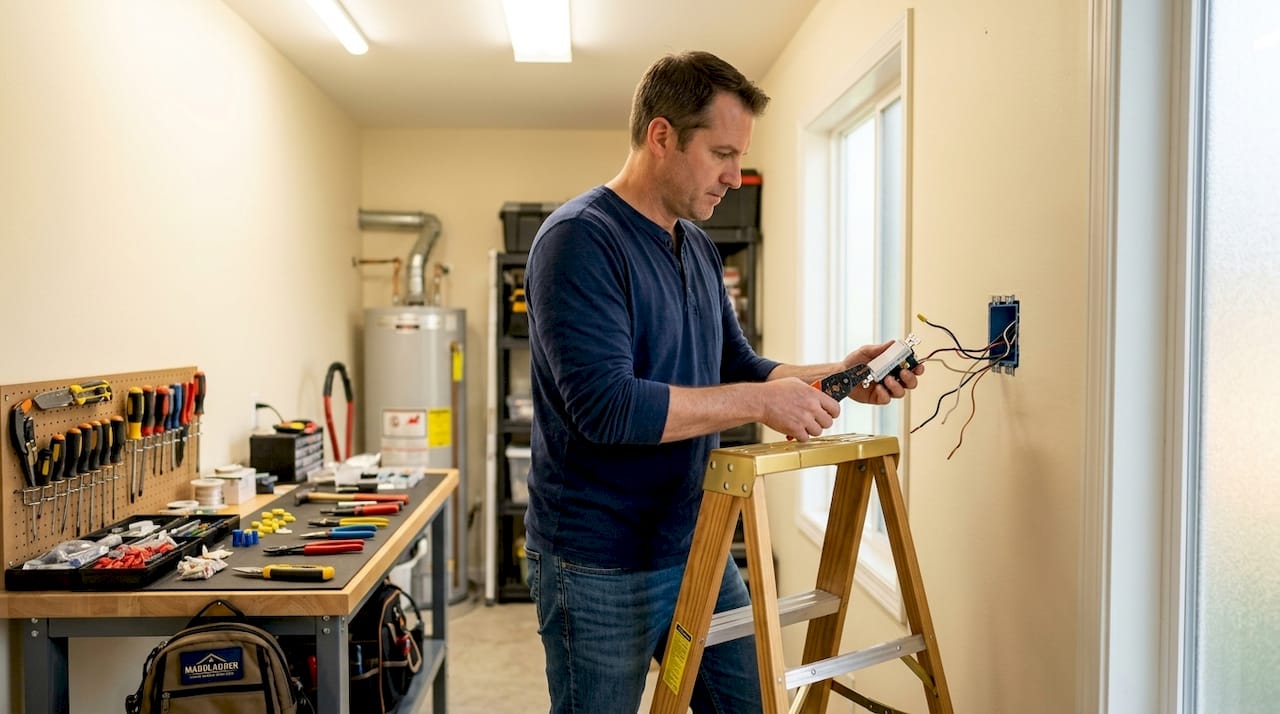
Replacing outlets, switches, and wall plates one at a time is inefficient. Bundling these replacements into a single service visit reduces long-term service time and prevents multiple call-out fees. The result is a cleaner look, better device performance, and lower total cost compared to piecemeal fixes.
A home redevice bundle typically covers every outlet, switch, and wall plate in a defined area or the entire home. The technician replaces all devices in one pass, matching styles and finishes throughout. This approach also catches outdated or damaged devices that a spot replacement would miss.
- Consistent aesthetics. Matched devices and wall plates create a uniform look across rooms.
- Tamper-resistant outlets included. Bundled upgrades often include tamper-resistant outlets that block children from inserting foreign objects. This is a code requirement in new construction and a smart addition to any home.
- Modern GFCI and AFCI models. Bundles replace outdated protection devices with current-generation models that meet 2026 NEC standards.
- Fewer service interruptions. One visit handles everything instead of scheduling three or four separate appointments.
Pro Tip: Ask your service provider to include a full outlet and switch audit during the bundle visit. Technicians often find devices that are loose, discolored, or wired incorrectly, and fixing them at the same time costs far less than a return trip.
3. Safety and installation considerations you should not skip
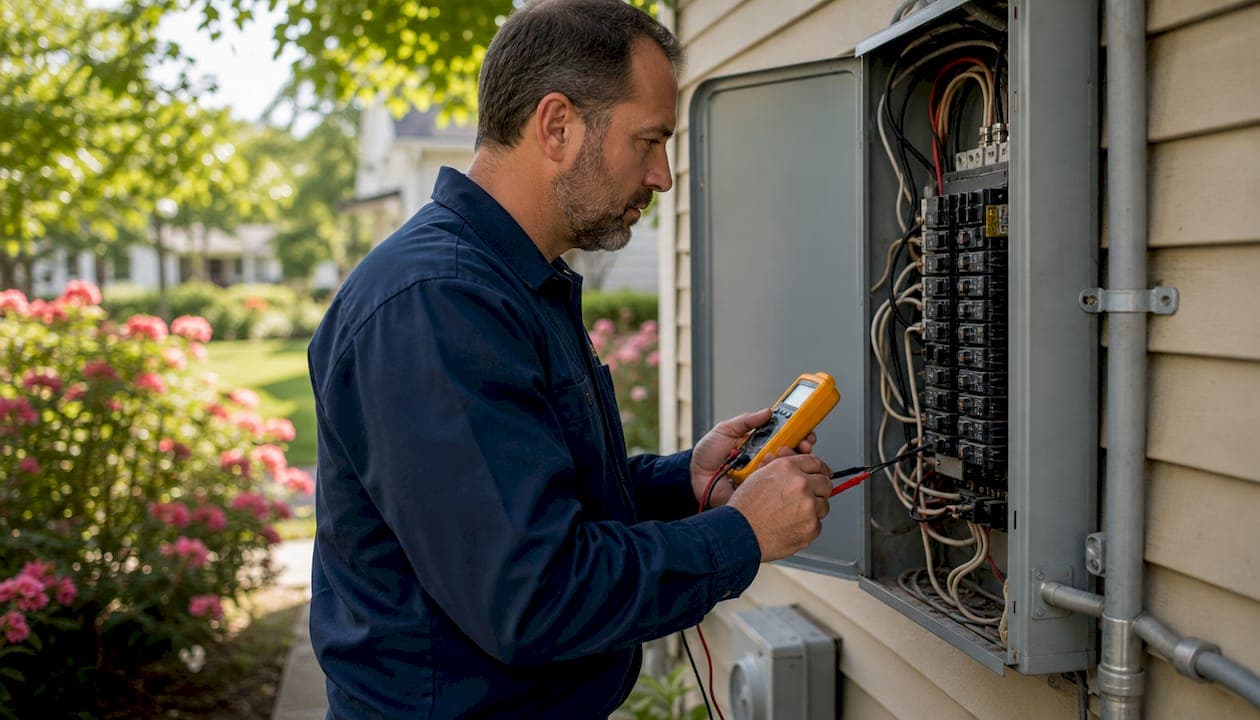
Every home electrical upgrade carries risk if done without proper precautions. The single most important rule is to verify that power is off before touching any wire or device. Voltage testers are critical for this step because breaker labels are frequently wrong. Flipping a breaker is not enough. Test the outlet or switch with a non-contact voltage tester before proceeding.
Here are the key safety and planning steps to follow:
- Verify power is off. Use a voltage tester on the device itself, not just the breaker panel. Mislabeled breakers are a common and dangerous problem.
- Check for a neutral wire. Neutral wire absence limits upgrade options in older homes. Smart switches and USB outlets typically require one. If yours is missing, ask about devices designed to work without it.
- Confirm permit and utility fees upfront. Permit costs and utility coordination can materially affect total project cost and timeline. Get a written quote that specifies what is and is not included.
- Use tamper-resistant and code-compliant devices. Homes with children need tamper-resistant outlets. Wet areas need GFCI protection. Bedrooms and living areas benefit from AFCI protection.
- Hire a licensed professional. Minor electrical work still involves live circuits and code compliance. A licensed technician protects you from liability and ensures the work passes inspection.
Pro Tip: If you are managing a rental property, document every upgrade with photos and receipts. This protects you during tenant disputes and simplifies insurance claims if something goes wrong later.
4. Which upgrades work best for your specific situation?
Not every home needs the same improvements. The right easy electrical enhancements depend on the home's age, the residents' needs, and the property's purpose.
Older homes
Homes built before 1980 often lack neutral wires and have two-prong ungrounded outlets. The priority here is grounding and GFCI protection first, then smart upgrades second. Lutron Caseta smart dimmers work without a neutral wire using a radio frequency mesh design, making them a practical choice for older wiring configurations.
For a broader look at what aging homes need most, the top handyman upgrades for aging homes guide covers electrical and non-electrical improvements that hold up over time.
Rental properties
Landlords and property managers benefit most from durable, low-maintenance upgrades. Sensor lighting, smoke detectors, and relocated power points improve accessibility and safety without structural changes. These upgrades are rental-friendly because they do not require permits in most jurisdictions and add real value for tenants. The rental property safety upgrades guide for Kansas City covers the most cost-effective options for 2026.
Homes with children or seniors
Tamper-resistant outlets are non-negotiable in homes with young children. GFCI protection in bathrooms and kitchens adds another layer of safety. For seniors, motion-sensor lighting in hallways and bathrooms reduces fall risk by eliminating the need to find a switch in the dark. These affordable electrical options address real safety risks without expensive renovations.
Tech-heavy households
USB-C integrated outlets solve a specific problem: too many devices, not enough wall space. Replacing standard outlets with USB-C models in home offices, kitchens, and bedrooms removes the need for adapter blocks and keeps counters clear. Smart dimmers and switches add scheduling and remote control for households that want lighting to match their routines.
Key Takeaways
The most effective minor electrical upgrades combine safety protection, device compatibility, and energy efficiency in a single, affordable service visit.
| Point | Details |
|---|---|
| Start with safety devices | Install GFCI outlets in wet areas and AFCI protection in living spaces before any cosmetic upgrades. |
| Check wiring before buying | Confirm whether your home has a neutral wire before purchasing smart switches or USB-C outlets. |
| Bundle for efficiency | Replacing outlets, switches, and wall plates in one visit saves money and creates a consistent look. |
| Match upgrades to residents | Prioritize tamper-resistant outlets for children, sensor lighting for seniors, and USB-C outlets for tech users. |
| Get a complete quote | Confirm whether permit fees and utility coordination are included before approving any electrical project. |
What I have learned after years of watching homeowners upgrade their electrical systems
The most common mistake I see is homeowners treating electrical upgrades as a cosmetic project. They want the new outlet style or the app-controlled dimmer, and they skip the safety foundation entirely. That is backwards. A USB-C outlet in a bathroom without GFCI protection is a liability, not an upgrade.
The second mistake is buying devices before checking the wiring. I have watched homeowners purchase a full set of smart switches, only to discover their 1960s home has no neutral wire in any of the wall boxes. The devices go back in the box, and the project stalls. Spending 20 minutes with a licensed electrician before shopping saves hours of frustration.
What actually works is a layered approach. Start with GFCI and AFCI protection because those upgrades directly prevent injury and fire. Then add convenience features like USB-C outlets and smart dimmers once the safety baseline is solid. Bundling both layers into one service visit is the most cost-effective way to do it.
The trend toward bundled upgrades is real and growing. Property managers in particular are adopting the redevice bundle model because it reduces repeat service calls and keeps rental units looking current. A matched set of modern outlets and switches signals to tenants that the property is well maintained. That perception has real value at lease renewal time.
My honest advice: prioritize the upgrades that protect people first. The convenience features are worth having, but they are not urgent. Safety devices are.
— Jennifer
Maddladder handles minor electrical upgrades in Kansas City
Maddladder serves homeowners and property managers across the Kansas City metro with licensed, dependable minor electrical services. The team handles outlet and switch installations, GFCI and AFCI replacements, USB-C outlet upgrades, and full home redevice bundles in a single visit. Smart home upgrades including dimmers, motion sensors, and smart switch installations are also available with free estimates and flexible pricing starting at $75/hour.

Maddladder offers one-time services and subscription maintenance plans for homeowners who want ongoing support. Request a free estimate online or call directly to schedule your upgrade.
FAQ
What are minor electrical upgrades?
Minor electrical upgrades are small improvements to outlets, switches, and lighting that enhance safety, convenience, and energy efficiency without major rewiring or panel replacement. Common examples include GFCI outlets, USB-C integrated outlets, smart dimmers, and motion-sensor lighting.
Do I need a permit for minor electrical upgrades?
Permit requirements vary by jurisdiction and project scope. Simple outlet replacements often do not require a permit, but adding new circuits or relocating devices typically does. Always confirm with your contractor whether permit fees are included in the quote.
Can I install smart switches in an older home?
Yes, but you need to check for a neutral wire first. Lutron Caseta smart dimmers are designed to work without a neutral wire, making them a reliable option for homes built before the 1980s.
What is the difference between GFCI and AFCI outlets?
GFCI outlets detect ground faults and prevent electric shock in wet areas like bathrooms and kitchens. AFCI outlets detect dangerous electrical arcing inside walls and reduce fire risk. Both are required by current NEC standards in specific locations throughout the home.
How much do minor electrical upgrades cost?
Costs vary by project size and location. Maddladder's services start at $75/hour for one-time visits, with bundled upgrade packages available at adjusted rates. Request a free estimate for an accurate quote based on your home's specific needs.