
TL;DR:
- The best initial energy upgrade is sealing air leaks and adding attic insulation, offering high returns within 3 to 7 years.
- These measures improve home efficiency, reduce heating and cooling costs, and qualify for significant federal tax credits.
Energy-saving home upgrades are improvements that reduce you're home's energy consumption, lower utility bills, and increase comfort, with options ranging from basic air sealing to advanced heat pump systems. The highest-ROI starting point is combining air sealing with attic insulation, a project that costs $2,500–$6,000 and delivers annual savings of $500–$1,000. Federal tax credits under the Inflation Reduction Act reach up to $3,200 annually, making these projects financially compelling for both homeowners and renters. Whether you own your home or rent it, the right upgrades pay for themselves and keep paying long after.
1. Air sealing and attic insulation: the best place to start
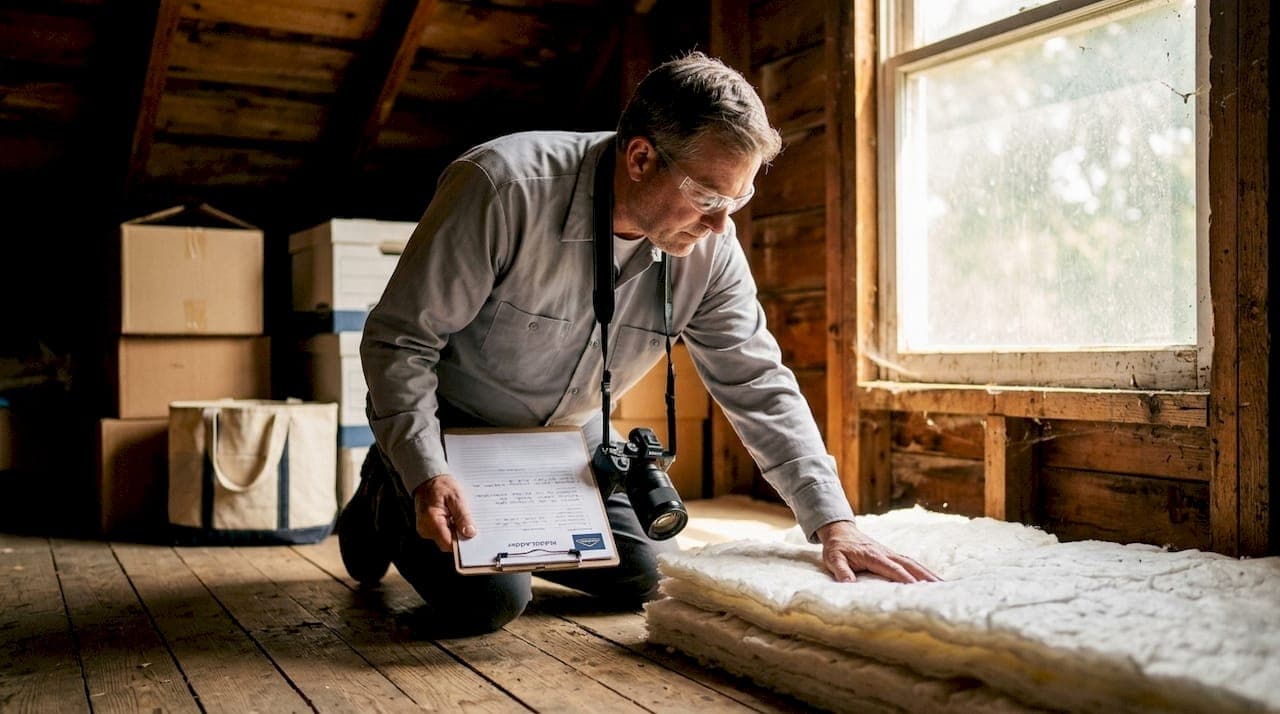
Air sealing combined with attic insulation is the single highest-return entry on any energy saving improvements list. These two projects work together: sealing gaps stops conditioned air from escaping, and insulation keeps outdoor temperatures from pushing back in. Without both, your heating and cooling system works harder than it needs to.
The typical payback period is 3–7 years, and both projects qualify for a 30% federal tax credit up to $1,200 annually. That credit shortens the real payback window considerably. A home spending $800 per year on unnecessary heat loss can recover the full project cost well within that range.
Starting here also prepares your home for every upgrade that follows. A properly sealed and insulated home needs a smaller heat pump, gets more from a smart thermostat, and sees better returns from solar. Skipping this step and going straight to solar or HVAC is like patching a leaky boat with a better motor.
- Air sealing targets attic hatches, recessed lights, plumbing penetrations, and rim joists
- Blown-in cellulose or fiberglass insulation works well for existing attic floors
- Spray foam seals complex gaps that batts cannot reach
- Both materials qualify for the 30% federal tax credit under current IRS rules
Pro Tip: Get a professional home energy audit before scheduling any work. Auditors use blower door tests and thermal cameras to find leaks that a visual inspection misses entirely.
2. Heat pumps and smart thermostats for heating and cooling
Heat pumps are 200%–400% efficient compared to electric resistance systems. That means for every unit of electricity consumed, a heat pump delivers two to four units of heating or cooling. Replacing an old electric furnace or baseboard system with a heat pump cuts annual heating costs by 40%–60%.
Typical annual savings run $800–$1,500, with a payback period of 5–12 years depending on your climate and existing system. Many utility companies also offer rebates on qualifying heat pump models, which shortens that window further. The key to getting those savings is proper sizing. Manual J load calculations prevent short-cycling and premature system failure. An oversized heat pump costs more upfront and wears out faster.
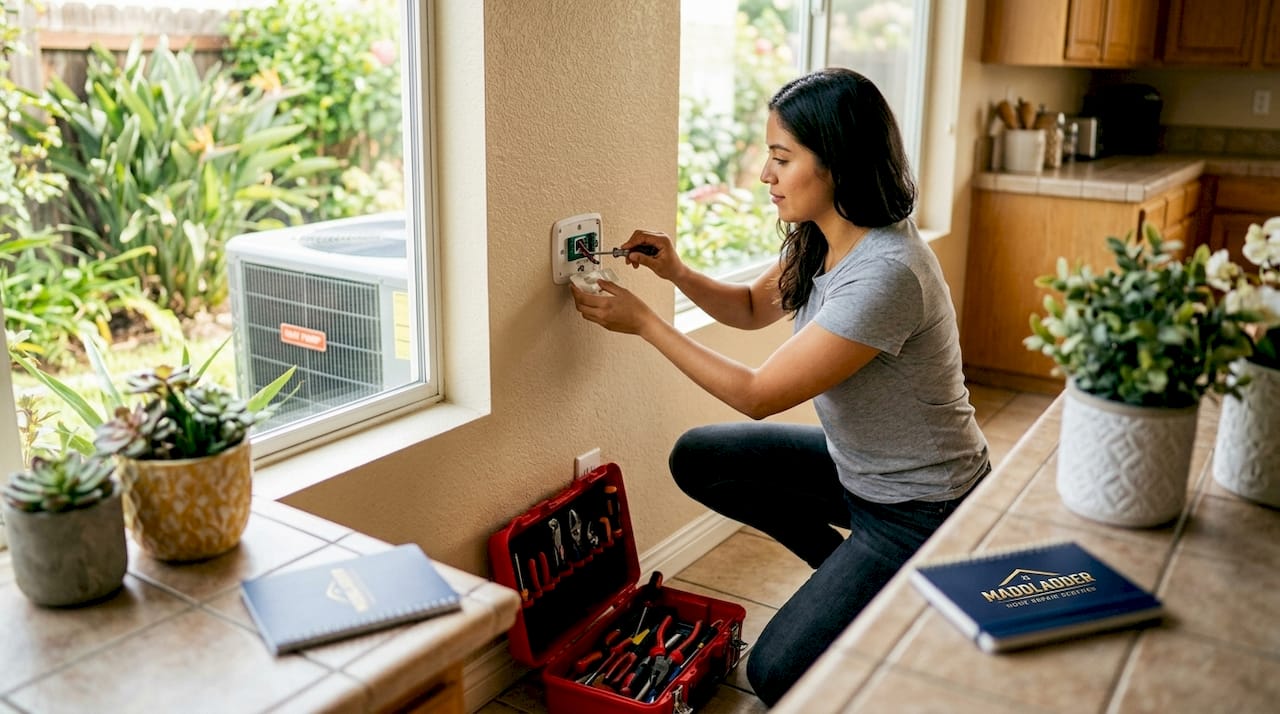
Smart thermostats complement heat pumps well. A smart thermostat costs $150–$250 and pays back in 8–18 months, especially when paired with utility rebates of $50–$100. These devices learn your schedule, adjust automatically, and give you remote control through a phone app.
- Heat pumps qualify for a federal tax credit of up to $2,000 annually under current IRS rules
- Mini-split heat pumps work well in homes without existing ductwork
- Smart thermostats must be checked for compatibility with your utility's rebate program
- Nest, Ecobee, and Honeywell Home are widely available and utility-compatible models
Pro Tip: Check your utility's website before buying a smart thermostat. Some utility rebate programs require specific models or enrollment in a demand-response plan to qualify.
3. Simple energy upgrades for renters and budget-conscious households
Energy saving upgrades for rentals do not require landlord approval for every item on the list. Low-flow faucets and showerheads reduce water bills by up to 30% and cut water heating energy costs by up to 40%. Most screw on in minutes with no tools beyond a wrench. The payback is measured in months, not years.
LED lighting is the other quick win. Switching from incandescent or CFL bulbs to LEDs saves the average household over $200 annually. LEDs last roughly 25 times longer than incandescent bulbs, so the savings compound over time. This is one of the few upgrades where the math works out even if you move before the bulbs burn out.
Programmable and smart thermostats also make sense in rentals. Landlords who install them often see lower tenant turnover because energy upgrades increase tenant retention and make a property more competitive as utility costs rise. For renters who control their own thermostat, a programmable model reduces waste without requiring any structural changes.
- Low-flow showerheads typically cost $20–$50 and install in under 15 minutes
- LED bulbs are available at hardware stores and most big-box retailers nationwide
- Plug-in smart thermostats work in some rental setups without permanent wiring changes
- Plumbing upgrades for renters often qualify for utility rebates even in rental units
4. Windows, doors, and weatherization
Energy-efficient windows and exterior doors reduce drafts, improve comfort, and qualify for federal tax credits. The credit covers 30% of the cost for qualifying products, up to $600 for windows and $250 per exterior door annually. Homes built before 1980 often have single-pane windows that lose heat at a rate modern double or triple-pane glass eliminates.
Sealing air leaks around frames and adding weatherstripping to door frames adds incremental savings on top of the window upgrade itself. These are low-cost additions that take an afternoon and cost under $50 in materials. The combination of new windows and fresh weatherstripping delivers noticeably lower drafts within the first heating season.
The right choice depends on your climate and home age. In Kansas City, where winters are cold and summers are hot, double-pane low-E glass with argon fill performs well year-round. Homes in milder climates may see a longer payback on full window replacement and get better value from weatherstripping alone.
- Double-pane windows with low-E coating qualify for the 30% federal tax credit
- Exterior door replacements up to $500 per door qualify for a $250 credit each
- Weatherstripping and door sweeps cost under $30 per door and install without professional help
- Home weatherization basics explain which projects to tackle first based on home age and condition
5. Solar panels and advanced HVAC: when to go big
Solar and advanced HVAC systems deliver the largest long-term savings, but they work best after you have addressed air sealing, insulation, and basic weatherization. A well-sealed home needs a smaller solar array to cover its energy load. That means lower upfront cost and faster payback.
Solar installations cost $12,000–$20,000 before the 30% federal tax credit. After the credit, net cost drops to $8,400–$14,000. Payback depends on your state's net metering policy, local electricity rates, and available incentives. States with strong net metering programs and high utility rates see payback periods as short as six years.
The sequencing rule matters here. Efficiency experts recommend completing air sealing and insulation before sizing any major mechanical system or solar array. A home that still leaks air will require a larger, more expensive system to compensate. Fix the envelope first, then right-size the equipment.
Pro Tip: Always hire a contractor who performs Manual J calculations before installing a heat pump or central HVAC system. Skipping this step is the most common reason new systems underperform.
| Upgrade | Estimated cost (pre-credit) | Federal tax credit | Typical payback |
|---|---|---|---|
| Air sealing + insulation | $2,500–$6,000 | 30%, up to $1,200/yr | 3–7 years |
| Heat pump | $5,000–$15,000 | 30%, up to $2,000/yr | 5–12 years |
| Smart thermostat | $150–$250 | Utility rebates apply | 8–18 months |
| Solar panels | $12,000–$20,000 | 30% (no annual cap) | 6–12 years |
| Windows and doors | $3,000–$10,000 | 30%, up to $600/$250 | 10–20 years |
Key takeaways
The fastest returns on energy-efficient renovations come from air sealing, insulation, and smart thermostats, not from solar or HVAC replacements.
| Point | Details |
|---|---|
| Start with the envelope | Air sealing and insulation deliver the fastest payback and maximize every upgrade that follows. |
| Use tax credits as budget tools | Federal credits up to $3,200 annually shorten payback and expand what you can afford. |
| Renters have real options | LED lighting, low-flow fixtures, and smart thermostats cut costs without structural changes. |
| Sequence matters for solar | Fix air leaks and insulation before sizing solar or HVAC to avoid oversized, costly systems. |
| Audit before you spend | A professional energy audit identifies the highest-impact projects before any money changes hands. |
What I have learned about prioritizing energy upgrades
The advice I give most often is the advice most people ignore: get the audit first. Homeowners come to me wanting solar panels or a new HVAC system, and I understand the appeal. Those are the upgrades that feel significant. But I have seen too many expensive systems installed in leaky, under-insulated homes that never deliver the promised savings.
The math on sequencing is not complicated. A home that loses 30% of its conditioned air through gaps and thin insulation needs a bigger heat pump and a bigger solar array to compensate. Fix the leaks first, and you shrink the size and cost of every system that follows. That is not a theory. It is what the numbers show every time.
Federal tax credits change the calculation in ways most homeowners underestimate. Treating the 30% credit as a discount rather than a bonus shifts how you think about project scope. A $6,000 insulation job becomes a $4,200 job after the credit. That changes the payback math significantly. I always tell people to factor in federal incentives before deciding a project is out of budget.
For renters, the opportunity is real but different. You are not going to replace the windows or install a heat pump. But LED bulbs, low-flow showerheads, and a smart thermostat can cut your utility bills meaningfully without touching the structure. The role of energy upgrades in rentals is growing, and landlords who invest in them are seeing lower vacancy rates as a direct result.
— Jennifer
Maddladder helps Kansas City homeowners get upgrades done right
Knowing which upgrades to prioritize is half the work. Getting them installed correctly is the other half.

Maddladder serves homeowners and landlords across the Kansas City metro with licensed, dependable installation and repair services. From smart thermostat installation to minor plumbing and electrical work, the team handles the upgrades that make the biggest difference in your monthly bills. Maddladder also offers repair and replacement services for fixtures, weatherstripping, and more. Free estimates make it easy to plan your project without committing upfront. Call or request an estimate online to get started.
FAQ
What is the best first energy upgrade for most homes?
Air sealing combined with attic insulation delivers the highest return on investment for most homes, with a typical payback period of 3–7 years and a 30% federal tax credit up to $1,200 annually.
Can renters make meaningful energy-saving improvements?
Yes. LED lighting, low-flow showerheads, and programmable thermostats require no structural changes and can reduce utility bills noticeably without landlord approval for most items.
How much can a heat pump save annually?
Heat pumps typically save $800–$1,500 per year compared to electric resistance heating, with efficiency ratings of 200%–400% depending on the model and climate.
Do I need a professional to install a smart thermostat?
Most smart thermostats install in under an hour with basic tools, but checking utility compatibility beforehand is critical to qualify for rebates of $50–$100 and maximize savings.
Should I get a home energy audit before upgrading?
A professional energy audit identifies air leaks and insulation gaps that visual inspection misses, making it the most cost-effective first step before committing to any upgrade budget.