
TL;DR:
- Home weatherization improves a home's energy efficiency by sealing leaks, upgrading insulation, and optimizing systems based on an energy audit. Treating the house as an interconnected system achieves measurable savings and indoor air quality improvements, whereas isolated fixes often fail to produce lasting results. Prioritizing safety issues, conducting an energy audit, and coordinating upgrades ensure effective, cost-saving home improvements.
Home weatherization is the comprehensive process of improving a home's energy efficiency by sealing air leaks, upgrading insulation, and optimizing heating and cooling systems based on a thorough home energy audit. The U.S. Department of Energy's Weatherization Assistance Program defines this as treating the entire house as an interconnected system rather than applying isolated fixes. The goal is measurable: reduce energy consumption, lower utility bills, and improve both comfort and indoor air quality for everyone living in the home.
What is whole-house weatherization and how does it work?
Whole-house weatherization treats your home as a single, interconnected system where every component affects every other. The U.S. DOE describes this as a "house as a system" methodology, meaning a problem in your attic insulation directly affects how hard your furnace works, which then affects your utility bill and indoor humidity. That chain reaction is exactly why piecemeal fixes rarely deliver lasting results.
Most homeowners start with low-cost improvements like weatherstripping a drafty door or adding a door sweep. Those steps have real value, but they address symptoms rather than causes. A whole-house energy audit identifies the actual heat loss pathways in your specific home, ranks them by impact, and produces a prioritized upgrade plan. Without that audit, you are essentially guessing.
The difference between basic weatherproofing and whole-house weatherization comes down to scope and sequencing. Basic weatherproofing handles one problem at a time. Whole-house weatherization coordinates improvements across the building envelope, HVAC systems, ductwork, ventilation, and electrical systems simultaneously. That coordination matters because fixing one system in isolation can create new problems elsewhere, such as tightening a home without improving ventilation, which traps moisture and pollutants indoors.
| Approach | Scope | Starting point | Typical outcome |
|---|---|---|---|
| Basic weatherproofing | Single fixes (caulk, weatherstripping) | Visible drafts or comfort complaints | Modest comfort improvement |
| Whole-house weatherization | All building systems, coordinated | Professional energy audit | Measurable energy savings and improved air quality |
Pro Tip: Before spending a dollar on upgrades, request a blower door test from a certified energy auditor. This pressurizes your home and pinpoints exactly where air is escaping, so you fix the right problems first.
What are the key components of home weatherization?
Air sealing is the foundation of any weatherization project. Gaps around windows, doors, electrical outlets, plumbing penetrations, and attic hatches allow conditioned air to escape and outdoor air to infiltrate. Caulk and spray foam are the standard materials for sealing these gaps, and the DOE recommends air sealing before insulation to avoid trapping moisture inside wall cavities.
Insulation upgrades come next. The most common targets are:
- Attic floors: Heat rises, so an under-insulated attic is the single biggest source of heat loss in most homes.
- Exterior walls: Blown-in cellulose or fiberglass can be added without tearing out drywall.
- Basement rim joists: These are frequently overlooked and account for significant air leakage in older homes.
- Crawl spaces: Encapsulating a crawl space with vapor barrier and insulation reduces moisture and floor-level cold drafts.
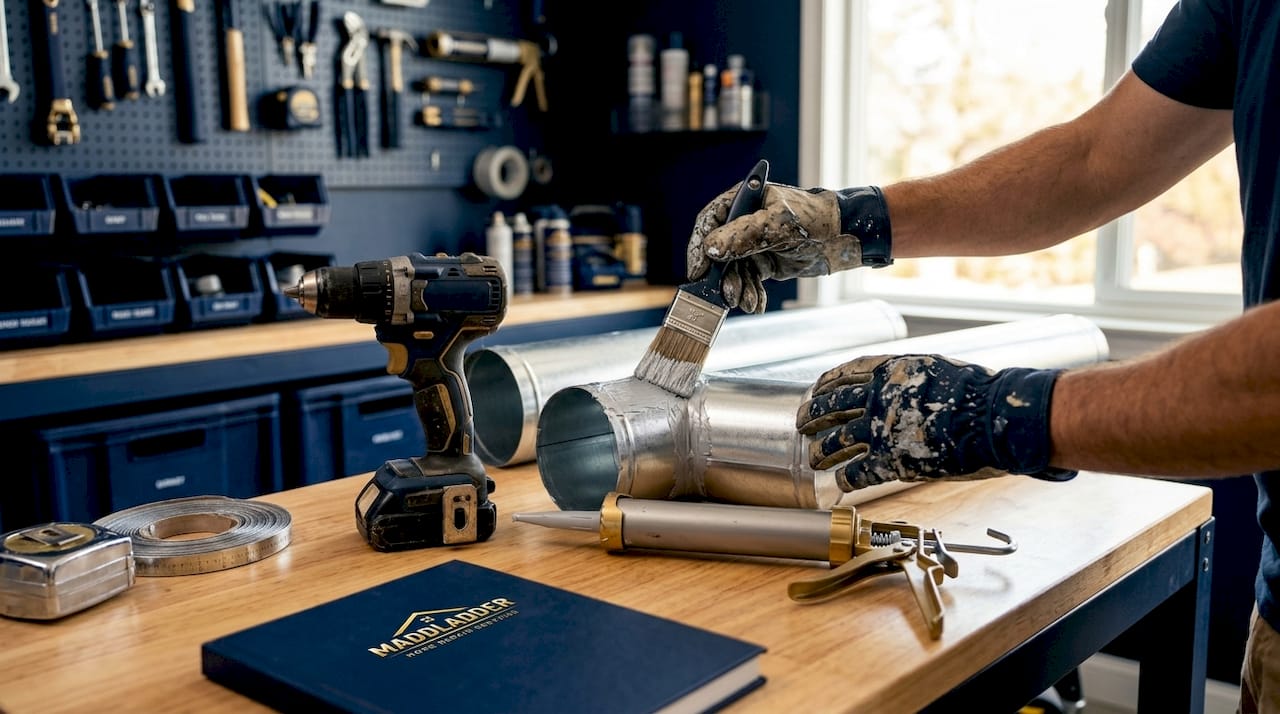
HVAC efficiency is the third major component. Sealing leaky ductwork with mastic sealant (not standard duct tape, which fails over time) can recover 20 to 30 percent of conditioned air that would otherwise escape into unconditioned spaces. Pairing duct sealing with a programmable or smart thermostat compounds the savings. Smart thermostats like the Google Nest or Ecobee learn your schedule and adjust temperatures automatically, which pairs well with a tighter building envelope.
Moisture control and ventilation round out the process. A tighter home requires mechanical ventilation to maintain healthy indoor air quality. Heat recovery ventilators (HRVs) and energy recovery ventilators (ERVs) exchange stale indoor air for fresh outdoor air without losing the energy used to condition it. Skipping this step in a well-sealed home leads to condensation, mold, and elevated indoor pollutant levels.
Pro Tip: Check your attic insulation depth before calling anyone. In Kansas City's climate zone, the DOE recommends R-49 to R-60 for attic insulation. If you can see the tops of your floor joists, you are losing significant heat every winter.
How do health and safety issues affect weatherization projects?
Health and safety inspections happen before any energy upgrade work begins. The DOE requires weatherization providers to inspect for safety concerns including combustion appliance risks, structural damage, and moisture problems before touching insulation or sealing. This sequence protects both the occupants and the investment.
The most common reasons a weatherization project gets deferred include:
- Roof leaks. Installing insulation over a leaking roof traps water inside the assembly, destroying the insulation's effectiveness within one or two seasons and creating mold conditions.
- Mold or moisture intrusion. Active moisture problems must be resolved before sealing a home tighter, or you concentrate the problem rather than fix it.
- Combustion appliance hazards. Gas furnaces, water heaters, and fireplaces that are not venting properly can produce carbon monoxide. Tightening the building envelope without addressing these appliances increases the risk of backdrafting.
- Structural damage. Sagging floors, compromised wall framing, or deteriorated sill plates need repair before insulation or air sealing work can be properly installed.
- Pest infestations. Rodent or insect activity in wall cavities or attics must be treated before insulation is added, or you seal pests inside the building assembly.
Addressing these issues first is not a delay. It is the step that makes every subsequent improvement actually work. A sequential repair and retrofit workflow protects your investment and prevents the common scenario where a homeowner spends money on insulation only to watch it fail because an underlying problem was never fixed.
What practical steps can you take to weatherize your home?
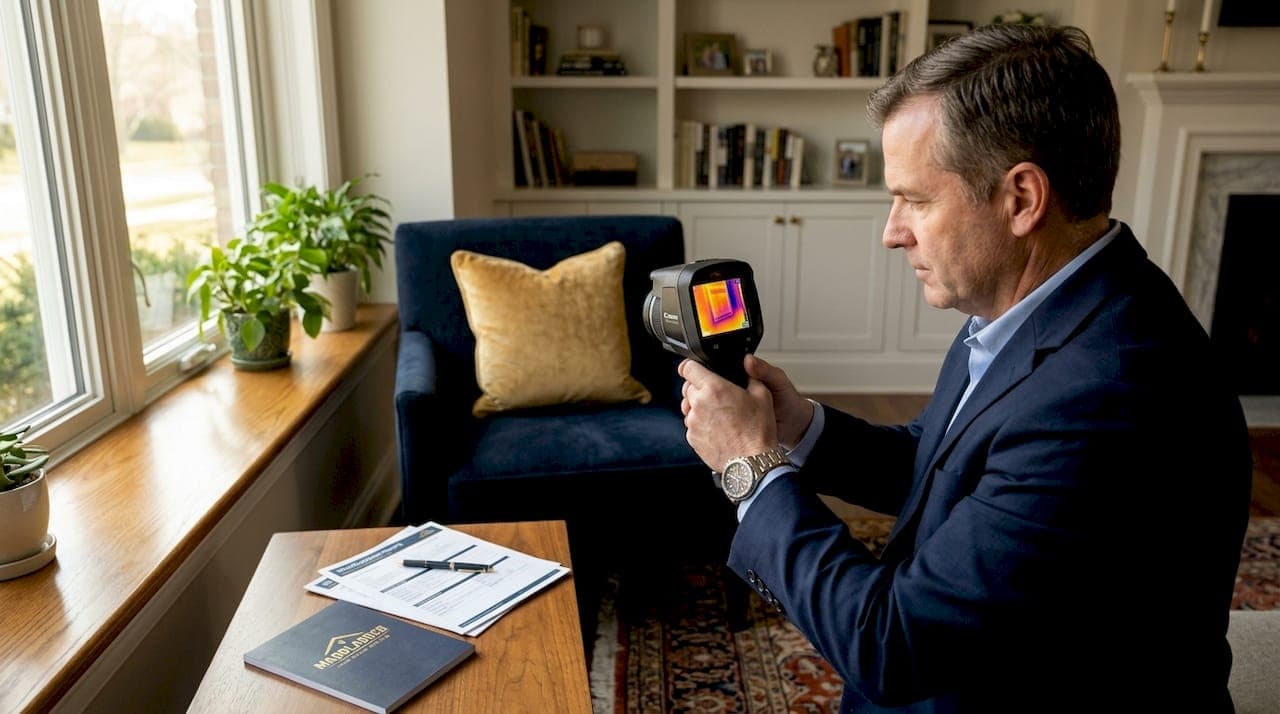
Start with a home energy audit. You can hire a certified energy auditor through the Residential Energy Services Network (RESNET) or the Building Performance Institute (BPI), both of which certify professionals who use blower door tests, thermal imaging cameras, and combustion safety testing. Many utility companies in the Kansas City area offer subsidized or free audits as part of their demand-side management programs. Check with Evergy or Kansas City Power and Light before paying full price.
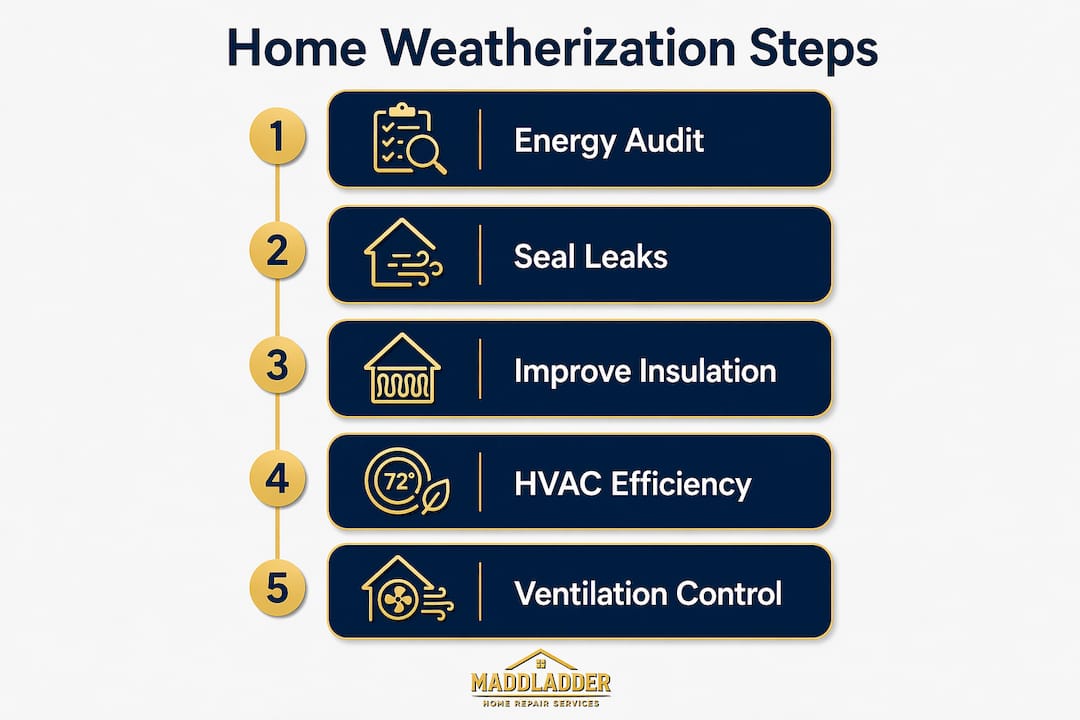
Once you have audit results, prioritize upgrades in this order:
- Air sealing first. It costs the least and delivers the highest return per dollar spent.
- Insulation second. Attic insulation upgrades typically pay back within three to five years in heating-dominated climates.
- HVAC optimization third. Duct sealing and thermostat upgrades build on the gains from a tighter, better-insulated envelope.
- Mechanical ventilation last. Add controlled ventilation after the envelope is tightened to maintain air quality.
For renters, the picture is more complicated but not hopeless. You can install draft stoppers, add window insulation film, and use outlet gaskets on exterior walls without landlord approval in most cases. For larger improvements, present your landlord with the audit results and the projected savings. Many landlords respond positively when the data shows reduced maintenance calls and improved tenant retention.
The Weatherization Assistance Program is the nation's largest residential energy efficiency program and serves income-eligible households at no cost. WAP prioritizes elderly residents, households with children, and people with disabilities. If you do not qualify for WAP, the federal Inflation Reduction Act created tax credits covering up to 30 percent of the cost of insulation, air sealing, and heat pumps through 2032.
Weatherization projects typically cost between $3,000 and $5,000 for a full professional treatment, with payback periods of five to eight years through reduced utility bills. That math improves significantly when you stack utility rebates, federal tax credits, and WAP assistance. Smart home upgrades like programmable thermostats and energy-monitoring devices extend those savings further by giving you real-time visibility into where your energy dollars are going.
Pro Tip: When comparing quotes from weatherization contractors, ask specifically whether their scope includes a post-installation blower door test. A reputable contractor will verify that air leakage actually decreased after the work is done, not just assume it did.
Key takeaways
Home weatherization delivers lasting energy savings only when it treats the building as a complete system, starting with an energy audit and addressing health and safety issues before any insulation or sealing work begins.
| Point | Details |
|---|---|
| Start with an energy audit | A professional audit identifies actual heat loss pathways and ranks upgrades by impact before you spend money. |
| Air seal before insulating | Sealing gaps first prevents moisture from being trapped inside wall and attic assemblies. |
| Fix safety issues first | Roof leaks, mold, and combustion hazards must be resolved before weatherization work can hold its value. |
| Leverage available programs | WAP and federal tax credits can cover a significant portion of weatherization costs for eligible homeowners. |
| DIY has limits | Low-cost fixes like weatherstripping help, but they do not replace a coordinated, audit-driven whole-house approach. |
Why I think most homeowners are weatherizing in the wrong order
After years of watching homeowners tackle energy upgrades, the most consistent mistake I see is starting with the visible and skipping the foundational. Someone replaces their windows for $15,000 and wonders why their heating bill barely moved. The reason is almost always that the attic is under-insulated and the ductwork is leaking conditioned air into the garage. Windows are the last thing you should upgrade, not the first.
The second mistake is treating a home energy audit as optional. I understand the reluctance. It feels like paying for a report when you could just spend the money on actual improvements. But an audit from a BPI-certified professional is the difference between fixing your actual problem and spending money on the wrong thing. Thermal imaging alone has shown me homes where the biggest heat loss was coming from a poorly sealed attic hatch, not the drafty windows the homeowner was convinced were the culprit.
The health and safety piece also gets underestimated. I have seen weatherization projects stall because a contractor discovered a gas appliance venting problem mid-project. That is not bad luck. That is what happens when you skip the inspection sequence. Regular appliance checks before any energy upgrade work are not optional. They protect your family and protect the investment you are about to make.
My honest advice: get the audit, fix what is broken, then seal and insulate in the right order. The homeowners who follow that sequence are the ones who actually see their utility bills drop.
— Jennifer
How Maddladder helps Kansas City homeowners prepare for weatherization
Effective weatherization starts with a home that is structurally sound and safe. Maddladder's repair and replacement services cover the foundational work that makes weatherization upgrades actually stick: drywall repairs, trim work, minor plumbing fixes, and the structural corrections that weatherization contractors require before they can begin. Maddladder also handles smart home upgrades including programmable thermostats and energy-monitoring devices that extend your weatherization investment year-round.

Kansas City homeowners can request a free estimate and get a clear picture of what repairs need to happen before weatherization work begins. Maddladder serves the full KC metro area with licensed, dependable service and flexible pricing starting at $75 per hour. Contact Maddladder today to get your home ready for the upgrades that will actually lower your bills.
FAQ
What is home weatherization in simple terms?
Home weatherization is the process of sealing air leaks, upgrading insulation, and improving heating and cooling systems to make a home more energy efficient. It is based on a whole-house energy audit that identifies where a home is losing energy and prioritizes fixes by impact.
How much does home weatherization cost?
A full professional weatherization project typically costs between $3,000 and $5,000, with payback through energy savings in five to eight years. Federal tax credits and utility rebates can reduce out-of-pocket costs significantly.
Who qualifies for the Weatherization Assistance Program?
The Weatherization Assistance Program serves income-eligible households at no cost, with priority given to elderly residents, families with young children, and people with disabilities. Eligibility is based on household income relative to federal poverty guidelines.
Can renters benefit from weatherization?
Renters can apply low-cost fixes like draft stoppers, window insulation film, and outlet gaskets without landlord approval. For larger improvements, sharing energy audit results with a landlord often opens the door to cooperation since lower energy costs and reduced maintenance benefit both parties.
Is a home energy audit necessary before weatherizing?
A professional energy audit is the most reliable way to identify where your home is losing energy and which upgrades will deliver the best return. The DOE's whole-house approach requires an audit as the starting point because without it, upgrades are based on guesswork rather than measured data.