
TL;DR:
- Proper caulking seals home gaps, improves energy efficiency, and prevents moisture and pest entry.
- Professional caulking ensures precision, suitable materials, and long-lasting results in Kansas City's climate.
- Regular inspections and timely repairs protect property value and reduce costly later damages.
Up to 30% of home energy loss escapes through unsealed gaps, cracks, and joints, yet most Kansas City homeowners never think about caulking until a water stain appears or an energy bill spikes. That's a costly oversight. Professional caulking service seals the hidden vulnerabilities in your home, protecting against moisture damage, pest entry, drafts, and deteriorating curb appeal. This guide walks you through exactly what caulking service involves, which materials work best in Kansas City's climate, how pros do the job right, and what it realistically costs, so you can make a confident, informed decision for your home.
Table of Contents
- What is caulking service?
- Caulking materials: Types and how to choose
- How professional caulking is done: Step-by-step process
- Benefits, costs, and maintenance of caulking service
- Our take: Why great caulking delivers more than just sealed gaps
- Find caulking pros in Kansas City with MaddLadder
- Frequently asked questions
Key Takeaways
| Point | Details |
|---|---|
| Seals reduce energy costs | Proper caulking cuts air leaks and lowers heating and cooling bills by up to 20 percent. |
| Material selection matters | Using the right caulk type for each area prevents water intrusion, mold, and premature failure. |
| Professional service pays off | Expert application and maintenance save on repairs, protect property, and improve home appearance. |
| Kansas City-specific needs | Variable weather makes routine inspections and high-quality caulk essential for long-term resilience. |
What is caulking service?
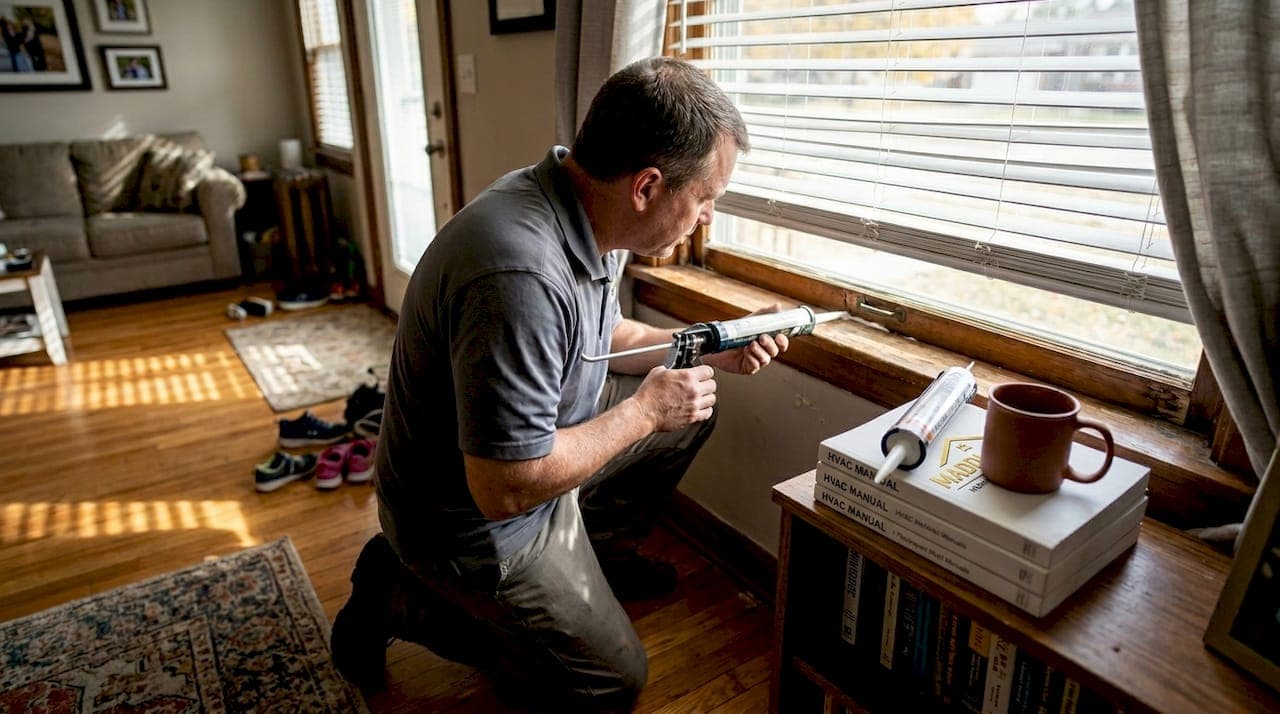
Caulking service involves applying flexible sealants to fill gaps, joints, and cracks throughout your home. Those gaps appear around windows, doors, baseboards, bathtubs, sinks, exterior siding, and anywhere two different materials meet. The sealant stays flexible after curing, which means it moves with your home as temperatures change without cracking or pulling away.
For Kansas City homeowners, this flexibility is critical. The metro area experiences dramatic temperature swings, from below-zero winters to humid summers pushing past 100°F. Those swings cause building materials to expand and contract constantly. Without a proper seal, those micro-movements create gaps that let in cold air, moisture, and insects.
Here's what a professional caulking service typically covers:
- Window and door frames: Sealing the perimeter where frames meet exterior walls stops drafts and moisture infiltration.
- Bathroom and kitchen joints: Tub surrounds, sink edges, and backsplash seams need waterproof sealant to prevent mold and rot.
- Exterior gaps: Siding seams, utility penetrations, and foundation transitions protect against water intrusion.
- Interior trim and baseboards: Filling gaps here improves both aesthetics and air sealing.
- HVAC penetrations: Sealing around pipes and ducts reduces conditioned air loss.
These repairs connect directly to broader home improvement value that Kansas City homeowners see when maintaining their properties well.
"A home with properly sealed joints is a home that breathes on your terms, not the weather's."
So why not just do it yourself? DIY is viable for small jobs, but pros ensure precision, material match, warranties, and longer-lasting results. The prep work alone, removing old caulk cleanly without damaging tile or wood, requires skill and patience. A professional also knows which product to use on which surface, something that matters enormously when you consider how many different caulk types exist. Checking out property value repair trends shows just how much proper sealing contributes to long-term home value. For a full picture of what pros can handle, browse repair services available in your area.
Caulking materials: Types and how to choose
Not all caulk is created equal. Picking the wrong product for a surface is one of the most common DIY mistakes, and it leads to premature failure, peeling, or worse, trapped moisture. Different caulk types serve different needs; matching to surface and use is essential.
Here's a breakdown of the main types:
| Type | Best use | Paintable | Durability |
|---|---|---|---|
| Silicone | Wet areas, exterior | No | 20+ years |
| Acrylic latex | Interior trim, baseboards | Yes | 3-7 years |
| Polyurethane | Exterior, high-flex joints | Limited | 10-20 years |
| Hybrid (silicone-latex) | Versatile indoor/outdoor | Yes | 10-15 years |
Silicone caulk is completely waterproof and stays flexible for decades. It's the go-to for bathtubs, showers, and exterior window frames. The downside: it can't be painted, so color matching matters at purchase.
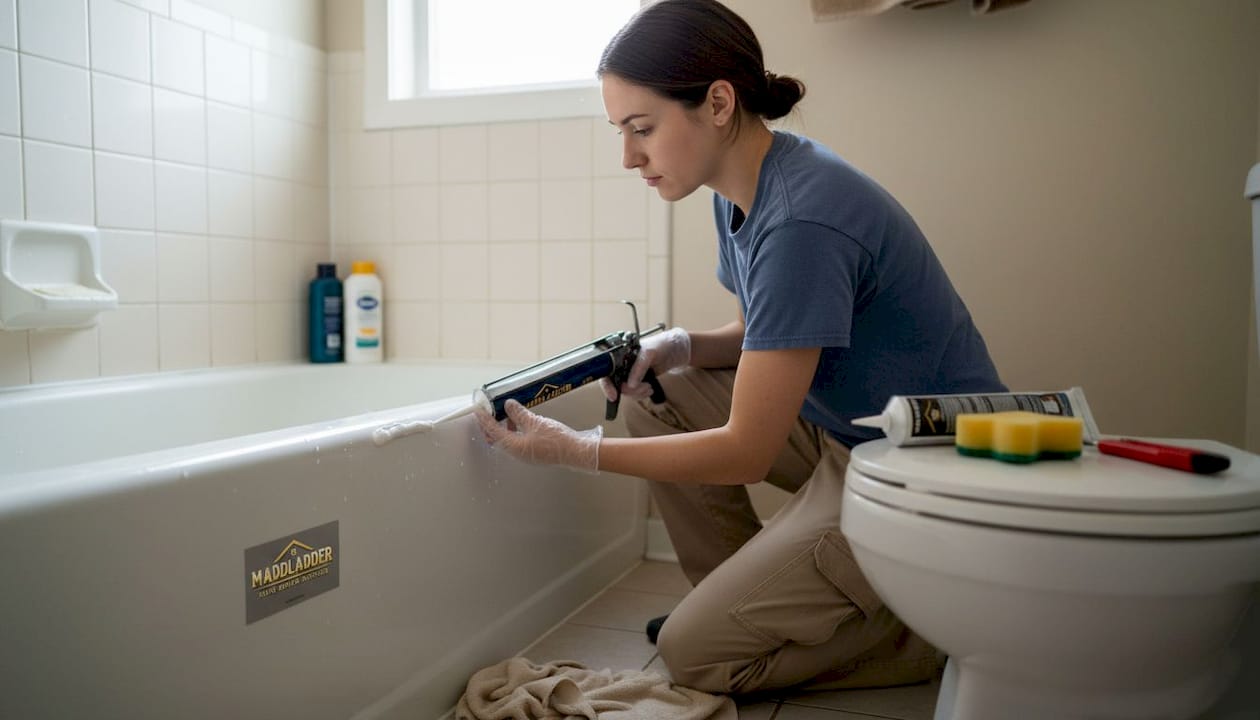
Acrylic latex caulk is the easiest to work with. It cleans up with water, accepts paint, and works well on interior trim and baseboards. It's less durable in wet or exterior conditions, so don't use it around a tub.
Polyurethane caulk is the workhorse for exterior applications. It bonds aggressively, handles movement well, and resists UV degradation. It's harder to apply cleanly and requires mineral spirits for cleanup.
Hybrid caulks combine silicone's flexibility with acrylic's paintability. They're increasingly popular for Kansas City homes because they handle both interior and exterior applications without forcing you to choose.
For Kansas City specifically, exterior caulk must handle UV exposure and wide temperature swings. A product rated for at least 50°F of temperature range is a smart minimum. Pairing the right caulk with other home efficiency upgrades creates a compounding effect on energy savings.
Statistic: Homes with properly selected and applied exterior caulk can reduce heating and cooling costs by 10 to 20%, according to energy efficiency research.
Pro Tip: When shopping for caulk, check the label for "paintable," "mold-resistant," and the temperature application range. These three specs tell you most of what you need to know before buying.
How professional caulking is done: Step-by-step process
Watching a professional caulk a window or tub surround looks deceptively simple. The result is clean, smooth, and precise. What you don't see is the prep work that makes it last. Professional caulking follows a clear methodology: remove old caulk, clean, tape, cut nozzle, apply bead, tool, remove tape, and cure.
Here's how it breaks down:
- Remove old caulk completely. Use a caulk remover tool or utility knife to strip out the old material. Leaving remnants behind causes the new caulk to fail at adhesion.
- Clean and dry the joint. Any soap residue, mold, or moisture will prevent bonding. Pros use isopropyl alcohol for a final wipe.
- Apply painter's tape. Tape both sides of the joint for a clean, sharp line. This step separates professional results from messy DIY jobs.
- Cut the nozzle at a 45-degree angle. The opening size should match the gap width. A smaller opening gives you more control.
- Apply a steady bead using a caulk gun. Move at a consistent pace. Stopping and starting creates uneven beads that are hard to smooth.
- Tool the bead smooth. Use a caulk tool or a wet finger to press the caulk into the joint and create a concave profile. This improves adhesion and looks cleaner.
- Remove tape before the caulk sets. Pull tape at a 45-degree angle while the caulk is still wet for the cleanest edge.
- Allow 24 to 48 hours for curing. Don't expose the joint to water or stress during this window.
| Step | Common mistake | Pro fix |
|---|---|---|
| Removing old caulk | Leaving residue | Full strip plus alcohol wipe |
| Cutting nozzle | Too large an opening | Match opening to gap width |
| Tooling | Using dry finger | Wet finger or dedicated tool |
| Curing | Rushing water exposure | Wait full 24-48 hours |
For related prep work like surface repair before caulking, the Kansas City drywall repair checklist is a useful companion resource. You can also review a pro caulking guide for additional technique details.
Pro Tip: Baby wipes work surprisingly well for smoothing fresh caulk. They're slightly damp, non-abrasive, and won't leave lint behind like paper towels do.
Benefits, costs, and maintenance of caulking service
Caulking punches well above its weight in terms of return on investment. The benefits stack up fast when you consider what a failed seal actually costs.
Proper caulking can reduce heating and cooling costs by 10 to 20%, with average professional jobs costing $105 to $290 and material lifespan ranging from 3 to 20 years depending on product type and location. That means a $200 professional job can pay for itself within a single heating season in a drafty Kansas City home.
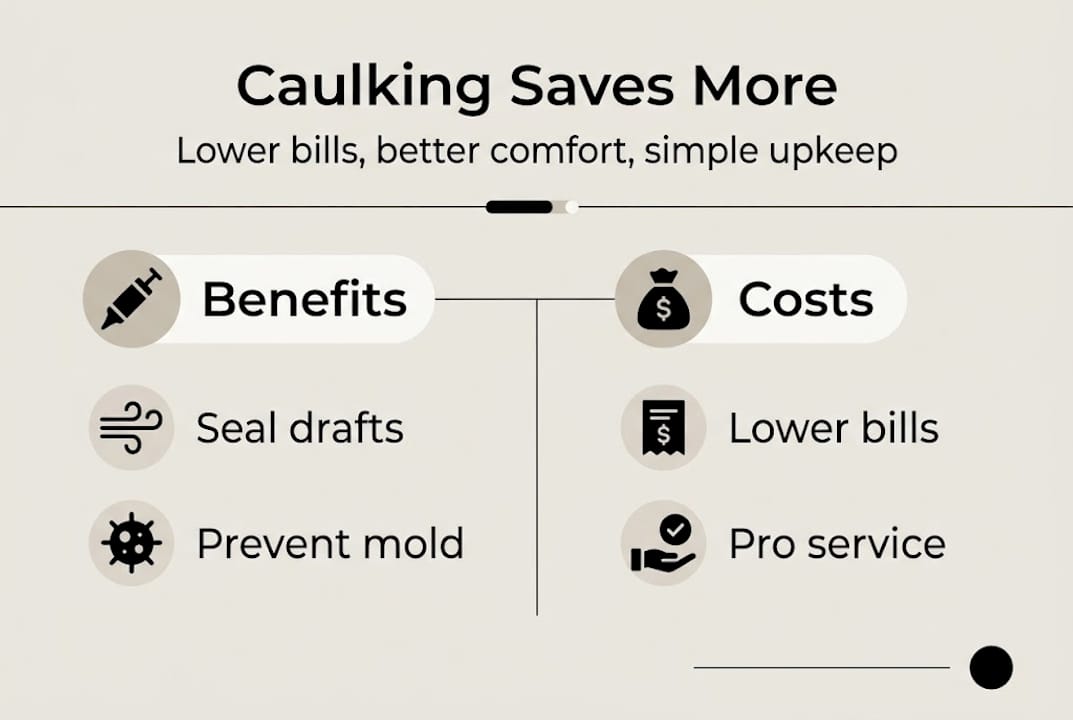
Caulking improves energy efficiency, prevents mold, deters pests, stops water damage, and enhances aesthetics, making it one of the most versatile maintenance tasks a homeowner can invest in.
Here's a quick summary of key benefits and maintenance considerations:
- Energy savings: Air sealing through caulking directly reduces HVAC load and monthly bills.
- Moisture protection: Sealed joints prevent water intrusion that leads to rot, mold, and structural damage.
- Pest prevention: Gaps around pipes and siding are common entry points for insects and rodents.
- Aesthetic improvement: Fresh caulk around tubs, windows, and trim makes a home look cleaner and better maintained.
- Resale value: Buyers and inspectors notice deteriorated caulk. Fresh seals signal a well-maintained property.
| Scenario | DIY cost | Pro cost | Risk level |
|---|---|---|---|
| Single window seal | $5-15 | $75-100 | Low |
| Full bathroom recaulk | $15-30 | $105-175 | Medium |
| Exterior perimeter seal | $30-60 | $200-290 | High |
For busy Kansas City homeowners, hiring a pro for exterior or bathroom work is often the smarter call. Explore licensed handyman options to understand what to look for when hiring.
Pro Tip: Schedule a caulking inspection every fall before temperatures drop. Catching a failed seal in October costs far less than repairing water-damaged framing in February.
For product recommendations that hold up in Kansas City's climate, home weatherization caulking resources offer useful comparisons.
Our take: Why great caulking delivers more than just sealed gaps
Most people think of caulking as a finishing touch, something you do after the real work is done. We'd push back on that. In Kansas City, where temperatures can swing 60 degrees in a single week, caulking is structural maintenance, not cosmetic.
We've seen homeowners spend $15 on a tube of acrylic latex, apply it over a wet surface in November, and wonder why it's peeling by spring. The caulk didn't fail. The process did. And the consequence wasn't just an ugly line around a tub. It was mold behind the tile, a weakened subfloor, and a repair bill that started at $800.
The real value of professional caulking isn't just the sealed gap. It's the knowledge of which product survives Kansas City winters, which surfaces need primer first, and where the hidden failure points are in a typical home. These value-boosting repairs compound over time. Annual inspection and pro-grade tooling protect both energy efficiency and property value in ways that a weekend DIY project simply can't replicate. Caulking impacts drafts, aesthetics, pest prevention, and resale appeal all at once. That's a lot of return for a relatively small investment.
Find caulking pros in Kansas City with MaddLadder
If this guide has made one thing clear, it's that professional caulking is worth doing right the first time. Skipping steps or using the wrong product creates problems that cost far more to fix later.

MaddLadder connects Kansas City homeowners and property managers with reliable, licensed handymen who handle caulking and a full range of home repairs. Browse Kansas City caulking services to see everything we cover, from bathroom reseals to full exterior perimeter work. Check service pricing for transparent, upfront rates with no surprises. When you're ready to protect your home before the next season hits, book a pro and get a free estimate today. We serve the entire Kansas City metro area and respond fast.
Frequently asked questions
How often should I re-caulk my bathroom or windows?
Bathrooms should be re-caulked annually for best results; windows and exterior joints typically last 3 to 10 years depending on the caulk material and Kansas City's climate demands.
What are signs I need caulking service?
Look for visible gaps, drafty rooms, unexplained mold, rising energy bills, or water stains near joints, all of which signal that caulk is failing and moisture or air is getting through.
Can I do caulking myself or should I hire a pro?
DIY works for small, accessible jobs; hire a professional for large areas, hard-to-reach spots, or anywhere a failed seal could cause serious water or structural damage.
How much does caulking service cost in Kansas City?
Most professional jobs range from $105 to $290, with a national average around $200, varying based on the size of the area and the materials required.