
TL;DR:
- Simple repairs like fixing toilets, patching drywall, and replacing weatherstripping can save homeowners hundreds to thousands of dollars. Prioritizing maintenance over cosmetic upgrades prevents costly future damage and boosts home value effectively. Small upgrades such as painting and hardware updates offer high returns and improve home appearance with minimal investment.
Budget-friendly property fixes are affordable repairs and upgrades that maintain or increase your home's value without requiring major investment. Industry guidance recommends setting aside 1–2% of your home's value each year for maintenance. That means a $250,000 home needs roughly $2,500–$5,000 annually to stay in good shape. The good news: a large portion of that budget goes further when you know which fixes deliver real results and which ones drain your wallet.
1. Fix a running toilet yourself and save hundreds
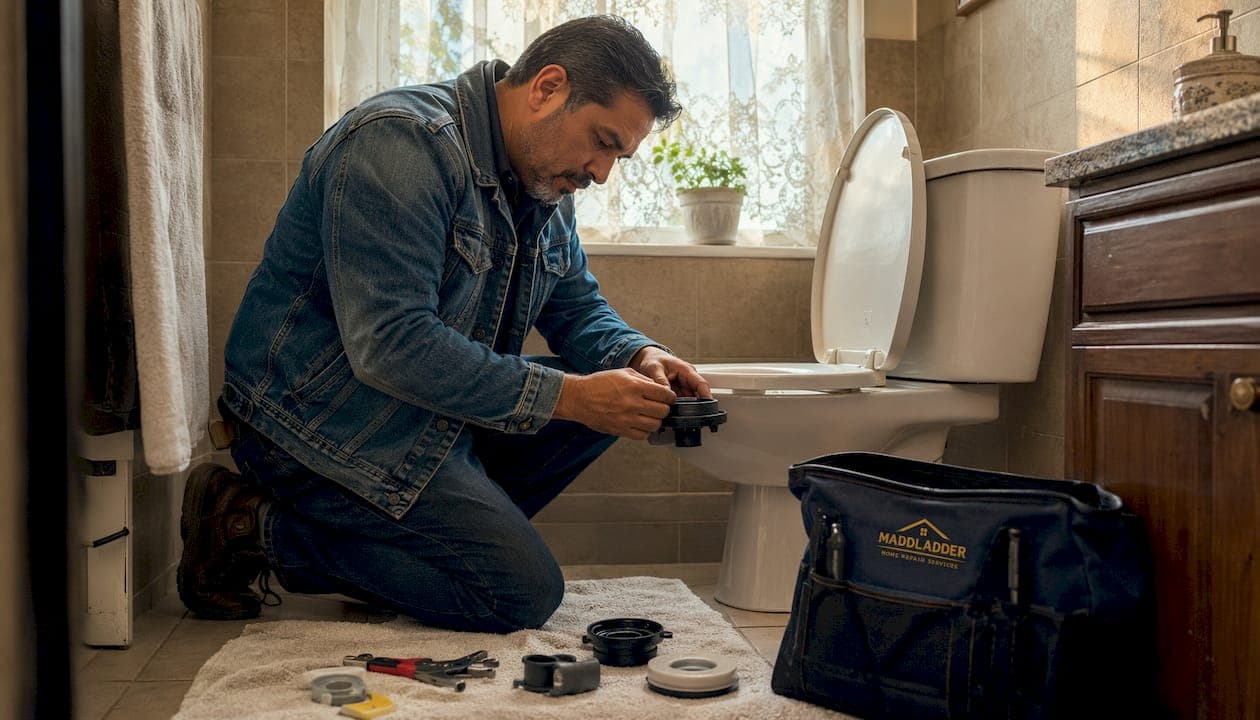
A running toilet is one of the most common and most ignored household problems. Left alone, it wastes thousands of gallons of water per month and inflates your utility bill. A universal toilet flapper costs $6–$12 at any hardware store, while a professional repair runs $150–$391. That gap represents real money you keep in your pocket.
Replacing a flapper takes about 10 minutes and requires no tools. Turn off the water supply valve behind the toilet, flush to drain the tank, swap the old flapper for the new one, and turn the water back on. This is one of the easiest plumbing fixes any homeowner can handle on a Saturday morning.
2. Patch drywall holes before they become bigger problems
Small holes in drywall are cosmetic issues that turn structural if water gets in. A basic drywall patch kit costs under $15 at any home improvement store. Professional drywall repair typically starts at $75 and climbs fast depending on hole size and location.
The step-by-step patching process involves cleaning the hole edges, applying the patch, spreading joint compound, sanding smooth, and painting to match. Most homeowners finish a small patch in under an hour. Getting comfortable with this repair builds confidence for tackling other inexpensive home renovations.
3. Replace weatherstripping to cut energy costs
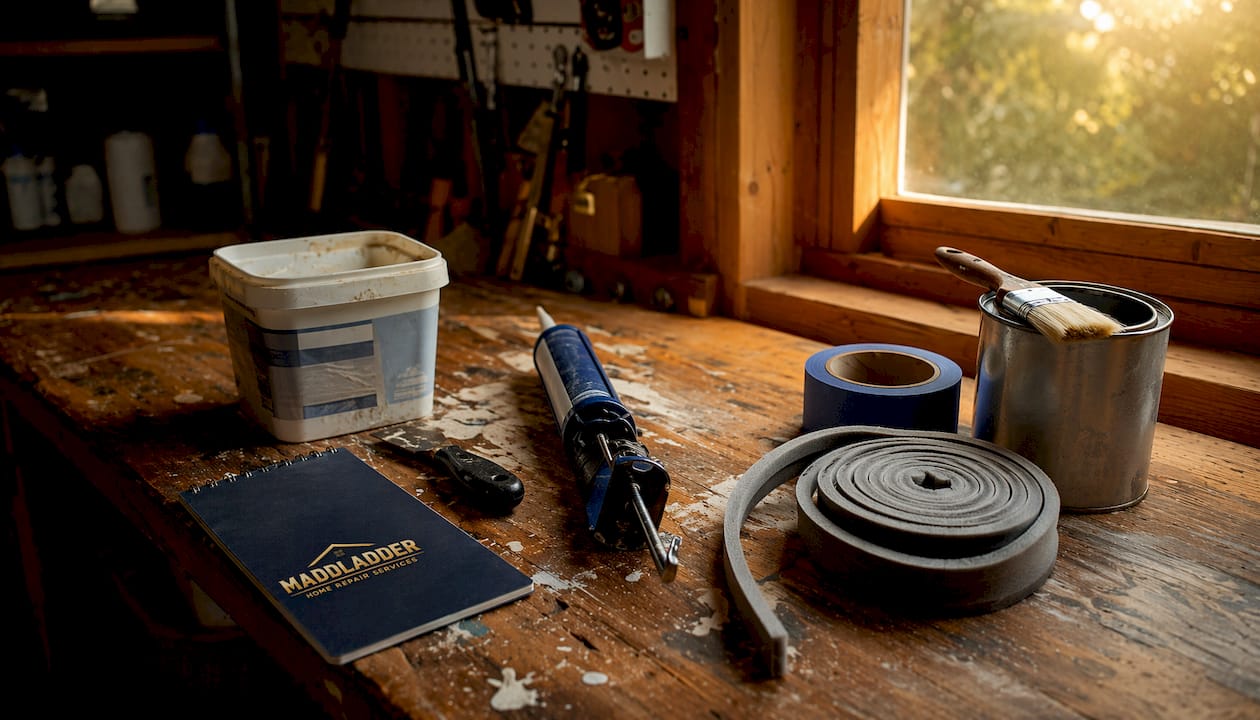
Drafty doors and windows are silent budget killers. Self-stick foam weatherstripping costs $7–$15 per roll and takes less than 30 minutes to install around a standard door frame. Professional installation runs $130 or more per door. Beyond the installation savings, replacing worn weatherstripping can save $110 or more annually on energy bills.
This fix also improves comfort immediately. Rooms that felt drafty in winter or stuffy in summer stabilize faster once air leaks are sealed. For renters, this is a reversible upgrade that leaves no permanent marks and often gets landlord approval without issue.
4. Paint walls for the highest cosmetic ROI
Interior painting delivers approximately 107% return on investment, making it the single most cost-effective cosmetic upgrade available. A complete house paint job costs $3,000–$5,000 when hired out, but painting one or two rooms yourself costs a fraction of that. Fresh paint covers scuffs, brightens dark spaces, and makes a home feel newer without touching a single fixture.
Color choice matters more than most homeowners realize. Neutral tones like warm white, greige, and soft gray photograph well and appeal to the widest range of buyers. For renters, stick to colors your lease allows or choose removable wallpaper as a reversible alternative.
Pro Tip: Paint cabinets instead of replacing them. Properly painted cabinets extend their useful life significantly and avoid the cost of premature replacement, which can run thousands of dollars.
5. Update kitchen and bathroom hardware for instant impact
Cabinet pulls, drawer handles, and faucet fixtures are the jewelry of a kitchen or bathroom. Swapping outdated brass hardware for brushed nickel or matte black costs $2–$8 per piece and takes a screwdriver. The visual difference is immediate and disproportionate to the cost.
Minor kitchen and bathroom refreshes return 85–96% of costs at resale, far outperforming major gut renovations that return closer to 40%. That data makes a strong case for refreshing rather than replacing. Swap the hardware, paint the cabinets, and add a new faucet before you ever consider a full remodel. For more ideas on what moves the needle, the interior upgrades that boost value guide covers the most effective options for 2026.
6. Upgrade lighting to modernize any room
Lighting is the most underrated low-cost property enhancement available. Standardizing bulb color temperature to 3000K–4000K throughout your home creates a clean, modern feel that makes spaces look larger and better maintained. Mismatched bulbs with different color temperatures make even a freshly painted room look unfinished.
Replacing a dated ceiling fixture costs $30–$80 for the fixture itself. The swap takes about 20 minutes with a basic understanding of electrical connections. For renters or anyone wanting a no-commitment upgrade, plug-in pendant lights and smart bulbs like Philips Hue offer the same visual effect without any wiring. A room-by-room lighting guide can help you prioritize which spaces benefit most from this kind of update.
7. Tackle exterior fixes that buyers notice first
Buyers form an impression of a home within the first 7 seconds of seeing it from the street. That makes curb appeal one of the highest-leverage areas for cost-effective property upgrades. Garage door replacement delivers a remarkable 194% ROI, and entry door replacement returns 82%. These are not small numbers.
"Exterior projects consistently deliver the best return on investment because they affect the first impression every visitor, buyer, and neighbor forms about your property. A clean, well-maintained exterior signals that the interior is equally cared for."
Budget-friendly exterior maintenance tasks include:
- Pressure washing the driveway, siding, and walkways ($30–$50 for a day rental)
- Repainting or restaining the front door ($20–$40 in materials)
- Adding fresh mulch to flower beds ($3–$5 per bag)
- Replacing a rusted mailbox or house numbers ($15–$30)
- Trimming overgrown shrubs and edging the lawn
None of these tasks require professional help. Together, they transform how a property reads from the street.
8. Bundle small repairs to get more from every service visit
Service providers charge minimum trip fees regardless of how much work they do. Calling a handyman for one leaky faucet and paying a trip charge wastes money. Bundling multiple small repairs into a single visit spreads that fixed cost across more work and lowers the effective hourly rate you pay.
Keep a running list of small repairs as they come up: a sticking door, a loose towel bar, a cracked outlet cover, a squeaky hinge. When the list reaches five or six items, schedule one visit. This approach is especially useful for renters who need landlord-approved repairs done professionally.
Pro Tip: Maddladder offers one-time handyman services starting at $75/hour in the Kansas City metro area. Grouping your repairs into one visit keeps costs predictable and eliminates multiple trip charges.
9. Use government programs for bigger repairs you cannot afford upfront
Major repairs like roof replacement, HVAC work, or structural fixes can cost tens of thousands of dollars. HUD's Title 1 property improvement loans and the 203(k) rehabilitation mortgage insurance program provide financing options for homeowners who qualify based on income, age, or residency. These programs exist specifically to help people maintain safe, livable homes without going into high-interest debt.
Income-qualified homeowners may also find local and state grant programs through their county housing authority. These grants do not require repayment. Searching "home repair assistance" plus your city or county name is the fastest way to find what is available in your area.
- Check HUD's website for Title 1 loan eligibility requirements.
- Contact your local housing authority for state and county grant programs.
- Ask your lender about 203(k) financing if you are buying a fixer-upper.
- Verify income and residency requirements before applying.
Pro Tip: Avoid over-improving relative to your neighborhood. Spending $50,000 on a kitchen remodel in a neighborhood where homes sell for $180,000 rarely returns that investment at resale.
10. Prioritize maintenance over upgrades every time
The "Maintenance First, Upgrade Second" approach is the most financially sound strategy for any homeowner or renter. Caulking, weatherstripping, and minor plumbing fixes prevent water damage, mold, and structural decay that cost far more to repair than to prevent. A $5 tube of caulk around a bathtub can prevent $3,000 in subfloor repairs.
Ignoring structural health while focusing on cosmetics is one of the most common and costly homeowner mistakes. A freshly painted room with a slow leak behind the wall is a problem waiting to get expensive. Fix the leak first, then paint. For a clear framework on when to DIY vs. hire a pro, the decision comes down to safety risk, permit requirements, and skill level.
Key Takeaways
The most effective budget-friendly property fixes combine preventive maintenance, high-ROI cosmetic updates, and smart use of professional services to protect and grow your home's value.
| Point | Details |
|---|---|
| DIY saves the most on simple repairs | Toilet flappers, drywall patches, and weatherstripping cost under $15 and save $100–$300 per repair. |
| Minor refreshes beat major remodels | Kitchen and bathroom updates return 85–96% of costs versus roughly 40% for full gut renovations. |
| Exterior fixes deliver outsized ROI | Garage door replacement returns 194%; curb appeal shapes buyer perception within 7 seconds. |
| Bundle repairs to reduce trip costs | Grouping five or six small fixes into one handyman visit lowers the effective cost per repair. |
| Maintenance prevents expensive damage | Fixing caulk, weatherstripping, and minor leaks now avoids structural repairs that cost far more later. |
What I've learned about cheap fixes that actually work
After years of watching homeowners pour money into renovations that barely moved the needle, the pattern is clear. The fixes that deliver real value are almost always the unglamorous ones. Nobody gets excited about replacing a toilet flapper or recaulking a tub. But those repairs prevent the $4,000 water damage claim that ruins a floor and a ceiling below it.
The cosmetic upgrades that work are the ones that cost under $500 and take a weekend. Fresh paint, new hardware, updated light fixtures. These changes photograph well, impress guests, and signal to buyers that a home has been cared for. The ones that fail are the $30,000 kitchen remodels in homes that will sell for $220,000. The math never works out.
My honest advice: start with the repairs that scare you least. Fix the running toilet. Patch the wall. Replace the weatherstripping. Each small win builds the confidence to tackle the next one. And when something is genuinely beyond your skill level, whether it involves electrical panels, load-bearing walls, or gas lines, call a licensed professional without hesitation. The cost of a professional repair is always less than the cost of a botched DIY job that creates a bigger problem.
The balance between aesthetics and structural health is not complicated. Fix what is broken first. Then make it look good.
— Jennifer
Maddladder makes home repairs straightforward in Kansas City
Knowing what to fix is half the battle. Getting it done efficiently is the other half.

Maddladder serves homeowners, renters, and landlords across the Kansas City metro area with repair and replacement services that cover everything from drywall and plumbing to fixture upgrades and smart home installs. One-time services start at $75/hour, and subscription maintenance plans are available for homeowners who want regular upkeep without the hassle of scheduling from scratch each time. Free estimates make it easy to plan your budget before committing. If your repair list is growing, view all Maddladder services to find the right fit for your home and your budget.
FAQ
What are the cheapest home repairs I can do myself?
Replacing a toilet flapper ($6–$12), patching small drywall holes ($15), and installing weatherstripping ($7–$15) are the most affordable DIY repairs with the highest savings compared to professional costs.
How much should I budget for home maintenance each year?
Industry guidance recommends budgeting 1–2% of your home's value annually for maintenance and repairs. A $250,000 home needs roughly $2,500–$5,000 per year to stay in good condition.
Which home improvements have the best return on investment?
Garage door replacement (194% ROI), interior painting (107% ROI), and minor kitchen refreshes (96% ROI) consistently deliver the strongest returns according to cost-vs-value analysis.
Are there government programs that help pay for major home repairs?
Yes. HUD's Title 1 property improvement loans and the 203(k) rehabilitation mortgage insurance program offer financing for qualifying homeowners. Local and state grant programs may also be available through your county housing authority.
What is the biggest mistake homeowners make with home improvements?
Prioritizing cosmetic upgrades over structural maintenance is the most common and costly mistake. Fixing leaks, caulking, and weatherstripping before painting or remodeling prevents far more expensive damage down the line.