
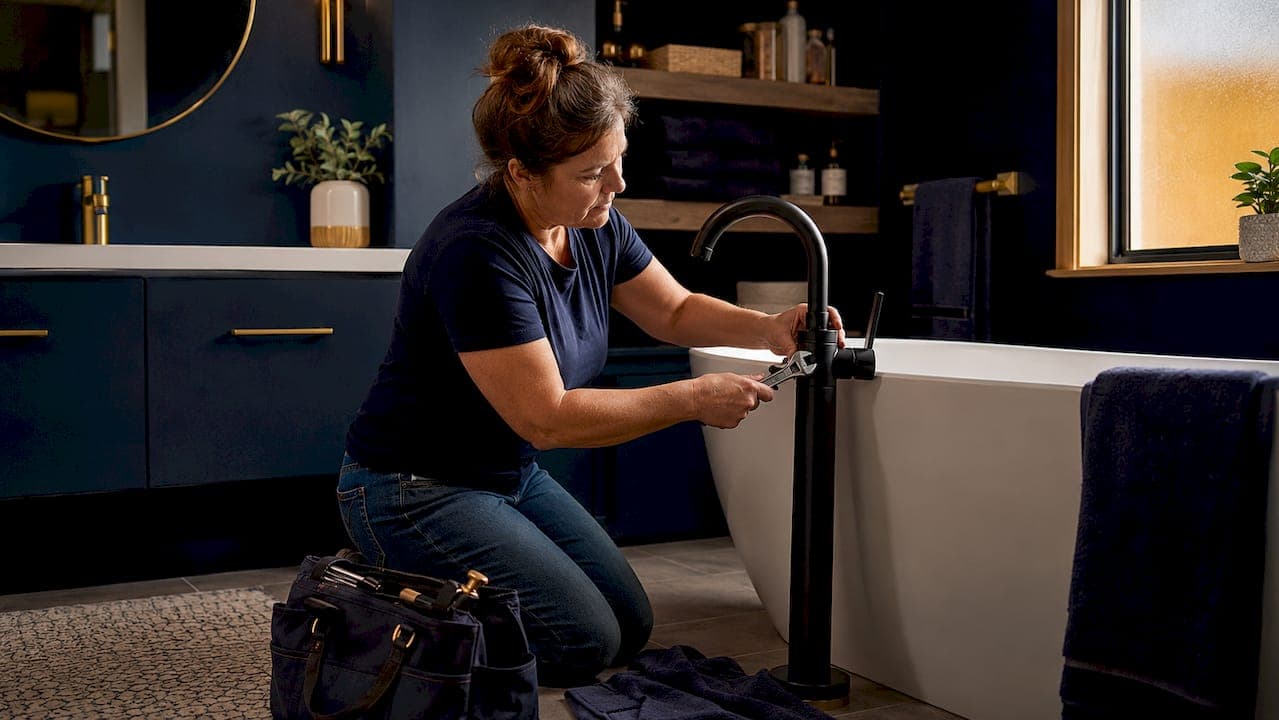
TL;DR:
- A bathroom fixture update involves replacing visible elements like faucets and lighting without major construction or plumbing moves. It costs between $500 and $5,000 and usually takes one to four weeks to complete, providing a noticeable refresh with minimal disruption. Such updates rarely require permits unless plumbing or electrical lines are moved, making them a cost-effective alternative to full remodeling.
A bathroom fixture update is the process of replacing or upgrading visible bathroom elements, such as faucets, showerheads, lighting, and cabinet hardware, within the existing layout to refresh design and function without major construction. Typical costs range from $500 to $5,000 and projects take 1 to 4 weeks to complete. That puts a fixture update well within reach for most homeowners and property managers who want a noticeably better bathroom without the disruption of a full remodel. No walls come down, no plumbing moves, and in most cases, no permits are required.
What is a bathroom fixture update, exactly?
A bathroom fixture update is a cosmetic refresh. You replace or upgrade the parts of the bathroom that people see and touch every day, without changing the room's layout, plumbing lines, or structural elements. The industry term for this scope of work is a "fixture refresh" or "cosmetic update," and it sits clearly below a renovation or remodel in both cost and complexity.
The key boundary is plumbing movement. Most fixture updates do not require permits unless you move plumbing, even by as little as one foot. That single foot of pipe relocation reclassifies the project as a renovation and triggers permit requirements in most municipalities. Replacing a faucet on the existing supply lines, swapping a showerhead, or changing out a vanity light on an existing circuit stays firmly in update territory.
This distinction matters for budgeting. A full remodel involving plumbing or wall relocations typically costs $20,000 to $60,000 or more. A fixture update delivers visible improvement for a fraction of that investment, which is why 64% of designers say homeowners now prefer smaller, high-impact refreshes over large-scale renovations.
What types of bathroom fixtures are typically updated?
The most commonly updated fixtures fall into five categories: faucets, showerheads, lighting, cabinet hardware, and toilet levers. Each one contributes to the overall look and feel of the space, and updating even two or three of them together creates a noticeably different bathroom.
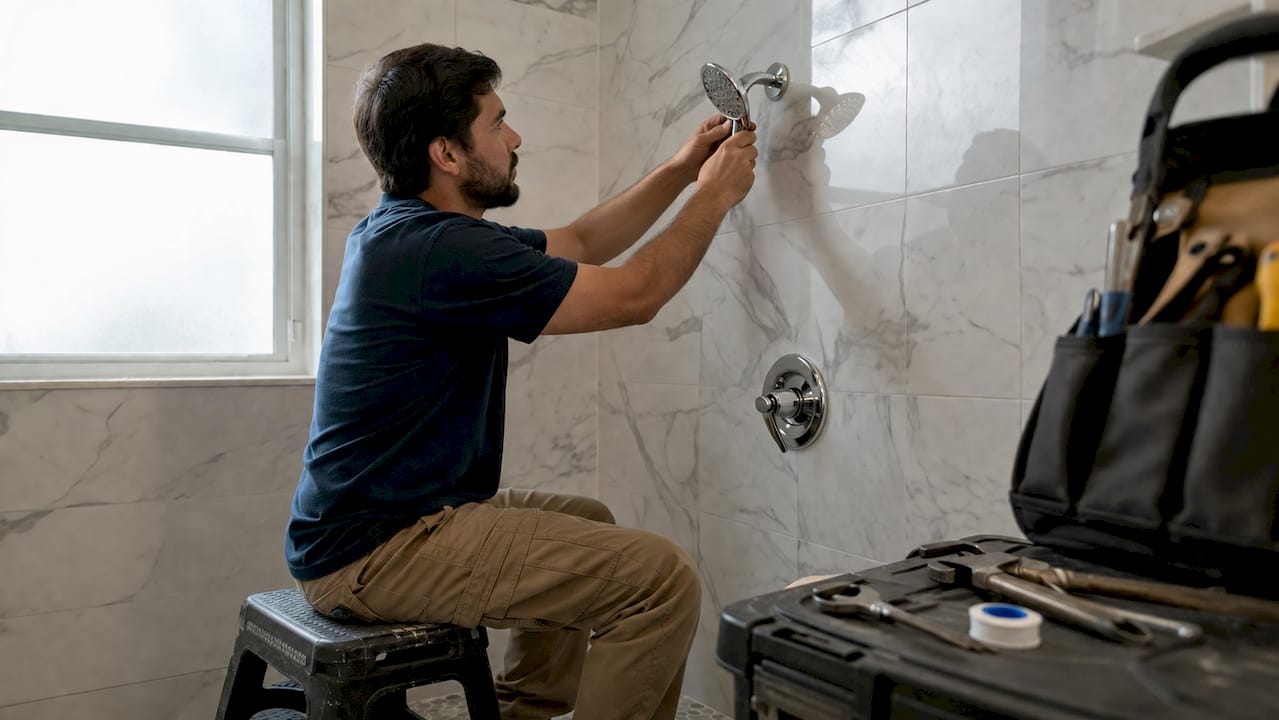
Faucets and showerheads deliver both visual and functional upgrades. Modern dual-function showerheads, for example, switch between rainfall and massage spray modes without any plumbing changes. Water-efficient models certified under the EPA's WaterSense program use at least 20% less water than standard fixtures, which matters for property managers watching utility costs across multiple units.
Lighting is the most undervalued fixture category. Switch-color LED bulbs that toggle between daylight (6000K) and warm light (3000K) can shift a bathroom from a bright, functional space in the morning to a relaxed, spa-like environment in the evening. This upgrade costs under $50 per fixture and requires no electrical work beyond swapping the bulb.
Cabinet hardware and toilet levers are the smallest updates with the biggest visual return per dollar spent. Replacing a dated brass lever with a matte black or brushed nickel version takes under 10 minutes and costs $15–$40 per piece. Coordinating finishes uniformly across faucets, towel bars, and cabinet pulls creates a polished, professional look that reads as a full redesign to most visitors.
- Faucets: replace for style, water efficiency, or both
- Showerheads: upgrade to dual-function or low-flow models
- Lighting: switch to LED with color temperature options
- Cabinet hardware: swap for finish consistency across the room
- Toilet levers and seats: small cost, immediate visual lift
Pro Tip: Pick one metal finish and apply it to every fixture in the room. Mixing brushed nickel faucets with chrome towel bars and brass hardware creates visual noise that no single upgrade can fix.
For more ideas on what a finish change can do, the decorative glass finishes guide from Surface Tint shows how design consistency in finishes applies across materials, not just metal.
How does a bathroom fixture update differ from a renovation or remodel?
These three terms get used interchangeably, but they describe very different scopes of work. Understanding the difference protects your budget and keeps you on the right side of local building codes.
| Category | Fixture update | Renovation | Full remodel |
|---|---|---|---|
| Typical cost | $500–$5,000 | $5,000–$20,000 | $20,000–$60,000+ |
| Permit required | Rarely | Sometimes | Almost always |
| Timeline | 1–4 weeks | 4–12 weeks | 3–6 months |
| Plumbing changes | None | Minor | Major |
| Structural changes | None | Possible | Common |
A fixture update replaces what is already there. A renovation may resurface tile, replace a vanity cabinet, or update flooring while keeping the layout intact. A full remodel moves walls, relocates plumbing, and often requires architectural drawings and inspections.
The permit trigger is the most practical line to understand. Replacing a vanity light on an existing circuit requires no permit in most jurisdictions. Moving that light to a new location on the wall requires an electrical permit. The same logic applies to plumbing: replace the faucet in place, no permit; move the sink six inches, permit required. Knowing this boundary helps homeowners and property managers plan projects without unexpected stops.
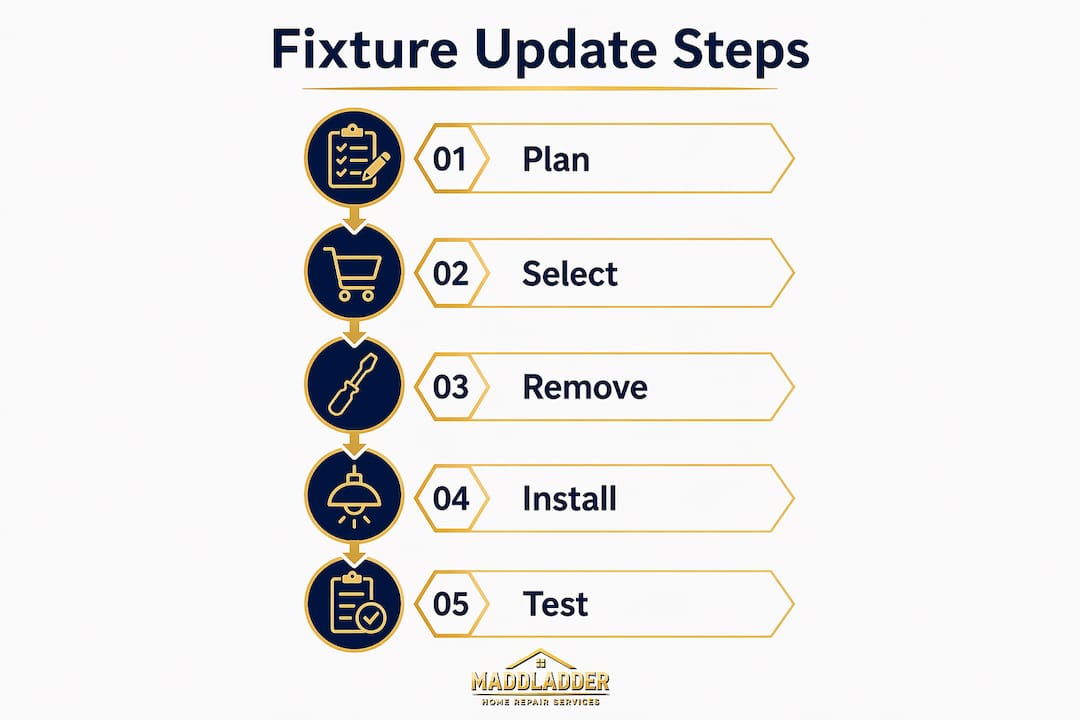
What are the practical steps for updating bathroom fixtures?
Successful fixture updates follow a clear sequence. Skipping steps, especially early ones, causes the problems that turn a one-day project into a week-long headache.
- Test your shutoff valves first. Testing existing shutoff valves before any fixture replacement is critical. Valves that have not moved in years can fail when turned, causing flooding. If a valve does not close fully, replace it before touching the fixture above it.
- Confirm fixture fit before purchasing. Measure the existing rough-in dimensions, hole spacing on the sink deck, and mounting bracket size. A faucet that does not fit the existing holes requires sink replacement, which changes the project scope entirely.
- Order all materials before starting work. Custom vanities take 6–8 weeks to arrive, and custom tile can take 8–12 weeks. Starting demolition before materials arrive leaves the bathroom out of service for weeks. Order everything, confirm delivery, then begin.
- Dry-fit all components before applying sealant. Dry-fitting vanity components before sealants confirms alignment and prevents leaks caused by misaligned connections. This step takes five minutes and saves hours of rework.
- Hand-tighten first, then snug with a wrench. Overtightening mounting nuts on faucets can crack sinks. One firm quarter-turn past hand-tight is enough. More than that risks cracking the sink basin or stripping the threads.
- Standardize your finish before buying anything. Decide on matte black, brushed nickel, or polished chrome, then purchase every fixture in that finish. Returning one piece because it does not match adds days to the project.
Pro Tip: For lighting, install a dimmer switch at the same time you swap the fixture. A $20 dimmer paired with a switch-color LED bulb gives you full control over the bathroom's mood without any additional electrical work beyond the switch box.
The step-by-step fixture replacement guide on the Maddladder blog walks through each installation phase in detail, including how to handle older shutoff valves and supply lines.
What are the benefits of fixture updates for homeowners and property managers?
Fixture updates deliver a strong return relative to their cost. The benefits fall into four clear categories: cost savings, speed, functionality, and property appeal.
- Cost savings: A fixture update costs a fraction of a full remodel. Homeowners who update fixtures instead of remodeling save tens of thousands of dollars while still achieving a noticeably refreshed space.
- Speed: Most updates complete in 1–4 weeks. A full remodel can take 3–6 months. For rental property managers, shorter downtime means less lost rental income.
- Water and energy efficiency: WaterSense-certified faucets and showerheads reduce water consumption without sacrificing pressure. LED lighting upgrades cut energy use compared to older incandescent or halogen fixtures.
- Market appeal: Updated fixtures signal to buyers and renters that a property is well maintained. Fresh hardware, coordinated finishes, and modern lighting make a bathroom photograph better and show better during walkthroughs.
The trend supports this approach. According to the 2026 Bath Trends Report, 64% of designers report that homeowners prefer smaller, high-impact refreshes over large-scale renovations. That preference reflects both budget reality and a growing recognition that targeted updates deliver most of the visual benefit at a small fraction of the cost.
Replacing fixtures regularly also reduces safety risks. Aging faucet valves, corroded supply lines, and failing shutoff valves are common sources of water damage in older homes. Updating fixtures proactively catches these issues before they become expensive emergencies.
For homeowners curious about what specific upgrades do for resale value, decorative window film ideas from Surface Tint show how low-cost aesthetic additions, including bathroom privacy glass, complement fixture updates as part of a broader refresh.
Key Takeaways
A bathroom fixture update is the most cost-effective way to modernize a bathroom's look and function without permits, structural changes, or the expense of a full remodel.
| Point | Details |
|---|---|
| Definition and scope | A fixture update replaces visible elements within the existing layout, with no plumbing or structural changes. |
| Cost and timeline | Expect $500–$5,000 and 1–4 weeks, compared to $20,000–$60,000+ for a full remodel. |
| Permit threshold | Permits are rarely required unless plumbing or electrical circuits are moved from their current location. |
| Finish consistency | Matching all metal finishes across faucets, hardware, and lighting creates the strongest visual result. |
| Planning first | Test shutoff valves and order all materials before starting work to avoid delays and flooding risk. |
Why I always recommend fixture updates before anything bigger
Most homeowners I talk to assume that a bathroom that feels dated needs a full remodel. That assumption costs them money they do not need to spend. In almost every case, the bathroom feels old because of three things: the faucet finish, the lighting color, and the cabinet hardware. Fix those three, and the room looks like a different space.
Lighting is the one that surprises people most. A bathroom with a single warm-white fixture above the mirror looks dim and dated regardless of how new the tile is. Swap that fixture for one with a daylight-capable LED and the whole room reads as cleaner and more modern. That upgrade costs under $100 and takes an afternoon.
The plumbing planning piece is where I see the most avoidable mistakes. Proper plumbing evaluation considers shutoff access, pipe condition, drain slope, and fixture placement. Skipping that evaluation on even a simple faucet swap has turned one-hour jobs into emergency calls. Test the valves. Check the supply lines. Then replace the fixture.
My honest recommendation: do the fixture update first. Live with the result for six months. You may find the bathroom feels completely different and the remodel you thought you needed is no longer necessary.
— Jennifer
Maddladder handles bathroom fixture updates in the Kansas City area
Updating bathroom fixtures is straightforward when you know what you are doing. When you are not sure about shutoff valve condition, fixture compatibility, or finish coordination, having a licensed professional handle the work saves time and prevents costly mistakes.

Maddladder provides repair and replacement services across the Kansas City metro area, including faucet swaps, showerhead upgrades, vanity light replacements, and cabinet hardware installs. The team also handles the plumbing checks that most DIY guides skip. Free estimates are available, and services start at $75/hour with no long-term commitment required. Contact Maddladder to get your bathroom updated without the guesswork or the weekend lost to a project that ran longer than expected.
FAQ
What is included in a bathroom fixture update?
A bathroom fixture update includes replacing or upgrading faucets, showerheads, lighting, cabinet hardware, and toilet levers within the existing layout. No plumbing lines are moved and no structural changes are made.
Do I need a permit to update bathroom fixtures?
Permits are rarely required for fixture updates. A permit becomes necessary when plumbing or electrical circuits are relocated, even by a small distance.
How much does a bathroom fixture update cost?
Typical costs range from $500 to $5,000 depending on the number of fixtures replaced and the quality of materials selected. That is significantly less than the $20,000 to $60,000+ cost of a full bathroom remodel.
Can a fixture update increase my home's value?
Updated fixtures improve a bathroom's appearance and signal good maintenance to buyers and renters. Coordinated finishes and modern lighting make a strong impression during showings and in listing photos.
What is the most common mistake in a DIY fixture update?
Failing to test shutoff valves before starting work is the most common and most costly mistake. Valves that have not been turned in years can fail and cause flooding, turning a simple swap into an emergency repair.